

Searching for a replacement engine can quickly become overwhelming. You might find several engines with similar specifications, different prices, and descriptions that make each option sound like the perfect fit. But how do you know which engine will actually work with your vehicle?
The answer goes beyond horsepower, displacement, or the price displayed on a product page.
You need to identify your existing engine, verify the replacement’s specifications, understand which components are included, and determine whether the engine is compatible with your transmission and vehicle systems. Otherwise, an engine that initially looks like a great deal could require additional parts, modifications, or installation work you didn’t anticipate.
If you’re looking for new car engines available now for sale, this guide will help you approach the purchase with greater confidence. You’ll learn how to compare engine options, recognize important compatibility requirements, evaluate complete engine packages, and calculate the costs that matter before placing an order.
At Elite Crate Motors, the goal is to help buyers make informed decisions when researching engine and powertrain products. Whether you’re replacing a failed engine, restoring a vehicle, upgrading performance, or planning a custom build, understanding the product before purchasing is the first step toward a better-planned project.
What Types of New Car Engines Are Available for Sale?
Before comparing products, understand what you’re buying. Engine listings can describe different configurations, levels of completeness, and intended applications. These differences matter because two products marketed as engines may not contain the same components or serve the same purpose.
Complete Replacement Engines
A replacement engine is intended to take the place of an existing engine that has failed, suffered significant damage, or become uneconomical to repair.
For most replacement projects, the priority is finding an engine that matches the vehicle’s required configuration. That means checking more than the make and model. Engine codes, model-year variations, transmission arrangements, and electronic systems can affect compatibility.
For example, two versions of the same vehicle may have different engines or different supporting equipment. An engine that fits one configuration may require additional components or modifications to work in another.
When comparing new replacement car engines, confirm the exact engine model, applicable part numbers, condition, and intended application. If the vehicle has already been modified, identify the engine currently installed rather than relying exclusively on the vehicle’s original specifications.
Complete Engine Packages
A complete engine package may contain an assembled engine along with selected accessories or supporting components. Depending on the specific product, those components might include intake equipment, fuel-system parts, or electronic controls.
However, the word complete does not guarantee that every component required for installation is included.
One package might contain selected accessories, while another might consist primarily of the engine assembly. Neither description should be interpreted as a universal standard.
When comparing complete engine packages for sale, review the actual contents of each product. Confirm whether the ECU, wiring harness, accessory drive components, mounting hardware, and other items you require are included, optional, or sold separately.
This is one of the most important distinctions to establish before comparing prices.
Crate Engines for Performance and Custom Builds
Crate engines are another option for buyers undertaking restorations, performance projects, or custom builds.
The appropriate choice depends on the intended application, engine specifications, and supporting vehicle systems. A performance engine designed for a particular setup should not automatically be considered a direct replacement for every vehicle.
Before choosing among new crate engines for sale, examine the intended use, performance ratings, mounting requirements, transmission compatibility, and electronic requirements.
An engine’s advertised horsepower may be attractive, but it does not establish whether the engine fits your project or whether your existing drivetrain can support the intended configuration.
New, Remanufactured, Rebuilt, and Used Engines Are Different
Engine condition is another important purchasing consideration.
- New engines: Sold as new products, with their condition and specifications established by the applicable manufacturer or seller documentation.
- Remanufactured engines: Processed through a remanufacturing procedure that may include inspection, machining, and replacement of selected components.
- Rebuilt engines: Repaired or reassembled according to a particular process, which can vary between suppliers.
- Used engines: Previously operated engines whose history, condition, and suitability should be evaluated.
These categories should not be treated as interchangeable. If your requirement is a new engine, confirm that the specific product is new and obtain clarification if its condition is unclear.
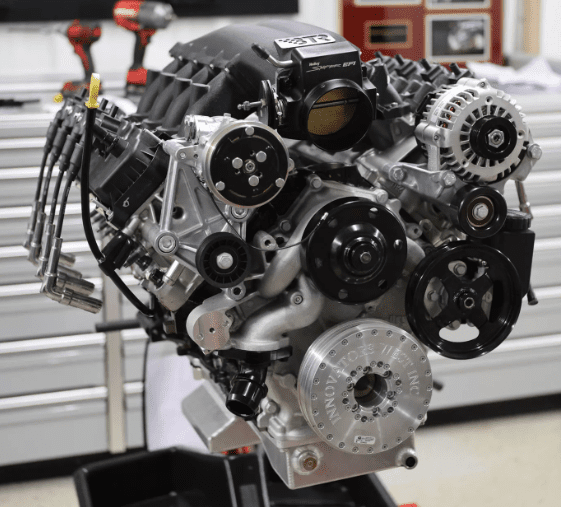
How to Find the Right Engine for Your Vehicle
The most effective engine search starts with identifying your vehicle and its current configuration. Browsing listings before gathering this information can lead to unnecessary comparisons and incorrect assumptions.
Identify the Vehicle’s Exact Configuration
Start with the following details:
- Year, make, and model
- Trim or vehicle configuration
- Vehicle identification number (VIN)
- Existing engine model or identification code
- Transmission type
- Drivetrain configuration
- Existing engine part number, where available
These details help narrow the range of engines worth considering.
A vehicle’s model name alone may not be enough because manufacturers can offer different engines, transmissions, and equipment packages within the same model range.
For vehicles that have already undergone an engine replacement or modification, record the current engine information separately. The original factory configuration may no longer describe what’s installed.
Before ordering a replacement engine, confirm your vehicle’s year, make, model, and engine identification details. Your VIN can help you identify important vehicle information, and the NHTSA VIN decoder is a useful starting point for checking available VIN details. You should still verify engine-specific fitment with the vehicle manufacturer or a qualified parts specialist before placing your order.
Use the VIN and Engine Identification Together
The VIN can help establish a vehicle’s original configuration. Manufacturer records, parts catalogs, and vehicle-specific service documentation can provide additional information.
However, the VIN is not a substitute for identifying the engine currently installed when the vehicle has been modified.
Suppose a vehicle originally came with one engine but was later converted to a different engine family. Searching exclusively by the original VIN may point you toward components that don’t match the existing setup.
For this reason, use the VIN as a starting point and verify the actual engine model or code wherever possible.
When researching how to find the right car engine, the objective is to establish the configuration you need—not simply find an engine associated with your vehicle’s model name.
Decide Whether You Need a Replacement or an Engine Swap
A replacement engine and a custom engine swap involve different considerations.
A replacement usually aims to restore the vehicle with an engine suitable for the existing configuration. A swap may involve a different engine family, revised mounting arrangements, transmission changes, or modifications to supporting systems.
Before shopping, establish which situation applies to your project.
If you’re replacing an engine with an appropriate equivalent, focus on application compatibility, condition, package contents, and the requirements for completing the replacement.
If you’re planning a swap, evaluate physical fitment, transmission connections, fuel delivery, cooling, exhaust, electronics, and applicable road-use requirements.
This distinction helps you avoid treating a custom installation as though it were necessarily a direct replacement.
Verify the Exact Engine Model and Part Number
Once you identify a potential engine, compare its model designation and part number, where applicable, with the manufacturer’s documentation.
Look for differences in model year, engine family, equipment, and intended application.
If the listing doesn’t provide enough information to establish compatibility, request clarification before ordering.
A general statement such as “fits most vehicles” does not prove that an engine is suitable for your exact configuration.
The practical rule is simple: establish the engine’s identity before evaluating whether it’s the right purchase.
Which Engine Specifications Should You Compare Before Buying?
After identifying the vehicle and narrowing down compatible options, compare the technical specifications.
These details help you understand what an engine is designed to deliver and whether it matches your project’s requirements.
Engine Displacement and Configuration
Engine displacement describes the combined volume displaced by the pistons as they move through the cylinders. It is commonly expressed in liters or cubic inches.
Displacement can help distinguish between engine options, but it does not tell the whole story.
Engines with similar displacement can differ in cylinder configuration, induction system, power output, mounting arrangement, and electronic controls.
When comparing car engine specifications, check the complete engine designation and application information instead of selecting an engine based on displacement alone.
Horsepower and Torque
Horsepower and torque describe different aspects of engine output.
Torque measures rotational force, while horsepower measures the rate at which work is performed. Both matter when evaluating an engine’s performance characteristics and its demands on the drivetrain.
However, higher advertised horsepower does not automatically mean a better engine for your vehicle.
Consider the intended operating range, vehicle weight, transmission, drivetrain, and intended use. Also check whether the advertised rating applies to the exact engine configuration you’re considering.
For buyers comparing high-performance car engines for sale, the engine and supporting powertrain should be evaluated together. An upgrade may require additional attention to the transmission, cooling system, fuel delivery, and electronic calibration.
Fuel Type and Induction System
The engine’s fuel requirements must match the intended application.
Gasoline and diesel engines use different fuel systems and have different operating requirements. Naturally aspirated engines and forced-induction configurations can also have different supporting-system and calibration requirements.
If you’re considering a turbocharged or supercharged engine, verify which components are included and which must be sourced separately.
The objective is to understand the complete configuration rather than relying on a broad description of the engine’s performance.
Choose Specifications That Match Your Intended Use
Different projects have different priorities.
Daily driving: Focus on correct application, suitable drivability, serviceability, and compatibility with the vehicle’s systems.
Restoration: Establish whether you need the original engine configuration or an appropriate alternative for the project.
Street performance: Consider power delivery, drivetrain suitability, cooling, and the intended operating conditions.
Custom builds: Evaluate fitment, mounting, transmission compatibility, electronics, and potential fabrication requirements.
A good engine choice balances performance, compatibility, and cost. Paying for capabilities you don’t need while overlooking essential installation requirements can make the project more expensive without improving the outcome.
Engine Compatibility: What Must Match Before You Order?
Compatibility is one of the most important factors when purchasing an engine. An engine can have suitable performance specifications and still require substantial additional work to operate correctly in a particular vehicle.
Check Engine Mounts and Physical Fitment
Review the engine’s dimensions and mounting requirements against the vehicle’s available space.
Depending on the application, you may need to verify:
- Engine mounting points and brackets
- Engine bay dimensions
- Oil pan and chassis clearance
- Hood clearance
- Accessory placement
- Steering and exhaust clearance
This is particularly important for custom swaps.
An engine may physically fit inside an engine bay but still interfere with the steering system, oil pan, exhaust components, or other vehicle parts.
For a non-original engine configuration, establish whether the required mounts, brackets, adapters, or fabrication work are necessary before committing to the purchase.
Engine compatibility involves more than physical fitment. Depending on the vehicle, engine application, and location, emissions requirements may affect which replacement engines or engine swaps are permitted. Buyers should review the applicable EPA regulations for on-road vehicles and engines and confirm any additional state or local requirements before making a purchase.
Confirm Engine and Transmission Compatibility
The engine and transmission must work together as a compatible combination.
Depending on the setup, relevant considerations include the bellhousing pattern, engine-to-transmission interface, mounting arrangements, and any required adapters.
The transmission must also be appropriate for the intended application and engine output.
If you’re considering a different engine family, don’t assume your existing transmission will connect directly. Verify the interface and any additional requirements using the applicable manufacturer specifications or qualified technical guidance.
Evaluate Fuel, Cooling, Intake, and Exhaust Requirements
An engine relies on supporting systems that meet its requirements.
The fuel system must provide the appropriate delivery for the engine. The cooling system must be suitable for the application. Intake and exhaust components must match the configuration and fit the vehicle.
Depending on the project, additional work may involve fuel-delivery equipment, radiator and hose arrangements, oil pan configuration, exhaust manifolds, or accessory placement.
Some existing components may be reusable, but their compatibility should be confirmed rather than assumed.
If the vehicle will be driven on public roads, verify the applicable emissions requirements before planning engine modifications.
Verify ECU, Wiring Harness, and Electronic Controls
Modern engines may depend on electronic systems to operate correctly and communicate with other vehicle components.
Depending on the application, these may include an engine control unit, wiring harness, sensors, electronic throttle controls, and security systems.
A mechanically compatible engine may still require electronic integration, programming, or calibration.
When evaluating a complete engine package for sale, check whether the electronic components required for your application are included and whether they are suitable for the intended vehicle.
If additional parts or services are needed, identify them before ordering so you can plan the installation and budget accurately.
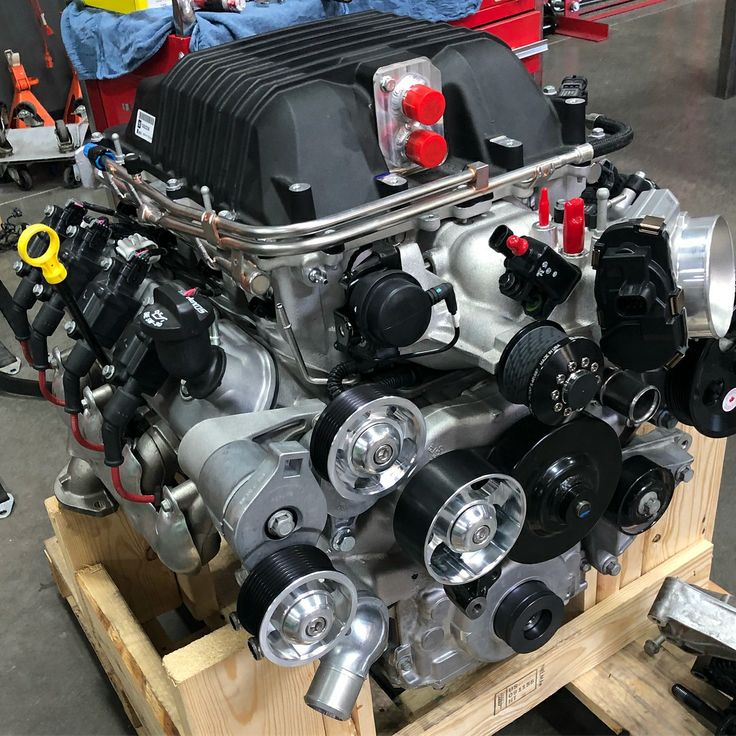
Complete Engine Package vs. Engine-Only Purchase: Which Is Better?
Neither option is automatically better for every buyer. The right choice depends on the components you already have, what your installation requires, and the total cost of completing the project.
What a Complete Engine Package May Include
Depending on the specific product, a complete engine package may contain an engine assembly along with selected accessories or supporting components.
These might include intake equipment, fuel-system components, ignition parts, or electronic equipment. However, the actual contents vary by product.
Before purchasing, create a list of the components required for your installation and compare it with the product description.
For example, if your installation requires a particular ECU and wiring harness, confirm whether those components are included. If they aren’t, determine what you need to source separately.
This is how to compare complete engine packages for sale without assuming that every package contains the same equipment.
When an Engine Assembly Alone May Be Suitable
An engine-only assembly may suit a project where compatible supporting components are already available or can be sourced separately.
Some components from the existing engine may be reusable, provided they’re compatible with the replacement and remain in suitable condition.
However, accessory placement, mounting arrangements, and electronic requirements can differ between engine configurations. Confirm these details before deciding that the existing components can be transferred.
Compare the Total Value, Not Just the Advertised Price
Two engine products with similar prices may have different specifications or package contents.
One may include components that another requires you to purchase separately. Installation requirements may also differ.
When comparing a complete engine assembly for sale, review:
- Exact engine model and specifications
- Product condition
- Included components
- Additional parts required
- Compatibility and installation requirements
- Shipping and freight costs
- Warranty terms
The goal is to identify the package that meets your requirements without paying for unnecessary components or overlooking parts essential to the installation.
How Much Do New Car Engines Cost?
Engine prices vary according to the model, specifications, condition, package contents, and intended application.
Because these factors differ between products, compare current listings and confirmed quotations rather than relying on a generic price estimate.
Understand What Influences Engine Prices
The main factors may include:
- Engine family and model
- Displacement and performance specifications
- New or remanufactured condition
- Included accessories and electronic components
- Availability and sourcing requirements
- Intended application
- Manufacturer documentation and support
When comparing new car engine prices, make sure you’re evaluating products with comparable specifications and included components.
A lower price may be attractive, but the comparison is incomplete if one package requires additional parts or services that the other includes.
Calculate Shipping and Freight
Engines are heavy products, and delivery may require freight transportation.
Before ordering, confirm the shipping method, freight fee, estimated dispatch time, and estimated transit time. Ask whether the delivery location needs special arrangements for receiving a heavy shipment.
Do not assume shipping is included in the advertised price. If the cost has not been confirmed, request a quotation for the exact product and destination.
These details are particularly important when coordinating delivery with an installation appointment.
Account for Installation and Additional Parts
The purchase price is only one component of the total project cost.
Depending on the vehicle and installation, additional expenses may include labor, mounts, wiring, fuel-system components, cooling parts, exhaust modifications, programming, or fabrication.
A practical budgeting formula is:
Total project cost = Engine price + shipping + required parts + installation + applicable modifications and services.
This helps you evaluate affordable new car engines for sale based on the actual financial commitment rather than the lowest advertised price.
How to Evaluate an Engine Seller Before You Buy
A clear product listing and transparent purchasing terms make it easier to assess whether an engine meets your requirements.
Look for Clear Specifications and Product Identification
A useful listing should identify the engine clearly and provide relevant technical information.
Check the model, part number where applicable, condition, intended application, and package contents.
If a key specification is missing, request clarification before purchasing. Avoid treating broad compatibility claims as a substitute for product-specific information.
Understand the Warranty Terms
Warranty coverage varies by product and seller.
Before ordering, establish what the warranty covers, how long coverage lasts, what exclusions apply, and what conditions must be met.
Some warranties may specify installation procedures, maintenance requirements, or documentation needed for a claim.
Review the actual terms for the product you’re considering. Don’t rely on a general statement that an engine is covered without understanding the applicable conditions.
Confirm Current Availability and Delivery Details
If you’re searching for new car engines available now for sale, current availability matters.
Confirm whether the exact product is in stock or must be sourced. Ask for the expected dispatch time, shipping method, freight cost, and estimated transit time.
These details help you coordinate the purchase with the installation plan and avoid relying on unconfirmed delivery dates.
Recognize Unsupported Claims
Descriptions such as “fits every vehicle,” “maximum performance,” or “ready for any build” don’t establish technical suitability.
Look for verifiable specifications, clear product identification, accurate package contents, and transparent commercial terms.
A reliable purchase decision depends on what can be confirmed about the actual product—not simply how persuasive the listing sounds.
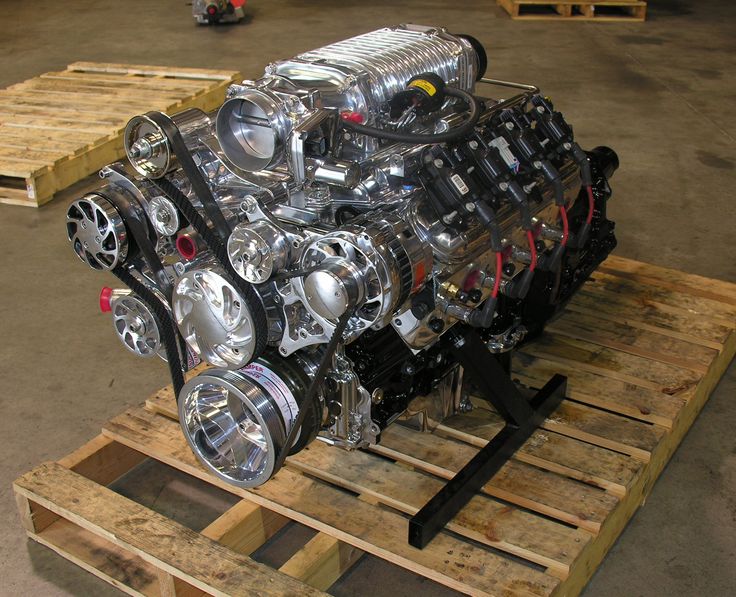
Choosing the Right Engine From Elite Crate Motors
When evaluating engine and powertrain products from Elite Crate Motors, start by defining your requirements and identifying the engine configuration you need.
That gives you a practical basis for comparing available options and identifying which details must be confirmed before purchase.
Prepare Your Vehicle and Project Information
Gather your VIN, year, make, model, existing engine identification, transmission details, and drivetrain configuration where available.
If the vehicle has been modified, document those changes as well.
Also clarify whether the project involves a direct replacement, a performance upgrade, or a custom engine swap. Each may have different compatibility and installation requirements.
Compare the Exact Product Specifications
Review the specifications for the engine you’re considering, including its model, condition, intended application, and package contents.
If you’re evaluating a complete engine package for sale, distinguish between the components included in the package and those that must be sourced separately.
Use manufacturer documentation and vehicle-specific information to verify compatibility wherever possible.
Confirm the Details Before Ordering
Before completing a purchase, establish the applicable warranty terms, current availability, shipping arrangements, and installation requirements.
If a critical compatibility question remains unresolved, seek clarification before ordering.
Elite Crate Motors can be part of your research as you evaluate engine and powertrain options. The right decision should ultimately be based on the specifications of the exact product, the requirements of your vehicle, and a clear understanding of the total project cost.
Frequently Asked Questions About New Car Engines for Sale
Where Can I Find New Car Engines Available Now for Sale?
Start with engine suppliers that provide clear product identification, technical specifications, and package details. Verify the condition and current availability of the exact product before purchasing. Elite Crate Motors is one place to explore relevant engine and powertrain options during your research.
How Do I Know Which Engine Fits My Car?
Begin with the vehicle’s VIN, year, make, model, and existing engine identification. Then verify the exact engine model, mounting requirements, transmission interface, electronic compatibility, and intended application.
Is a Complete Engine Package Better Than an Engine-Only Assembly?
It depends on your project. A complete package may be convenient if it includes components you need. An engine-only assembly may be suitable if compatible supporting parts are already available. Compare the actual contents and total cost before deciding.
Do New Engine Packages Include Accessories and Wiring?
Not necessarily. Package contents vary by product. Check the specific listing and confirm whether accessories, ECU, wiring harness, and other required components are included or purchased separately.
How Much Does a New Replacement Engine Cost?
The cost depends on the engine model, specifications, condition, included components, and availability. Shipping, installation, and supporting parts also affect the total expense. Request current pricing and confirmation of additional costs.
Can I Install a Different Engine in My Vehicle?
Potentially, but an engine swap may require changes to mounting, transmission connections, fuel delivery, cooling, exhaust, and electronic systems. Verify compatibility and applicable emissions requirements before proceeding.
What Should I Check Before Buying a Car Engine Online?
Confirm the exact model, specifications, condition, compatibility, package contents, warranty, availability, shipping charges, and installation requirements. Ask for clarification on any detail that could affect the purchase or installation.
How Do I Confirm Shipping and Warranty Details?
Request the applicable warranty terms and a shipping quotation for the exact product. Confirm the shipping method, freight fee, estimated dispatch time, transit estimate, warranty coverage, and exclusions before ordering.
Final Thoughts: Choose an Engine That Fits Your Vehicle and Budget
Finding the right engine becomes easier when you approach the purchase systematically.
Start by identifying your vehicle and existing engine. Define what you need the replacement or upgrade to accomplish, compare the technical specifications, and verify compatibility with the transmission and supporting systems.
Then look beyond the advertised price. Confirm exactly what’s included, calculate shipping and installation costs, and review the warranty and delivery terms before committing.
If you’re researching new car engines available now for sale, compare products based on verified specifications and their suitability for your particular project.
Elite Crate Motors can be part of that research as you evaluate engine and powertrain options.
The right engine isn’t simply the one with the highest horsepower or the lowest price. It’s the one whose specifications, compatibility, included components, and total cost make sense for your vehicle and your goals.
Next Post: Complete New Engine Package for Sale: How to Choose the Right Setup for Your Vehicle


