

Buying a complete new engine package for sale is a significant decision. Whether you’re replacing a failed engine, restoring a vehicle, upgrading performance, or building a custom project, choosing the right package can help you avoid compatibility problems, unexpected expenses, and unnecessary installation delays.
Here’s the challenge: two engine packages can look similar in a product listing but differ significantly in their specifications, included components, intended applications, and installation requirements.
One package might include selected accessories and electronic components, while another might contain the engine assembly alone. An engine that matches your vehicle’s displacement or advertised horsepower may still require different mounting hardware, transmission components, wiring, or calibration.
That’s why choosing an engine package should never be based on price or horsepower alone.
At Elite Crate Motors, buyers researching engine and powertrain products should approach the purchase with a clear understanding of their vehicle, project requirements, and the specifications of the product they’re considering.
This guide explains how to compare complete engine packages for sale, verify compatibility, understand what’s included, estimate the total project cost, and ask the right questions before ordering.
What Is a Complete New Engine Package?
A complete engine package is an engine supplied with a defined set of components. However, the term complete does not have one universal meaning across every manufacturer or seller.
Some products consist primarily of an assembled engine. Others include selected accessories, intake components, electronic controls, wiring, or other equipment intended for a particular application.
Before comparing prices, establish exactly what each listing includes.
Complete Engine Assembly vs. Complete Engine Package
A complete engine assembly generally refers to an assembled engine containing the major components required for its intended configuration. Depending on the design, these may include the engine block, cylinder heads, crankshaft, pistons, camshaft, and valve train.
A complete engine package may include additional components beyond the engine assembly itself.
Depending on the specific product, these could include:
- Intake manifold
- Fuel-system components
- Ignition components
- Selected engine accessories
- Engine control unit (ECU)
- Wiring harness
- Sensors
- Application-specific hardware
This is an illustrative list, not a standard package specification. You should never assume that every component listed here is included with every engine.
The product’s actual contents must be confirmed before purchase.
For example, suppose you’re comparing two products marketed as complete engine packages. One includes an engine assembly and selected accessories; the other includes the assembly but requires you to source additional components.
The lower-priced option may still be suitable. However, you need to account for the cost and availability of the missing parts before deciding which offers better value.
Why Package Contents Matter
When evaluating a complete engine assembly for sale, ask the seller to distinguish between three categories:
- Included components: Parts supplied with the product.
- Optional components: Parts available separately.
- Required supporting components: Parts or services needed for your intended installation but not included in the package.
This distinction helps you compare products fairly and build a more accurate project budget.
It also prevents a common purchasing mistake: assuming that a photograph of a complete-looking engine represents everything you’ll receive.
Identify Your Vehicle Before Selecting an Engine
The first step in choosing a replacement engine is identifying the vehicle and its existing configuration.
A vehicle’s year, make, and model provide a useful starting point, but they may not be enough to establish exact engine compatibility. Manufacturers can offer multiple engine options, transmission configurations, and drivetrain layouts within the same model range.
Gather the Essential Vehicle Information
Before requesting an engine quote, prepare the following information where available:
- Vehicle year
- Make and model
- Trim or configuration
- VIN
- Existing engine identification or engine code
- Current transmission
- Drivetrain configuration
- Existing engine part number, if available
The VIN can help establish the vehicle’s original configuration. You can use the NHTSA VIN decoder to identify information encoded in the vehicle’s identification number. However, if the vehicle has already been modified or had an engine swap, the original VIN may not describe the engine currently installed.
In that situation, the existing engine’s identification information becomes especially important.
Verify the engine you have, not just the engine the vehicle originally came with.
Replacement Engine or Custom Engine Swap?
These projects have different requirements.
A replacement engine intended for the original application may be comparatively straightforward to evaluate. A custom engine swap can involve additional mechanical, electrical, and fabrication considerations.
Depending on the combination, you may need to assess:
- Engine mounting points
- Engine dimensions and clearance
- Transmission compatibility
- Fuel delivery
- Cooling capacity
- Exhaust configuration
- Wiring and engine management
- Accessory placement
If you’re shopping for a complete engine package for a custom build, identify the intended engine and vehicle combination before ordering.
A package suitable for one installation should not automatically be assumed suitable for another.
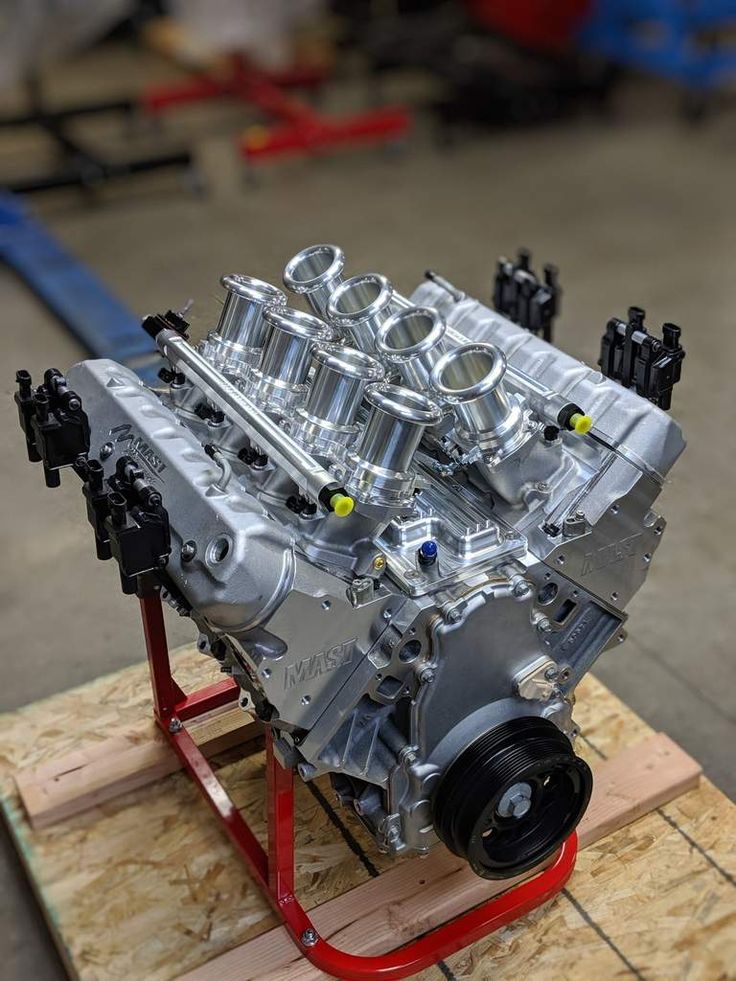
Match Engine Specifications to Your Project
Once the vehicle has been identified, determine what you need the engine to do.
A replacement for a daily driver may have different priorities from an engine for a performance vehicle, restoration, or custom build.
Understand Horsepower and Torque
Horsepower and torque are related but distinct measurements of engine output.
Horsepower describes the rate at which work is performed, while torque measures rotational force. Both are relevant when assessing an engine’s performance characteristics and its demands on the drivetrain.
However, a headline horsepower figure cannot establish whether an engine is appropriate for your vehicle.
You also need to consider:
- Engine configuration
- Intended operating range
- Vehicle weight
- Transmission suitability
- Drivetrain requirements
- Intended use
- Planned modifications
When comparing high performance engine packages for sale, verify the manufacturer’s specifications for the exact engine model and configuration.
Do not assume that two engines with similar advertised horsepower ratings have identical installation requirements or operating characteristics.
Consider Displacement and Engine Configuration
Engine displacement, cylinder arrangement, engine family, and induction type all affect the selection process.
Depending on your project, you may be considering a naturally aspirated engine, a turbocharged configuration, or another application-specific setup.
The correct choice depends on the vehicle and the purpose of the build.
A larger-displacement engine is not automatically a better replacement. Differences in dimensions, mounting, accessory placement, transmission interface, and electronic controls may make a smaller or differently configured engine more appropriate.
Choose for the Intended Application
Consider how the vehicle will actually be used.
Daily driving: Prioritize application compatibility, appropriate drivability, serviceability, and correct integration with the vehicle.
Restoration: You may need an engine that matches the original configuration or meets specific restoration requirements.
Street performance: Consider power delivery, drivetrain suitability, cooling, and the intended operating range.
Track or racing: Verify that the engine specifications suit the competition requirements and supporting components.
Custom builds: Plan for fitment, mounting, transmission compatibility, fuel delivery, electronics, and possible fabrication.
The best engine is not necessarily the one with the highest advertised output. It is the engine whose verified specifications and configuration meet your project’s requirements.
Verify Engine Compatibility Before Ordering
Compatibility is one of the most important parts of choosing a complete new engine package for sale.
An engine may have suitable performance specifications and still be unsuitable for your vehicle if its mounting arrangement, transmission interface, or supporting systems do not match.
Check Physical Fitment and Mounting
Review the physical requirements of the engine and the available space in the vehicle.
Depending on the application, relevant considerations include:
- Engine mounting points
- Mounting brackets
- Engine dimensions
- Oil pan clearance
- Hood clearance
- Accessory placement
- Chassis clearance
These details become especially important for engine swaps.
An engine can fit within the engine bay while still creating interference with the oil pan, steering components, accessories, or other parts.
For a custom installation, have the intended combination evaluated before purchasing the engine.
Verify Transmission Compatibility
The engine and transmission must work together as a system.
Depending on the configuration, you may need to confirm:
- Bellhousing pattern
- Engine-to-transmission interface
- Transmission application
- Input and connection requirements
- Adapter requirements
- Drivetrain configuration
Do not assume that your existing transmission will work with every replacement engine.
If the engine differs from the original configuration, determine whether the transmission remains suitable and whether additional components are required.
This is also where the intended torque output and drivetrain use become relevant. Engine and transmission selection should be considered together rather than as unrelated purchases.
Check Fuel, Cooling, and Exhaust Requirements
An engine requires supporting systems that meet its application-specific needs.
The fuel-delivery system must be appropriate for the selected engine. The cooling system must support the engine’s requirements. The intake and exhaust components must fit the vehicle and work with the intended configuration.
Depending on the installation, you may need to evaluate:
- Fuel supply and delivery components
- Radiator and cooling connections
- Intake configuration
- Exhaust manifolds or headers
- Oil pan and lubrication requirements
- Accessory drive arrangements
Do not assume that components from the original engine can be reused without verification.
Confirm Electronic Compatibility
Modern engines may depend on electronic systems that communicate with other vehicle components.
Depending on the application, these can include:
- ECU
- Wiring harness
- Sensors
- Electronic throttle controls
- Security or immobilizer systems
- Programming and calibration
A physically compatible engine may still require electronic work before the vehicle can operate correctly.
When reviewing a new engine package with accessories, verify whether the necessary electronic components are included and whether they are suitable for your vehicle.
Physical fitment and electronic compatibility are separate questions. Both need to be answered.
What Supporting Components Will You Need?
The engine itself may be only one part of the purchase.
Before ordering, establish which supporting components your specific installation requires and whether they are included.
Fuel and Ignition Components
Depending on the engine, the fuel and ignition systems may require compatible components or adjustments.
Check the package contents and compare them with the requirements of your intended application. Do not assume that the fuel-delivery or ignition equipment from your original engine can automatically be reused.
Cooling and Lubrication Components
Cooling and lubrication requirements should be confirmed for the selected engine.
You may need to consider the radiator, hoses, oil pan, connections, and other application-specific parts.
For custom builds, physical clearance can influence which supporting components are suitable.
Intake, Exhaust, and Accessories
The intake and exhaust systems must fit the engine and vehicle configuration.
Accessories, brackets, belts, mounts, and installation hardware may be included, optional, or purchased separately.
Ask for clarification if any of these items are essential to your project.
If your vehicle is subject to emissions requirements, verify the applicable rules before selecting an engine configuration or planning modifications. Review the EPA regulations for on-road vehicles and engines and check any additional state or local requirements that apply to your vehicle and intended use.
Electrical and Engine Management
Determine whether the package includes the ECU, wiring harness, sensors, and other electronic components required for your installation.
If additional equipment is necessary, establish what is required and whether programming or calibration will be needed.
This is especially important when the new engine differs from the original engine configuration.
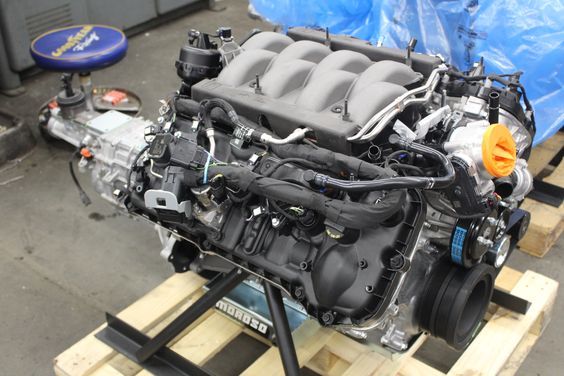
New vs. Remanufactured vs. Used Engines
When comparing engine options, distinguish between new, remanufactured, rebuilt, and used products.
These terms describe different conditions or processes and should not be treated as interchangeable.
New Engine Packages
When considering a new package, verify:
- Exact engine model
- New condition
- Manufacturer specifications
- Included components
- Intended application
- Warranty
- Availability
The term new describes the product’s condition; it does not automatically mean the engine is compatible with every vehicle.
Remanufactured Engines
A remanufactured engine has undergone a reconditioning process, but the process and specifications can vary.
Ask which components were replaced, what inspections or testing were performed, what standards apply, and what warranty is offered.
Do not assume that every remanufactured engine has undergone the same procedures.
Rebuilt Engines
The term rebuilt can refer to an engine that has been disassembled and repaired or reassembled using selected replacement components. The exact work performed depends on the product and supplier.
Ask for a description of the work completed rather than relying on the label alone.
Used Engines
A used engine may suit certain projects, but its history and condition should be considered.
Where available, investigate:
- Donor vehicle
- Mileage or usage history
- Engine identification
- Condition information
- Inspection or testing documentation
- Warranty
- Application compatibility
Compare the Actual Value
The most appropriate choice depends on the application, budget, documentation, condition, warranty, and included components.
Compare the actual products rather than assuming that one category is always superior.
How to Evaluate an Engine Package Listing
A useful product listing should identify the engine clearly enough for a buyer to assess its suitability.
If important information is missing, request clarification before purchasing.
Verify the Exact Engine Model
Look for the engine’s manufacturer, model designation, and part number where applicable.
Compare these details with the intended vehicle application and relevant manufacturer documentation.
A broad claim such as “fits most vehicles” is not sufficient when your project requires a specific configuration.
Review the Technical Specifications
Depending on the engine, relevant specifications may include:
- Displacement
- Cylinder configuration
- Horsepower and torque ratings
- Fuel type
- Induction type
- Intended application
- Included components
If an important specification is missing, do not fill the gap with an assumption.
Request confirmation from the seller or consult the relevant manufacturer documentation.
Confirm Every Included Component
For a complete engine package for sale, establish which components are supplied, which are optional, and which must be sourced separately.
If a component is essential to the installation, make sure its inclusion is explicitly confirmed.
This makes it easier to compare prices and reduces the risk of discovering an unexpected requirement after delivery.
Be Cautious With Unsupported Performance Claims
Terms such as “race-ready,” “high performance,” or “maximum power” are not substitutes for technical specifications.
Look for verifiable information about the engine model, intended application, performance ratings, and package contents.
A reliable purchase decision should be based on product-specific evidence rather than marketing language alone.
Calculate the Total Cost of Your Engine Package
The advertised engine price is only one part of the project’s financial picture.
Before ordering, calculate the likely cost of obtaining the engine, receiving it, and completing the intended installation.
Engine Price and Package Contents
Compare the exact product configuration and the components included.
Two packages with similar prices may have different specifications or require different amounts of additional equipment.
Shipping and Freight
Engine packages can be heavy and may require freight delivery.
Confirm the following before purchasing:
- Shipping method
- Shipping fee
- Estimated dispatch time
- Estimated transit time
- Delivery requirements
Do not assume that shipping is included in the product price. If the shipping fee or delivery estimate has not been confirmed, ask for it.
Installation and Supporting Components
Installation costs depend on the vehicle, engine, modifications, and workshop rates.
Additional expenses may include mounts, wiring, fuel-system components, cooling parts, exhaust components, programming, or fabrication.
The actual requirements depend on the selected engine and vehicle.
A practical budgeting formula is:
Engine package + shipping + required components + installation + applicable modifications and services = estimated project cost.
This gives you a more realistic basis for comparing complete engine packages for sale.
Installation Planning: What Buyers Should Know
Installation should be considered before the engine arrives.
Decide Who Will Perform the Installation
An engine replacement can involve heavy components, specialized equipment, electrical work, and vehicle-specific procedures.
If you lack the appropriate tools or experience, consider working with a qualified technician.
For a custom engine swap, discuss the exact engine and vehicle combination with the installer before committing to the purchase.
Prepare the Vehicle Before Delivery
Confirm that the installation plan accounts for:
- Engine fitment
- Mounting arrangements
- Transmission compatibility
- Fuel and cooling systems
- Electrical requirements
- Exhaust clearance
- Supporting components
This is particularly important when the engine differs from the original configuration.
Follow Engine-Specific Procedures
General installation guidance cannot replace the service information for the specific engine and vehicle.
Depending on the application, installation may involve fluid specifications, lubrication or priming procedures, programming, calibration, initial startup checks, or diagnostic testing.
Follow the applicable manufacturer instructions and vehicle-specific service information.
Questions to Ask Before Ordering From an Engine Vendor
A good purchasing decision depends on having clear answers about the product and the transaction.
Product Questions
- What is the exact engine model and part number?
- Is the engine new?
- What components are included?
- Which components must be purchased separately?
- What manufacturer specifications are available?
Compatibility Questions
- Is the engine suitable for my vehicle configuration?
- Will it work with my intended transmission?
- Are additional mounts, adapters, or modifications required?
- What electronic components are necessary?
- Are there application-specific installation requirements?
Warranty Questions
- What warranty applies to the specific engine?
- What does it cover?
- Are there exclusions?
- Are particular installation procedures required?
- How are warranty claims handled?
Review the actual warranty terms rather than relying on a general statement that the product is covered.
Availability and Shipping Questions
- Is the package in stock?
- What is the estimated dispatch time?
- What shipping method is available?
- What is the shipping cost?
- What is the estimated transit time?
Clear answers help you coordinate delivery with your installation schedule.
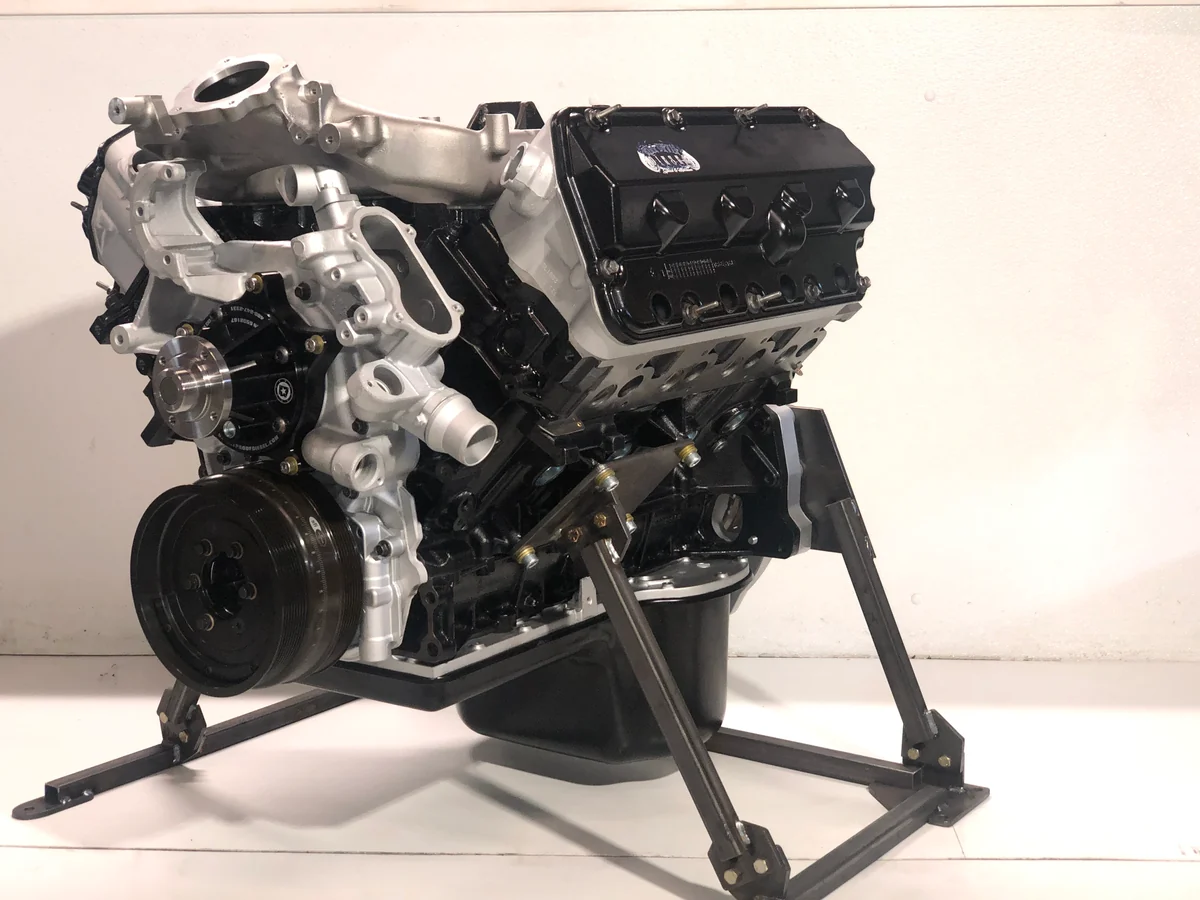
Choosing an Engine Package From Elite Crate Motors
If you’re evaluating engine products from Elite Crate Motors, start by identifying your vehicle and defining what the engine needs to accomplish.
That gives you a more useful basis for evaluating the available options than browsing listings by price or horsepower alone.
Prepare Your Vehicle Information
Have the following details available where possible:
- VIN
- Year, make, and model
- Existing engine
- Engine code or part number
- Transmission
- Drivetrain
- Intended use
If the vehicle has been modified, explain those changes as well.
Explain Your Project Requirements
Identify whether you’re replacing an existing engine, restoring a vehicle, upgrading performance, or planning a custom swap.
Include your performance goals, existing drivetrain configuration, and any known installation constraints.
These details help establish which product specifications need to be verified.
Verify the Exact Product Before Ordering
Before completing a purchase, confirm the engine model, package contents, application, condition, warranty, availability, and shipping arrangements.
If a particular component is essential to the installation, make sure it is explicitly included or plan to source it separately.
The objective is to understand exactly what you’re buying and what will be required to use it.
Frequently Asked Questions About Complete New Engine Packages
What Is Included in a Complete New Engine Package?
The contents vary by product. A package may include an engine assembly and selected accessories or supporting components. Check the specific listing and confirm any missing items before ordering.
How Do I Know Which Engine Package Fits My Vehicle?
Start with the VIN, year, make, model, existing engine identification, and drivetrain information. Then verify the exact engine application, mounting requirements, transmission interface, and electronic compatibility.
Is a Complete Engine Package Better Than Buying an Engine Alone?
A complete package may be convenient if it includes components required for your project. Its value depends on what is included, what you actually need, and the total cost compared with purchasing components separately.
Does a Complete Engine Package Include the ECU and Wiring Harness?
Not necessarily. Some packages include these components, while others do not. Check the specific product listing and confirm the requirements for your vehicle.
Can I Use a Complete New Engine Package for a Custom Swap?
Potentially, but the engine must be evaluated against the vehicle’s mounting, transmission, fuel, cooling, exhaust, and electronic requirements. Additional components or modifications may be necessary.
How Much Does a Complete New Engine Package Cost?
Pricing depends on the engine model, specifications, included components, application, availability, and shipping. Installation and supporting parts can also affect the total project cost.
Should I Buy a New, Remanufactured, or Used Engine?
The decision depends on your budget, application, condition requirements, documentation, warranty, and installation plans. Compare the actual products rather than relying on the category label alone.
What Should I Check Before Ordering an Engine Online?
Verify the exact engine model, vehicle compatibility, technical specifications, included components, condition, warranty, availability, shipping, and installation requirements.
Final Thoughts: Choose the Right Setup, Not Just the Right Engine
When searching for a complete new engine package for sale, it is tempting to focus on the purchase price and the advertised horsepower.
Those details matter, but they don’t tell the whole story.
A well-informed engine purchase begins with the vehicle, the intended application, and a clear understanding of the product’s specifications and package contents.
Identify your existing engine. Define your performance goals. Check transmission and drivetrain compatibility. Verify the supporting systems. Confirm the warranty, shipping arrangements, and installation requirements.
Then compare available packages using those details.
For buyers researching complete engine packages for sale, complete replacement engine packages, or high performance engine packages for sale, this process provides a practical framework for comparing options based on their suitability rather than marketing claims alone.
Elite Crate Motors can be part of that research and purchasing process as you evaluate available engine and powertrain products. Before ordering, have your vehicle information ready and verify the specifications of the exact package you’re considering.
Choose the engine package that fits the vehicle, supports the project, and meets requirements you can verify—not simply the one with the biggest horsepower number or the lowest advertised price.
That’s the foundation of a more informed engine purchase and a better-planned vehicle project.
Next Post: High Performance Transmissions for Sale: How to Choose the Right One for Your Build


