
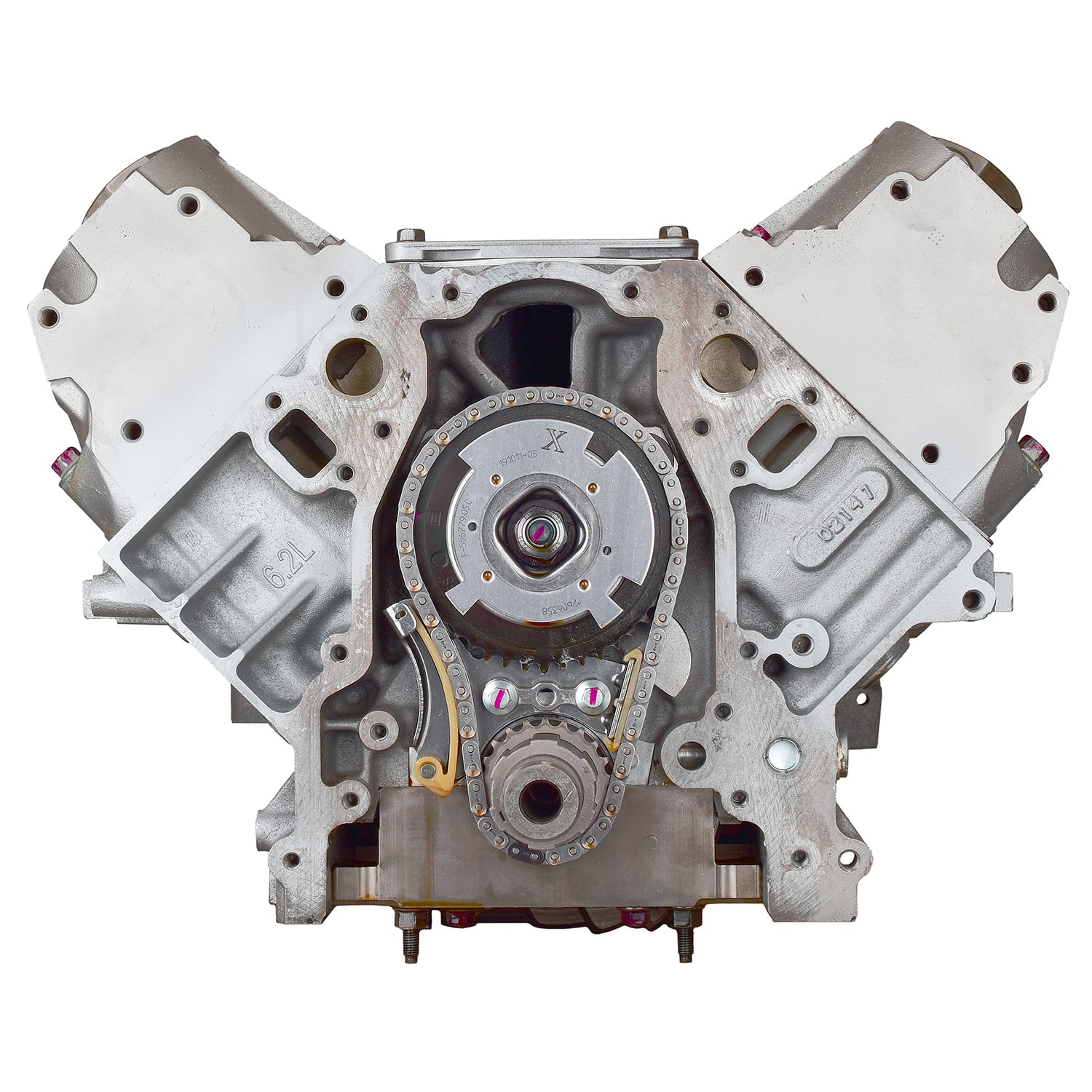
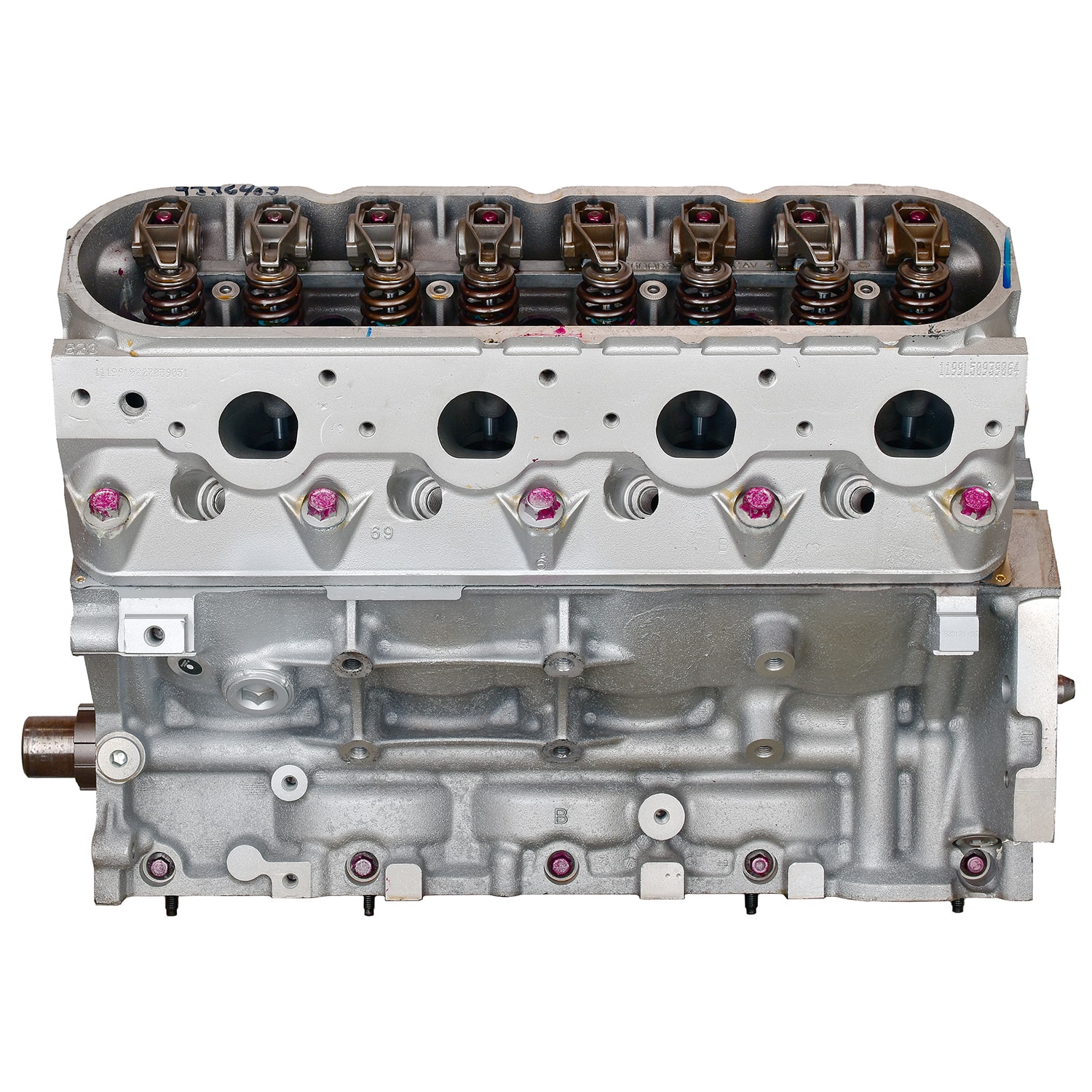
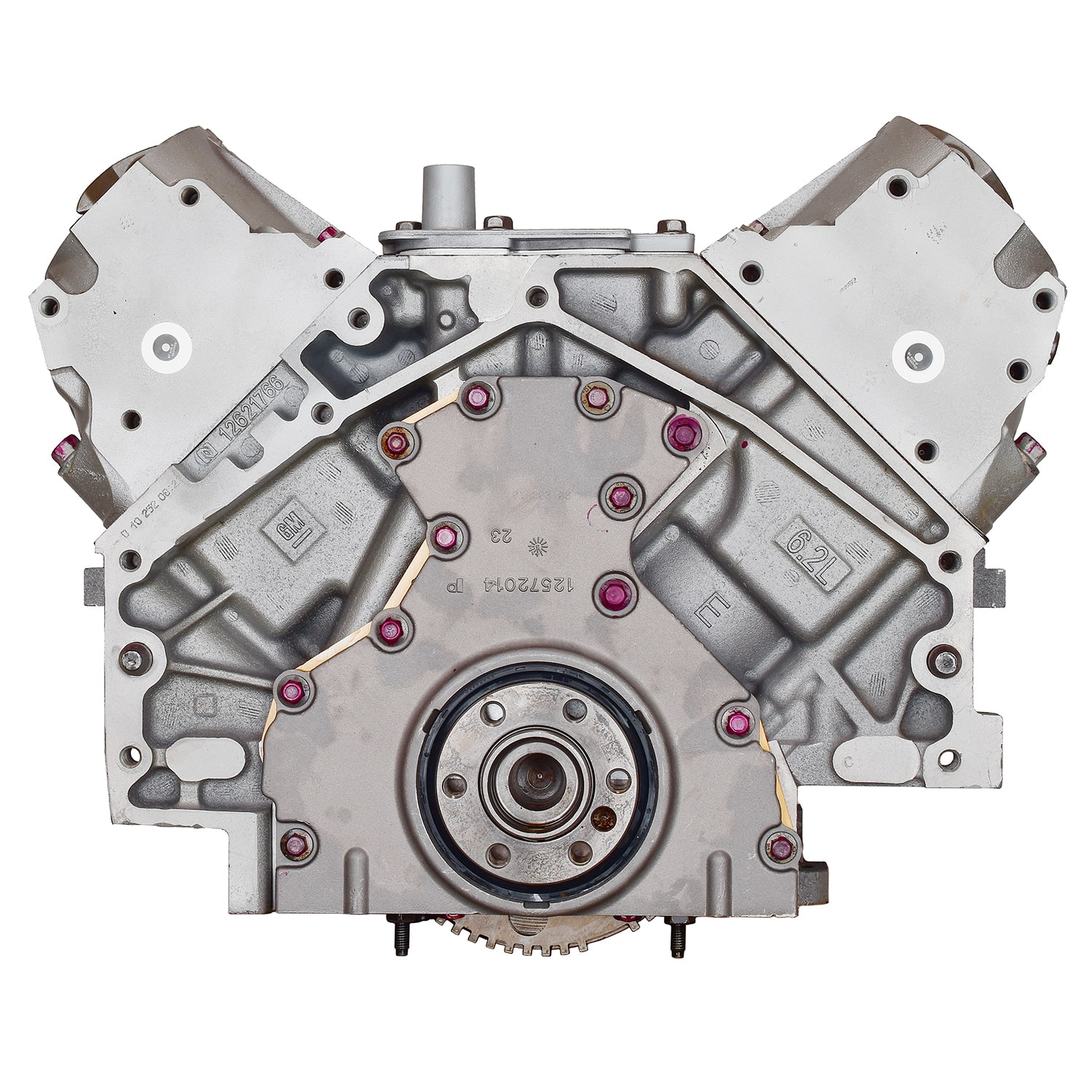
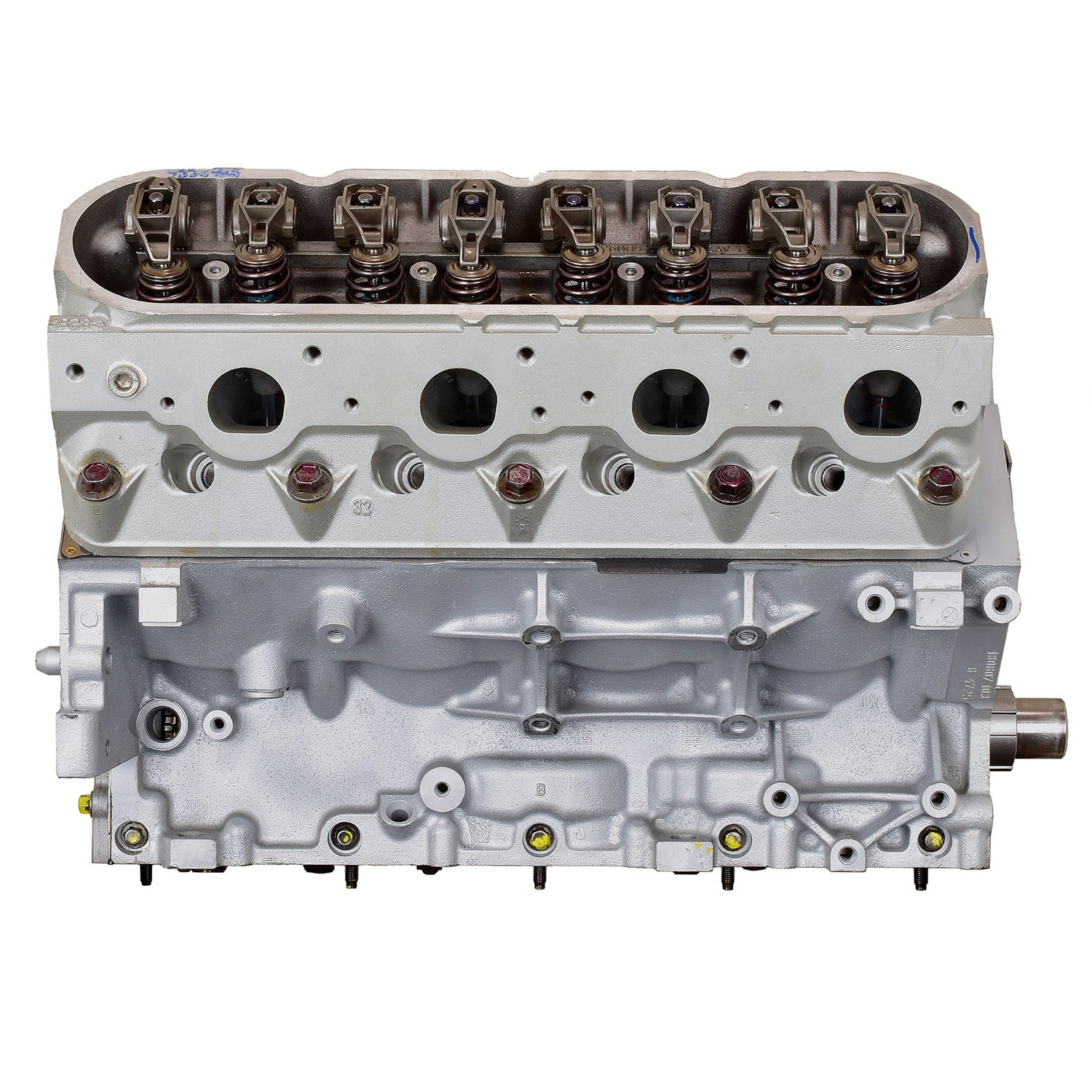
Description
Chevy 6.2L V8 L9H Remanufactured Engine – Professional Overview
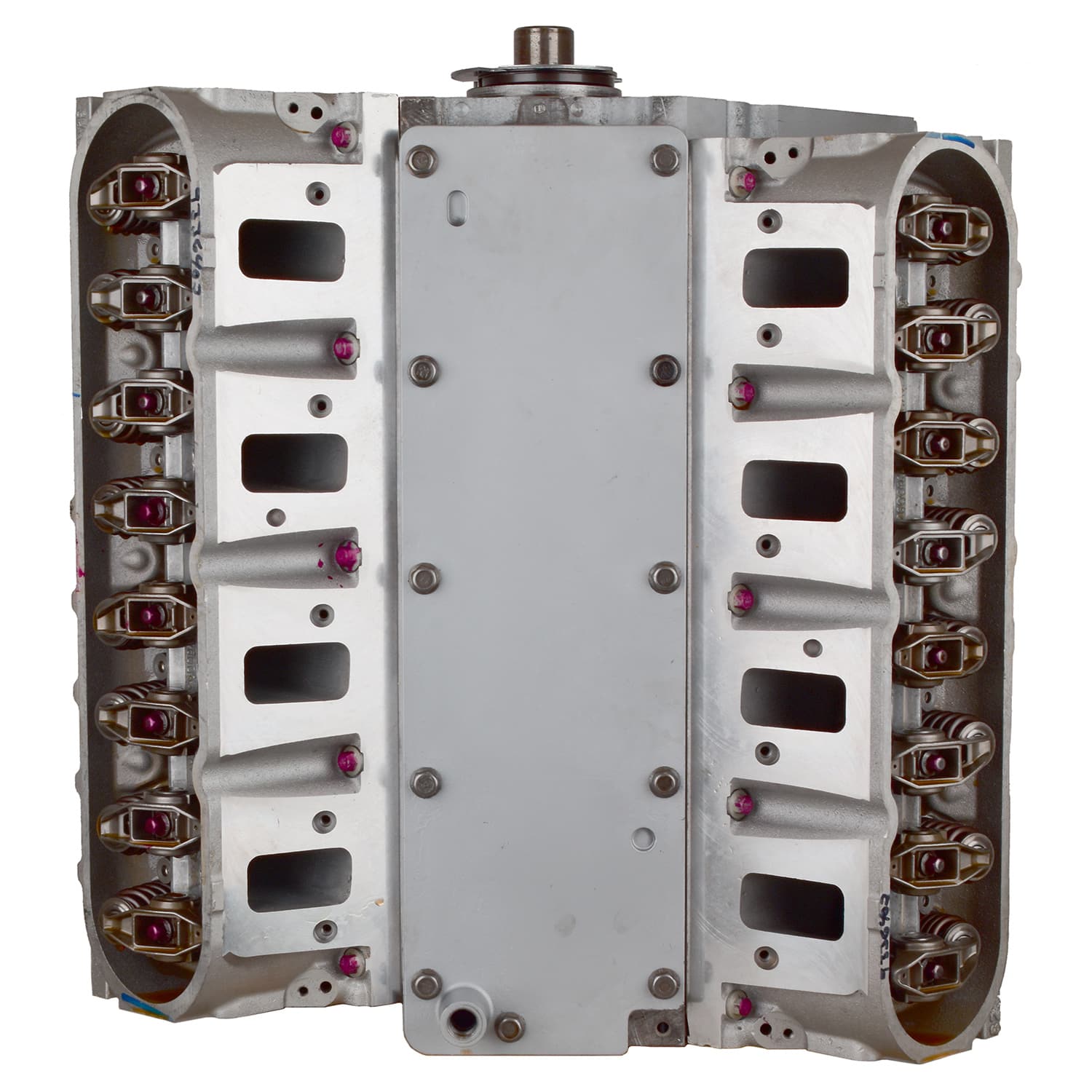
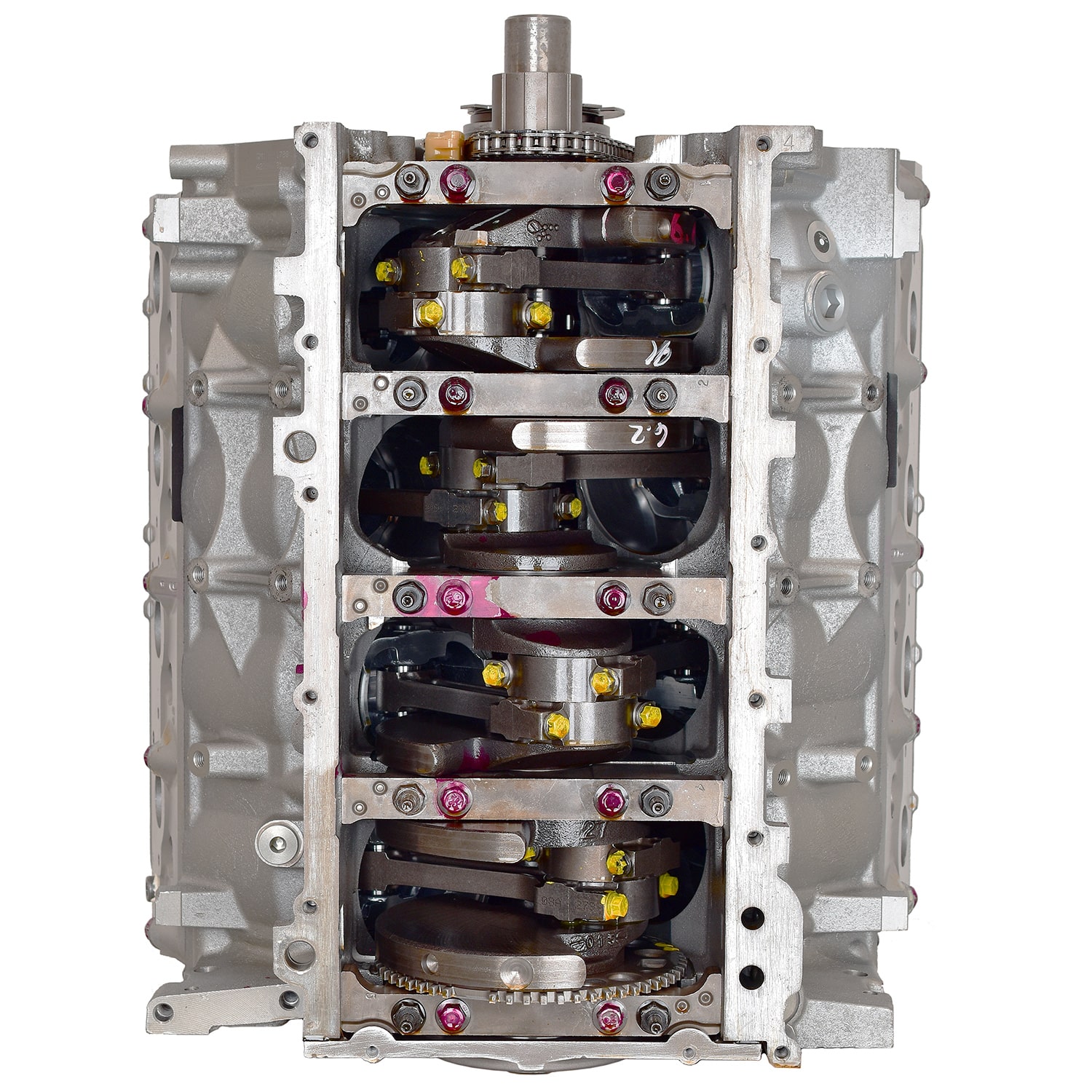
The Chevy 6.2L V8 L9H Remanufactured Engine is a professionally remanufactured 6.2-liter V8 replacement engine intended for specified Cadillac, Chevrolet, GMC, and Hummer applications from 2009 through 2013.
The L9H engine belongs to GM’s 6.2L V8 engine family and is identified by its L9H engine code and VIN code 2. The supplied application information specifies Variable Valve Timing (VVT) and no Displacement on Demand (DOD) cylinder deactivation.
For replacement-engine buyers, accurate identification is essential. The correct engine must correspond with the vehicle’s year, make, model, engine configuration, and applicable fitment information. Buyers should verify compatibility using the vehicle fitment information and, where applicable, the casting numbers provided with the product listing.
This engine is remanufactured rather than simply supplied as a used engine. The remanufacturing process involves extensive cleaning, inspection, machining, replacement of specified components, assembly, and testing before the engine is offered for installation.
Fitment and Applications
The L9H 6.2L V8 engine is listed for applications covering 2009–2013 Cadillac, Chevrolet, GMC, and Hummer vehicles.
The supplied specifications identify the engine as a 6.2L L9H V8 with VVT and no DOD. This distinction is important because engines within the same displacement family can have different configurations, equipment, and fitment requirements.
Engine compatibility should therefore be confirmed before ordering. The product listing indicates that fitment can be verified through the vehicle fitment information and applicable casting numbers.
The VIN code associated with this engine is 2, providing another identification point when confirming the original engine configuration.
For buyers replacing a failed engine, matching the replacement unit to the original vehicle configuration helps reduce the possibility of ordering an incompatible assembly.
Build Quality and Remanufacturing Process
Each engine undergoes a structured remanufacturing process designed to restore the assembly to a condition suitable for replacement use.
The process begins with complete disassembly and deep cleaning. Cast-iron components are hot tanked, while aluminum components are thermally cleaned. This removes accumulated oil, carbon, deposits, and other contaminants before inspection and machining.
During inspection, components undergo visual examination and Magnaflux testing. Magnetic-particle inspection helps identify microscopic cracks and fissures that could affect long-term engine reliability.
Machining is performed where required, including CNC machining of deck surfaces. New components are then incorporated during the rebuilding process. The supplied product information specifies replacement bearings, pistons, rings, lifters, oil pump, gaskets, Viton valve seals, freeze plugs, and galley plugs.
Depending on the engine’s design, the remanufacturing process also includes a new timing chain with tensioners or a new timing belt with its tensioner. Engines using a timing-driven water pump receive a new pump as part of the specified process.
After assembly, every engine undergoes SIM testing. The cooling and oil systems are fully pressurized while the crankshaft is spun at high RPM to verify compression and overall build quality.
This combination of cleaning, inspection, machining, component replacement, assembly, and testing distinguishes a professionally remanufactured engine from a typical used engine assembly.
Why This Engine Is a Practical Replacement
Replacing an engine requires more than matching displacement alone. The L9H engine code, VVT configuration, absence of DOD, VIN information, and applicable vehicle fitment details all contribute to correct identification.
A professionally remanufactured engine also provides a documented rebuilding process rather than relying solely on the unknown operating history of a used engine.
For buyers dealing with an engine failure, the remanufacturing process provides important checkpoints throughout the rebuild. Components are inspected, machining is performed where necessary, specified internal parts are replaced, and the finished assembly is tested before being supplied.
The result is a replacement engine intended for buyers who need a properly identified 6.2L V8 L9H engine rather than a generic 6.2L replacement.
Who This Engine Is Best For
This engine is suited to buyers who need a remanufactured 6.2L V8 replacement engine for a compatible 2009–2013 application.
It can be appropriate for:
- Vehicle owners replacing a failed L9H engine
- Repair shops sourcing a replacement powertrain assembly
- Professional mechanics handling engine replacement projects
- Fleet or commercial vehicle operators requiring a replacement engine
- Buyers looking specifically for a GM 6.2L L9H V8 configuration
Because fitment varies between engine configurations, buyers should verify their vehicle information before purchasing. The engine’s L9H identification and no-DOD configuration should be matched against the original vehicle requirements.
Technical Specifications
| Specification | Details |
|---|---|
| Engine Type | 6.2L V8 |
| Engine Code | L9H |
| Displacement | 6.2L |
| Engine Configuration | V8 |
| Valve Technology | Variable Valve Timing (VVT) |
| Cylinder Deactivation | No DOD |
| VIN Code | 2 |
| Model Years | 2009–2013 |
| Listed Makes | Cadillac, Chevrolet, GMC, Hummer |
| Condition | Remanufactured |
| Fitment Verification | Vehicle fitment information and applicable casting numbers |
| Cleaning Process | Hot tanking for cast iron / thermal cleaning for aluminum |
| Inspection | Visual inspection and Magnaflux testing |
| Machining | CNC-machined deck surfaces |
| Testing | SIM tested after assembly |
| Warranty | Up to 7 years / 1 million miles, with optional Pure Care no-fault protection |
Ordering and Support
Correct engine identification is an important part of the purchasing process. Before ordering, compare the vehicle’s year, make, model, original engine configuration, VIN information, and applicable casting details with the listed specifications.
The supplied product information recommends verifying fitment through the vehicle fitment information and applicable casting numbers. This is particularly important when replacing a 6.2L engine because engines with similar displacement can have different specifications and equipment.
The remanufacturing process also provides several quality-control stages, including component inspection, machining, new internal parts, assembly, and SIM testing.
This L9H remanufactured engine can also be considered alongside related replacement engines and other products within the engine category when matching a vehicle-specific replacement powertrain.
Frequently Asked Questions
Is this a 6.2L L9H engine?
Yes. The supplied product information identifies this engine as a 6.2L L9H V8. It is listed with VVT and without DOD cylinder deactivation, and the specified VIN code is 2.
What vehicles does the L9H engine fit?
The listing identifies 2009–2013 Cadillac, Chevrolet, GMC, and Hummer applications. Exact fitment depends on the specific vehicle and engine configuration, so the vehicle fitment information and applicable casting numbers should be checked before ordering.
Does this engine have VVT?
Yes. The supplied specifications identify the L9H engine as having Variable Valve Timing (VVT).
Does this engine use DOD cylinder deactivation?
No. This particular L9H specification is listed as No DOD, meaning it does not use Displacement on Demand cylinder deactivation.
How is the engine tested after remanufacturing?
After assembly, the engine undergoes SIM testing. The cooling and oil systems are pressurized and the crankshaft is spun at high RPM to verify compression and build quality.
What components are replaced during remanufacturing?
The specified remanufacturing process includes new bearings, pistons, rings, lifters, oil pump, gaskets, Viton valve seals, freeze plugs, and galley plugs. Timing components and a timing-driven water pump are also replaced when applicable.
What warranty is available with this engine?
The supplied product information states that each engine comes with up to 7 years and 1 million miles of warranty, with the option to upgrade to Pure Care no-fault protection.


Reviews
There are no reviews yet.