

Buying a replacement transmission is one of those jobs where “close enough” isn’t close enough.
You can have the correct vehicle year, make and model, find a transmission that looks almost identical to the one sitting in your driveway, and still end up with a fitment problem if the transmission code, drivetrain configuration, engine combination, output arrangement, electronics, or other application-specific details don’t match.
That’s why people searching for tested transmissions in stock for sale should look beyond the words “tested” and “in stock.”
Those words matter, but they don’t answer the most important question:
Is this the right transmission for my vehicle and application?
At Elite Crate Motors, that’s the way we recommend approaching a transmission purchase. Instead of starting with price and working backward, start with identification and compatibility. Once you know exactly what transmission you need, you can compare condition, testing information, availability, warranty terms, shipping, and total value.
This approach is particularly important because transmission replacement isn’t just a parts purchase. Installation can involve substantial labor, fluids, supporting components, programming or adaptation on some applications, and significant vehicle downtime.
In other words, getting the transmission decision wrong can be much more expensive than paying a little more for the right unit the first time.
This guide explains the 7 things to check before buying tested transmissions, along with the technical details that can help you make a more informed purchasing decision.
What Does “Tested Transmission” Actually Mean?
Let’s start with the word that often creates the most confusion:
Tested.
A transmission described as tested has generally undergone some form of inspection or functional verification. However, the meaning of “tested” can differ between sellers and products.
That’s why an experienced buyer shouldn’t simply see the word “tested” and assume the transmission is equivalent to a new or remanufactured unit.
Tested Does Not Automatically Mean New
There are several different categories of replacement transmissions.
You might encounter:
- Used transmissions
- Tested used transmissions
- Rebuilt transmissions
- Remanufactured transmissions
- New transmissions
These descriptions are not interchangeable.
A used transmission has previously been installed and operated.
A tested used transmission may be a previously operated unit that has undergone inspection or testing.
A rebuilt transmission has undergone some level of repair or reassembly.
A remanufactured transmission has undergone a defined restoration process, although the exact process and standards can vary by supplier or manufacturer.
A new transmission is a newly manufactured unit.
The important point is simple:
Don’t let terminology replace verification.
What Should “Tested” Tell You?
When evaluating tested replacement transmissions for sale, ask what the seller means by tested.
Depending on the particular transmission and seller’s process, testing or inspection may address areas such as:
- External condition
- Transmission case condition
- Mounting points
- Shafts
- Connectors
- Leakage
- Gear engagement
- Shift operation
- Hydraulic operation where applicable
- Electronic components where applicable
The exact testing procedure should be confirmed for the specific product.
That’s an important distinction because testing is not a universal industry-wide checklist with identical procedures for every transmission.
If a listing doesn’t explain what was inspected or tested, ask.
A knowledgeable seller should be able to tell you what information is available for that particular unit.
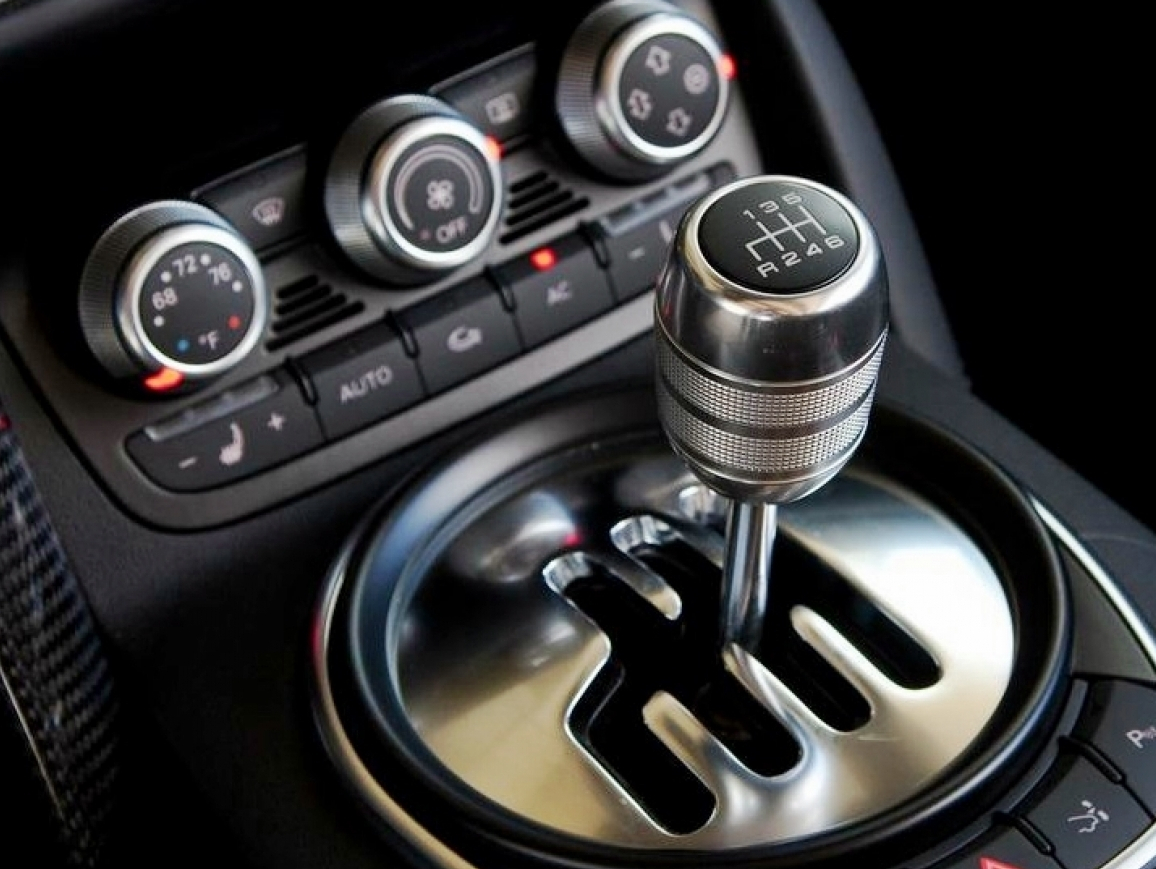
The 7 Things to Check Before Buying Tested Transmissions in Stock for Sale
1. Verify the Exact Transmission Code and Identification
If there’s one piece of advice I would put at the top of every transmission buying guide, it’s this:
Identify the transmission before you buy the transmission.
Your vehicle information is important.
But depending on the application, the vehicle year, make and model may not uniquely identify the transmission.
A single vehicle model can potentially be offered with different engines, transmission families, drivetrain configurations, or production variations.
That’s where transmission identification becomes extremely valuable.
What Is a Transmission Code?
A transmission code is an identification reference associated with a particular transmission or application.
For vehicle identification, the Vehicle Identification Number (VIN) is a particularly useful reference when confirming application information. The vehicle identification number can provide an important starting point for application research.
Depending on the vehicle and manufacturer, you may encounter:
- Transmission codes
- Model numbers
- Part numbers
- Identification tags
- Stamped case numbers
- Serial numbers
- Build information
The exact identification method varies by manufacturer.
That’s why you shouldn’t assume every transmission uses the same identification system.
Why Identification Matters
Imagine you tell a transmission vendor:
“I need a transmission for a 2020 pickup.”
That’s a starting point.
But it doesn’t necessarily tell the seller:
- Which engine is installed
- Which transmission was originally fitted
- Whether the truck is 2WD or 4WD
- Whether a particular transmission option was used
- Whether there are production-specific differences
Now compare that with:
“Here is the VIN, engine information, transmission identification number, drivetrain configuration, and photos of the existing transmission.”
That’s a much stronger fitment reference.
Don’t Throw Away the Old Transmission Information
Even when the original transmission has failed, it can still provide valuable identification information.
Before removal, if practical, photograph:
- Identification tags
- Stamped numbers
- Electrical connectors
- Transmission case
- Mounting points
- Output area
- Transfer-case connection
- Overall configuration
A failed transmission can still be an important fitment reference.
2. Confirm Vehicle Fitment and Drivetrain Compatibility
Once you know the transmission identification, the next question is:
Does it actually belong on this vehicle?
This is where transmission fitment becomes more technical.
Don’t Rely on Year, Make and Model Alone
For many applications, you should consider:
- Vehicle year
- Make
- Model
- Engine
- Transmission type
- Transmission code
- VIN
- Drive configuration
- 2WD
- 4WD
- AWD
- Vehicle trim where relevant
The more information available, the better the application can be evaluated.
Engine Compatibility Matters
A transmission is part of a larger drivetrain system.
It connects to the engine and transfers power through the rest of the drivetrain.
That means the transmission’s relationship with the engine matters.
Depending on the application, fitment can involve:
- Bellhousing pattern
- Input shaft
- Input shaft dimensions
- Spline configuration
- Torque converter
- Flexplate/flywheel relationship
- Transmission mounting
- Electronic controls
- Sensors
- Output configuration
Not every item applies to every transmission, but these are examples of why transmission compatibility goes beyond exterior appearance.
2WD, 4WD and AWD Matter
Drivetrain configuration is another detail buyers should never casually overlook.
A 2WD application can have different requirements from a 4WD or AWD application.
For 4WD vehicles, the relationship between the transmission and transfer case can be particularly important.
For AWD systems, electronic and mechanical drivetrain configurations can introduce additional compatibility considerations.
So if you’re shopping for tested transmissions for cars and trucks, don’t simply send the vehicle model.
Send the complete application information you have.
3. Find Out What Was Actually Tested
This is probably the most important trust question in the entire purchasing process.
If a transmission is advertised as tested, ask:
“What exactly was tested?”
That’s a reasonable question.
In fact, it’s one of the best questions a serious buyer can ask.
Visual and Mechanical Inspection
A transmission inspection can identify obvious external concerns.
Depending on the particular unit and inspection process, areas may include:
- Cracks
- Damaged transmission case
- Broken mounting points
- Damaged connectors
- Shaft damage
- External leakage
- Severe corrosion
- Missing components
- Obvious physical damage
This type of inspection is valuable because some problems can be identified before installation.
But visual inspection doesn’t tell you everything happening inside a transmission.
Functional Testing
Where applicable, functional testing can evaluate operating characteristics.
Depending on the transmission and testing equipment, areas may include:
- Gear engagement
- Shift operation
- Hydraulic functions
- Pressure-related measurements
- Electronic controls
- Solenoids
- Leakage
However, the exact procedure matters.
You should never assume that because two sellers use the word “tested,” they perform identical tests.
Testing Does Not Equal a Guarantee of Future Performance
This distinction is critical for trust.
Testing provides information about the unit at the time and under the conditions in which it was tested.
It does not eliminate every possible future failure.
Transmission performance after installation can also be affected by:
- Vehicle condition
- Installation quality
- Fluid type and level
- Cooling system
- Electrical issues
- Calibration
- Driving conditions
- Maintenance
- Other drivetrain components
That’s why a trustworthy transmission purchase should combine testing information + correct fitment + proper installation + applicable warranty terms.
4. Check the Transmission’s Condition and History
Now let’s talk about condition.
If you’re looking at tested transmissions in stock for sale, determine what kind of transmission you’re actually buying.
Used Transmission
A used transmission has previously operated in a vehicle.
That doesn’t automatically make it unsuitable.
The key is understanding the available information about its condition, application, history and testing.
Where available, useful information can include:
- Previous application
- Mileage
- Identification
- Condition
- Inspection information
- Testing information
Not every used transmission will have complete historical information, so don’t assume it does.
Tested Used Transmission
This is where the distinction becomes useful.
The transmission may have been previously operated, but additional inspection or testing has been performed.
The important question remains:
What did the testing establish?
Rebuilt Transmission
A rebuilt transmission has undergone repair or reassembly.
However, “rebuilt” can describe different scopes of work depending on the supplier.
Ask what was actually replaced, repaired or inspected.
Remanufactured Transmission
A remanufactured transmission is restored through a defined remanufacturing process.
Again, the exact process varies.
If you’re comparing tested transmissions vs. remanufactured transmissions, don’t compare the labels alone.
Compare:
- Restoration process
- Components
- Testing
- Warranty
- Application
- Price
- Availability
Condition and Fitment Are Separate Questions
This deserves repeating:
A good-condition transmission can still be the wrong transmission for your vehicle.
And the correct transmission application can still require careful evaluation of its condition.
You need both sides of the equation.
5. Verify Exactly What Comes With the Transmission
One of the easiest ways to create an unnecessary problem is to assume that everything pictured or associated with the transmission is automatically included.
Don’t assume.
Ask.
What Is Included?
Depending on the specific product, determine whether you’re receiving:
- Transmission assembly
- Torque converter
- Transfer case
- Sensors
- Solenoids
- Wiring/connectors
- Mounting components
- Related hardware
The exact contents depend on the individual listing.
Automatic Transmission Buyers: Check the Torque Converter
If you’re buying an automatic transmission, determine whether the torque converter is included.
Don’t assume it is.
And don’t assume an existing torque converter is automatically compatible with a replacement transmission.
The correct answer depends on the specific application and components.
Manual Transmission Buyers: Look Beyond the Housing
For manual transmissions, buyers may need to consider:
- Bellhousing compatibility
- Input shaft
- Output shaft
- Spline count
- Gear configuration
- Clutch compatibility
- Mounting configuration
Again, these aren’t universal requirements for every vehicle.
They’re examples of the technical details that can determine whether a particular transmission is appropriate.
The Photograph Isn’t the Contract
This is a useful rule:
Buy according to the written product information and confirmed specifications—not assumptions based on a photograph.
If you’re unsure whether something is included, ask before ordering.
That simple step can prevent an expensive parts mismatch.
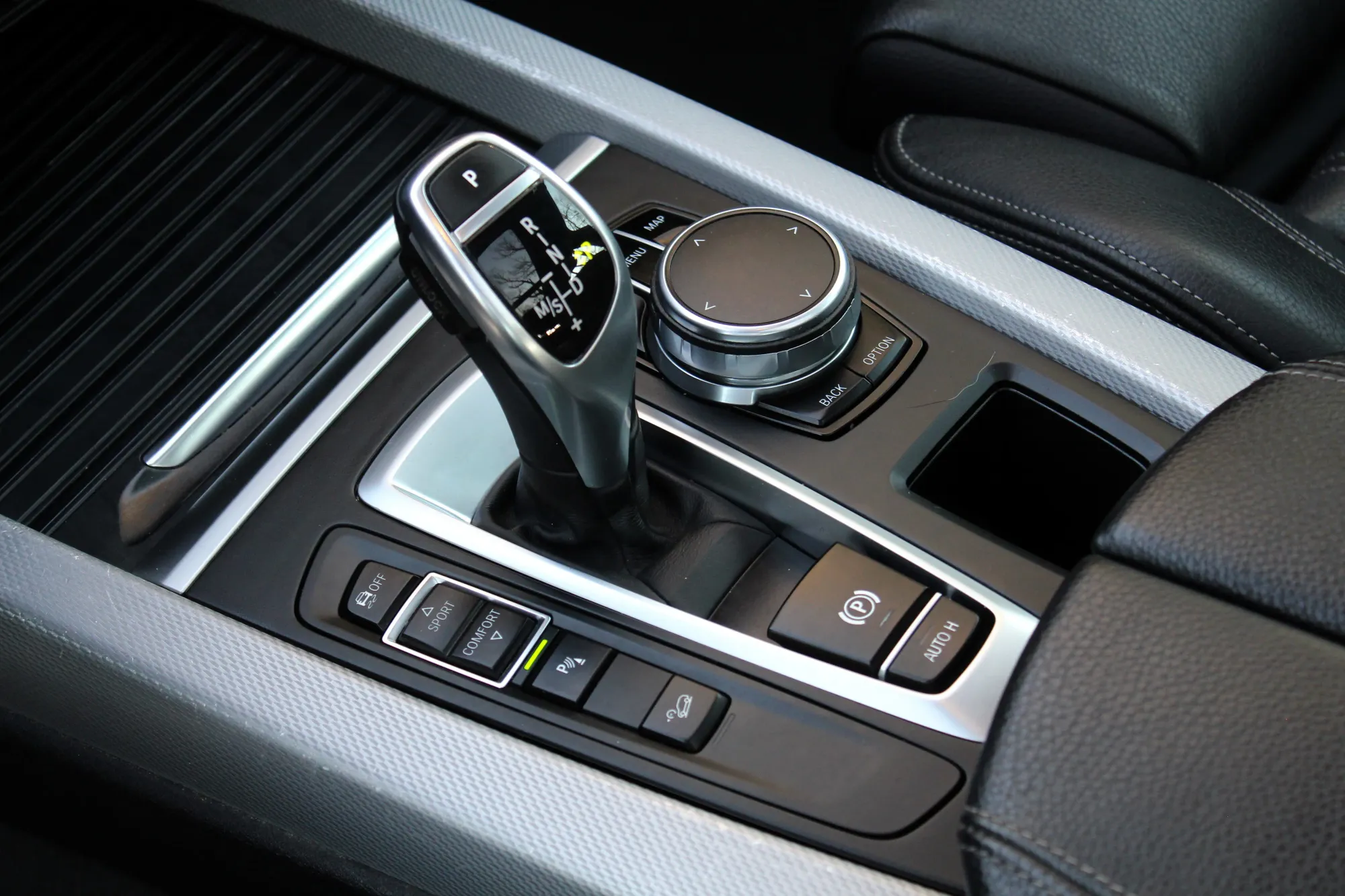
6. Compare Availability, Warranty and Total Purchase Value
Now we get to the part that most buyers naturally focus on:
Price.
Price matters.
But it shouldn’t be the only number you consider.
“In Stock” Can Matter as Much as Price
If your vehicle is already sitting at a repair facility, time matters.
A transmission that is genuinely available may help you avoid additional downtime compared with a product that still needs to be sourced.
That’s why searches such as replacement transmission in stock and ready to ship have strong commercial intent.
The buyer isn’t simply researching.
They’re trying to solve a vehicle problem.
Don’t Compare Listings on Price Alone
When comparing tested transmissions for sale, look at:
- Purchase price
- Shipping
- Condition
- Testing information
- Included components
- Warranty
- Fitment confidence
- Availability
- Installation requirements
Consider the total installed cost, not just the product price.
Why the Cheapest Transmission Can Become the Most Expensive
Here’s a realistic scenario.
A buyer finds a transmission for less money than the alternatives.
It arrives.
The shop begins installation.
Then the transmission turns out to have a compatibility problem.
Now the buyer may be dealing with:
- Additional labor
- Additional shipping
- Installation delays
- Vehicle downtime
- Another transmission purchase
The original savings disappear quickly.
That’s why an experienced buyer asks:
“What gives me the best overall value?”
rather than:
“What is the lowest price?”
Understand the Applicable Warranty
Before ordering, verify the actual warranty terms for the specific transmission.
Pay attention to:
- Warranty period
- Covered components
- Installation requirements
- Exclusions
- Return conditions
- Documentation requirements
Never assume that one transmission has the same warranty as another.
7. Confirm Shipping, Packaging and Installation Requirements
Finding the correct transmission is a major step.
Getting it safely to the installation location is another.
Transmissions are heavy, precision drivetrain components. Appropriate packaging and handling are therefore important considerations when purchasing online.
Before the Transmission Ships
Confirm:
- Delivery address
- Shipping method
- Availability
- Expected delivery arrangement
- Receiving requirements
- Applicable freight considerations
Inspect the Shipment When It Arrives
Before installation, inspect the transmission and packaging for obvious shipping damage.
Take photographs if appropriate.
If something appears damaged, follow the seller’s applicable damage-reporting and return procedures before proceeding with installation.
Don’t Forget Installation Requirements
A transmission replacement may involve more than physically bolting the transmission into the vehicle.
Depending on the application, installation can involve:
- Transmission fluid
- Seals
- Mounts
- Cooler lines
- Electrical connections
- Sensors
- Torque converter
- Driveshaft connections
- Transfer-case considerations
- Programming or adaptation
Not every vehicle requires every item.
The point is that the installation procedure is application-specific.
For that reason, transmission installation should be performed according to the vehicle manufacturer’s procedures and by a qualified technician when appropriate.
Why Buying a Tested Transmission Can Be Smarter Than Buying the Cheapest One
Let’s make this simple.
You aren’t really buying a transmission.
You’re buying a solution to a drivetrain problem.
That means the real value equation is:
Correct fitment + acceptable condition + appropriate testing + availability + warranty + total cost
not:
Lowest advertised price
A transmission that costs less but creates a fitment issue isn’t necessarily a bargain.
Likewise, a transmission that costs more isn’t automatically better.
The objective is to compare the specific units and the information supporting them.
That’s what makes a transmission buying decision rational.
Tested vs. Used vs. Remanufactured Transmissions
If you’re comparing different replacement options, this simplified framework can help:
| Type | General Description | What to Verify |
|---|---|---|
| Used | Previously operated transmission | Application, condition, history |
| Tested Used | Used transmission with additional testing/inspection | Testing scope, condition, fitment |
| Rebuilt | Previously used and repaired/reassembled | Scope of repair |
| Remanufactured | Restored through a defined remanufacturing process | Process, components, warranty |
| New | Newly manufactured transmission | Exact application and specifications |
The key takeaway is that “tested” describes verification, while “used,” “rebuilt,” “remanufactured,” and “new” describe different aspects of the product’s condition or manufacturing/restoration status.
One word doesn’t tell the entire story.
How to Find the Right Transmission When You Don’t Know the Transmission Code
This is a common situation.
Don’t panic.
Start with the information you do have.
Step 1: Gather the VIN
The vehicle identification number can provide an important starting point for application research.
Step 2: Record the Vehicle Information
Write down:
- Year
- Make
- Model
- Engine
- Drivetrain
- Transmission type
Step 3: Photograph the Existing Transmission
If possible, capture:
- Identification tags
- Stamped numbers
- Part numbers
- Electrical connectors
- Case
- Mounting points
- Output area
- Transfer-case interface
Step 4: Record the Existing Part Number
Copy the number exactly.
Don’t guess at characters.
A single incorrect character can potentially point you toward a different component.
Step 5: Give the Vendor Everything You Have
If you’re contacting a motor transmission vendor, provide the information rather than sending only:
“What transmission fits my vehicle?”
The more useful question is:
“Here is my VIN, engine, drivetrain, transmission code and photos. Can you help me identify the correct replacement?”
That’s a much stronger starting point for a fitment conversation.
Common Transmission-Buying Mistakes
Mistake #1: Assuming Year, Make and Model Are Enough
They may not uniquely identify the transmission.
Get the additional information whenever possible.
Mistake #2: Buying Because the Transmission Looks Identical
Appearance doesn’t establish compatibility.
Transmission internals, shafts, mounting, electronics and application can differ.
Mistake #3: Assuming “Tested” Means “Guaranteed”
Testing provides information.
It isn’t a substitute for fitment verification or a warranty.
Mistake #4: Assuming the Torque Converter Is Included
Check the actual product listing.
Mistake #5: Ignoring the Drivetrain
2WD, 4WD and AWD configurations can matter.
Mistake #6: Choosing Strictly by Price
Consider the total cost of getting the vehicle operational.
Mistake #7: Waiting Until Installation to Discover a Problem
Verify compatibility before the old transmission is removed whenever possible.
What Information Should You Send a Transmission Vendor Before Ordering?
If you’re looking for tested replacement transmissions for sale, prepare this checklist:
VIN:
Year:
Make:
Model:
Engine:
Transmission type:
Transmission code:
2WD/4WD/AWD:
Current transmission part number:
Identification tag photographs:
Existing transmission photographs:
Delivery location:
If you have additional information about the vehicle’s original drivetrain, include it.
This doesn’t guarantee that a fitment question can be answered from those details alone, but it gives the seller a much stronger basis for identifying the correct application.
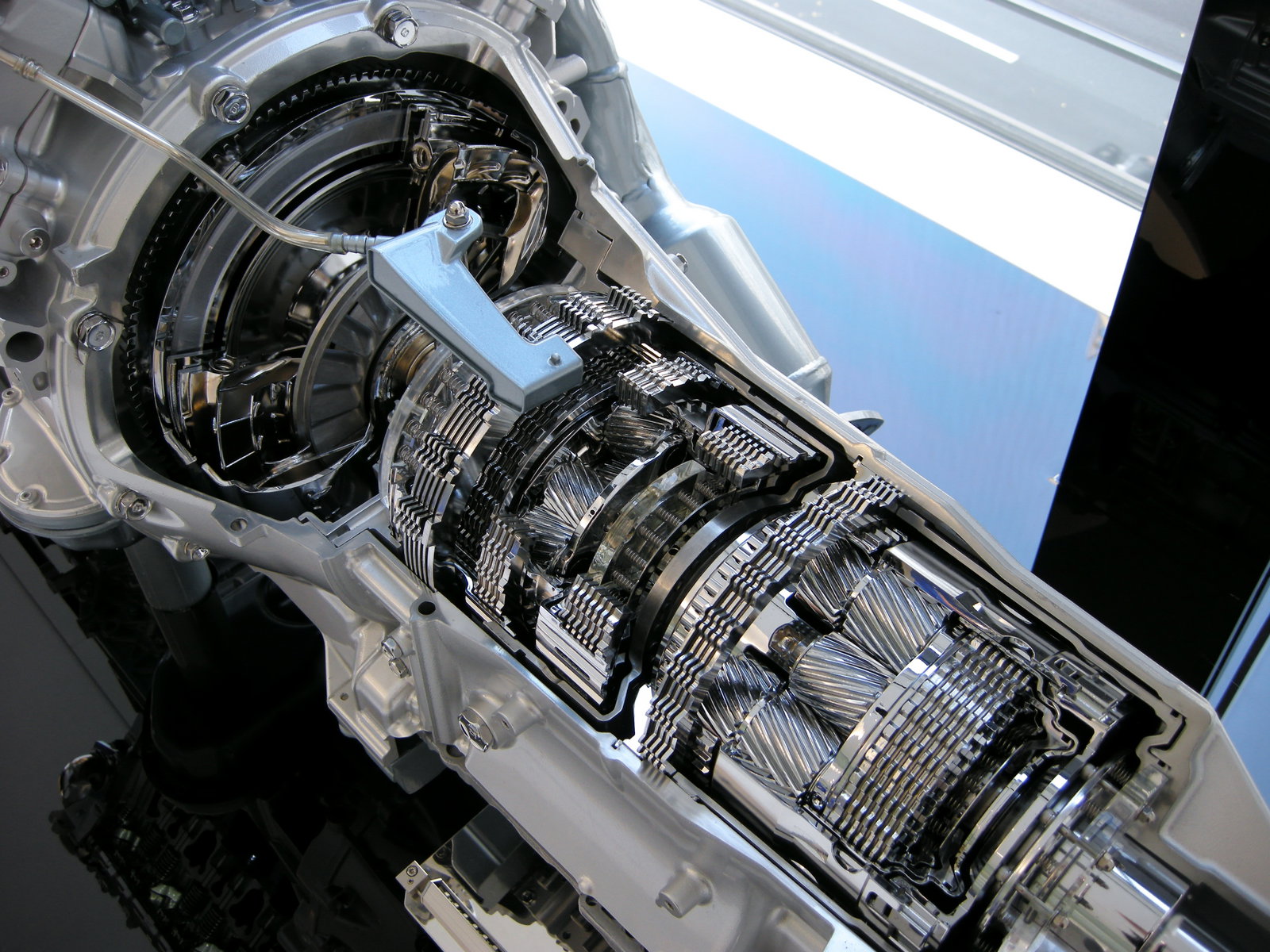
Tested Transmissions in Stock at Elite Crate Motors
At Elite Crate Motors, our approach to transmission purchasing starts with the application.
That’s important because a replacement transmission isn’t a universal component.
The right unit depends on the vehicle and drivetrain it is intended to serve.
When evaluating tested transmissions in stock for sale, buyers should be looking at the complete picture:
- Exact transmission identification
- Vehicle compatibility
- Engine configuration
- Drivetrain
- Transmission type
- Condition
- Testing information
- Included components
- Current availability
- Warranty terms
- Shipping requirements
Our transmission product category gives buyers a place to explore replacement drivetrain options while keeping fitment at the center of the buying decision.
Depending on the vehicle and project, buyers may also need to evaluate related drivetrain components such as replacement engines, crate engines, remanufactured engines, and transmission assemblies.
The important thing is not to assume that one product fits every application.
Need Help Identifying the Correct Transmission?
If you’re uncertain, gather your VIN, transmission identification, engine information, drivetrain configuration and photographs before contacting the sales team.
That information can make the fitment conversation substantially more productive.
And if you’re comparing several tested automatic transmissions, tested manual transmissions, or other replacement transmission options, evaluate the specific unit rather than relying solely on a generic product description.
Frequently Asked Questions About Tested Transmissions
What Does a Tested Transmission Mean?
A tested transmission has undergone some form of inspection or functional verification. The specific process varies by product and seller, so buyers should ask what was actually inspected or tested.
Are Tested Transmissions Reliable?
Testing can provide useful information about a transmission’s condition, but it doesn’t guarantee future performance. Reliability can also depend on fitment, installation, fluid, maintenance, vehicle condition and other drivetrain factors.
How Do I Know If a Transmission Will Fit My Vehicle?
Start with the VIN, year, make, model, engine, drivetrain, transmission type and transmission identification. Where possible, compare the replacement unit against the original transmission’s identification information.
Can I Buy a Transmission Based Only on Year, Make and Model?
Sometimes those details can narrow the search, but they may not uniquely identify the correct transmission. Additional information such as the engine, drivetrain and transmission code can be important.
Is a Tested Transmission Better Than a Used Transmission?
“Tested” and “used” aren’t opposites. A transmission can be used and tested. “Used” describes previous operation, while “tested” describes an inspection or verification process.
What Should I Ask Before Buying a Tested Transmission?
Ask about the transmission’s identification, application, condition, testing process, included components, current availability, warranty terms and shipping requirements.
Does a Transmission Come With a Torque Converter?
It depends on the specific transmission listing. Confirm the included components before purchasing rather than assuming the torque converter is included.
What Is the Difference Between a Tested and Remanufactured Transmission?
A tested transmission has undergone some form of testing or inspection. A remanufactured transmission has undergone a defined restoration process. The exact testing, restoration work and warranty should be evaluated for the specific product.
Where Can I Buy Tested Transmissions for Sale?
If you’re searching for where to buy tested transmissions for sale, start by identifying the exact transmission your vehicle requires. You can then compare available replacement transmission options based on fitment, condition, testing information, availability and warranty.
Final Verdict: Buy the Right Transmission, Not Just the Cheapest Transmission
The smartest transmission purchase isn’t necessarily the cheapest one.
It’s the one where you’ve done enough verification to understand what you’re buying, whether it belongs on your vehicle, what condition it’s in, what was tested, what’s included, and what support or warranty applies.
Before buying tested transmissions in stock for sale, check these seven things:
- Transmission code and identification
- Vehicle and drivetrain compatibility
- What was actually tested
- Condition and history
- Included components
- Availability, warranty and total value
- Shipping and installation requirements
Then go one level deeper when the application requires it.
Look at the bellhousing pattern, input shaft, output shaft, spline configuration, torque converter, transfer-case compatibility, mounting arrangement, sensors, electronics and other application-specific specifications.
That’s how you reduce guesswork.
At Elite Crate Motors, we believe the objective of buying a replacement transmission shouldn’t simply be to find a transmission that is available.
It should be to identify a replacement transmission that is appropriate for the vehicle and project, then verify the details before money and installation time are committed.
Because the most expensive transmission mistake isn’t always buying an expensive transmission.
Sometimes it’s buying the wrong one.
Identify first. Verify second. Buy third.
Next Post: Replacement Small Engines for Generators for Sale: How to Match HP, RPM & Shaft Size

