

When your vehicle needs a replacement engine, finding the right one quickly can make a big difference. A car that will not run can disrupt your daily routine, delay work, or leave a repair shop waiting for the parts it needs to complete a job.
That is why buyers search for in stock engines near me for sale. They want an engine that is available, compatible with their vehicle, and obtainable within a reasonable timeframe.
But there is an important distinction between finding an engine listing online and confirming that the exact engine you need is ready to buy. A product may appear in search results without its current stock status, location, condition, or delivery arrangements being clear.
The safest approach is to verify these details before paying. You also need to check the engine’s identification numbers, configuration, included components, and applicable warranty terms.
At Elite Crate Motors, buyers can explore replacement engine options and evaluate the specifications relevant to their vehicle. This guide explains how to identify suitable listings, confirm actual availability, assess engine condition, and make a more informed purchasing decision.
Whether you are looking for a used engine, a remanufactured assembly, or another replacement engine option, the goal is the same: find an engine that meets your vehicle’s requirements without creating unnecessary delays or unexpected expenses.
What Does “In Stock Engines Near Me for Sale” Actually Mean?
When searching for replacement engines near me, most buyers want to find an engine that can be purchased without an extended sourcing process. However, an online listing does not necessarily tell you where the engine is located or how quickly it can be released.
Understanding the difference between available inventory, special-order products, and shipping arrangements helps you ask better questions before making a purchase.
In-Stock Engines Versus Special-Order Engines
An in-stock engine is generally an engine that a seller has available for sale. However, availability and readiness for dispatch are not always the same thing.
An engine may be available but still require inspection, preparation, packaging, or confirmation of its specifications. Another engine may need to be transferred from a different location before it can be collected or shipped.
A special-order engine may require additional sourcing and therefore have a different expected timeline.
If speed is important, ask the seller to confirm three separate details:
- Availability: Is the exact engine currently available for purchase?
- Readiness: Is it ready for dispatch or collection, or does it require additional preparation?
- Timing: When is it realistically expected to leave the seller’s facility or become available for collection?
These questions help distinguish a product that is genuinely ready to move from one that may require additional steps.
Does “Near Me” Mean the Engine Is Located Nearby?
Not necessarily. Search engines can display businesses and product pages that serve your region even when their inventory is located elsewhere.
Some sellers may offer local collection, while others arrange freight delivery from their own facilities or other locations. The options depend on the business and the specific engine.
If local availability matters to you, confirm the engine’s actual location rather than relying on the wording of the search result.
Ask whether the seller offers collection, whether the engine is physically at the stated location, and whether delivery is available to your address.
If the engine is located farther away, shipping may still be practical. Compare the estimated transit time and total transportation cost with the time and expense of sourcing an engine locally.
Why Confirming Availability Before Paying Matters
Imagine that you arrange a workshop appointment based on an assumed delivery date, only to discover that the engine still needs to be sourced. You may have to reschedule the installation and make alternative transportation arrangements for longer than expected.
This is an illustrative scenario, but it demonstrates why availability should be verified before you commit to a repair schedule.
A direct stock confirmation can help you establish whether the engine is ready, when it can be released, and whether the proposed shipping or collection arrangement suits your needs.
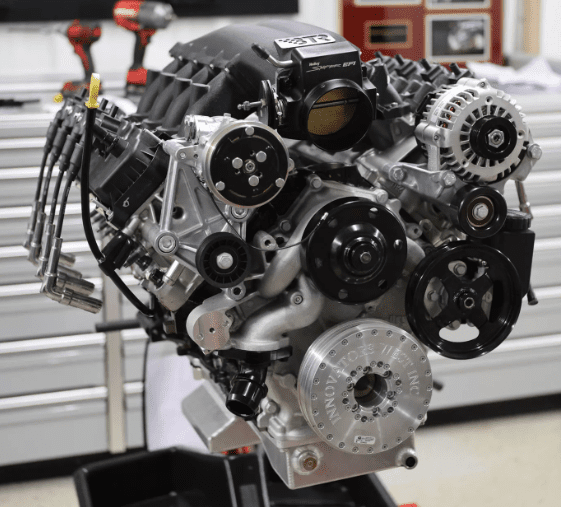
How to Find In-Stock Replacement Engines Near You Quickly
A focused search is more useful than opening dozens of unrelated listings. Start with your vehicle’s details, identify potentially suitable engines, and then verify availability with the seller.
1. Search Using Your Vehicle’s Exact Specifications
Begin with your vehicle’s make, model, model year, and engine configuration. If you know the engine code, include it in your search.
For example, a search using a specific engine code and vehicle year may produce more relevant results than a generic search for car engines.
Depending on your needs, useful search variations include:
- In-stock replacement engines for sale
- Replacement engines available now
- Used engines for sale near me
- In-stock car engines near me
- Replacement engines for my vehicle
- Engines available for immediate purchase
These phrases can help you discover relevant product listings, but they do not prove that a particular engine is available. Treat search results as a starting point for verification.
2. Examine the Product Listing Carefully
Once you find a potential match, review the listing before contacting the seller.
Look for the engine code, displacement, condition, model-year compatibility, included components, and any stated availability information.
Also determine whether the listing describes a specific engine assembly or a broader product category. A category page may contain several engine types, and the availability of one does not establish the availability of all the others.
If a listing does not clearly explain the engine’s condition or configuration, ask for clarification before making a decision.
The more precisely you understand the product, the easier it becomes to compare it with other options.
3. Ask the Seller to Confirm Actual Stock
If you need an engine quickly, do not rely solely on a general statement that a seller carries replacement engines.
Ask about the exact engine you intend to purchase. Confirm whether it is available, where it is located, and whether anything remains to be done before it can be dispatched or collected.
You should also ask whether the seller can confirm the engine’s identification details and included components.
If you are arranging a repair, explain your intended timeframe. The seller can then clarify the available shipping or collection arrangements without you having to assume a particular delivery date.
A useful rule: Do not book installation around an unconfirmed delivery estimate. Confirm the engine and transportation arrangements first.
4. Compare Local Collection With Shipping
Local collection may be convenient when the seller offers it and the engine is ready for release. However, a complete automotive engine is heavy, and transporting it may require suitable equipment and secure loading arrangements.
Freight delivery may be more practical when the seller is outside your immediate area.
Before choosing, compare:
- The engine’s location.
- Whether collection is permitted.
- The expected dispatch or collection date.
- The freight charge and any additional handling fees.
- The delivery address and unloading requirements.
- The estimated arrival date.
Do not assume that a seller offers same-day collection or local delivery unless that option has been confirmed for the specific purchase.
How to Make Sure the Engine Fits Your Vehicle
Finding an engine that is in stock does not guarantee that it is suitable for your vehicle. Compatibility needs to be established independently of availability.
An incorrect engine can lead to installation complications, additional parts costs, and delays that defeat the purpose of finding an engine quickly.
Check Your Vehicle Identification Number (VIN)
The Vehicle Identification Number, or VIN, helps identify your vehicle and is a useful starting point when researching replacement parts.
You can use the National Highway Traffic Safety Administration’s official VIN Decoder to check available vehicle identification information.
However, a VIN lookup should not be treated as a complete engine-fitment guarantee. Vehicles may have different configurations across production periods and markets, and a vehicle’s engine may have been changed previously.
Provide your VIN to the seller when appropriate, but also confirm the engine code and specifications of the replacement assembly.
If the VIN information and the engine currently installed in the vehicle appear inconsistent, investigate the discrepancy before ordering.
Match the Engine Code, Displacement, and Model Year
The engine code can help distinguish between configurations that might otherwise appear similar.
Check the engine manufacturer’s designation, engine family, displacement, production range, and other relevant specifications against your vehicle’s requirements.
Two engines may have the same displacement but differ in mounting arrangements, sensors, fuel-system components, or electronic controls. An engine designed for one configuration may therefore require additional work or may not be suitable for another.
If you are uncertain which engine your vehicle requires, ask a qualified mechanic or a knowledgeable supplier to verify the specifications.
Do not select an engine solely because the model name or advertised displacement matches.
Verify Transmission and Electronic Compatibility
Depending on the vehicle, engine replacement may involve more than fitting the engine block into the engine bay.
Compatibility considerations can include:
- Transmission and bellhousing configuration.
- Engine mounts and mounting points.
- Wiring harnesses and electrical connectors.
- Sensors and engine management systems.
- Intake and exhaust arrangements.
- Fuel-system components.
- Emissions-related equipment.
Not every vehicle requires the same checks, and the relevant details depend on its specific configuration.
Before purchasing, determine whether the replacement engine is intended to work with your vehicle’s existing transmission and electronic systems. Ask whether any components need to be transferred from the original engine.
Emissions requirements may also be relevant. The U.S. Environmental Protection Agency provides information about regulations for on-road vehicles and engines. Where compliance is uncertain, consult a qualified automotive professional familiar with the vehicle and applicable requirements.
Confirm Which Components Are Included
An engine listing may describe a long block, a more complete engine assembly, or a unit supplied without certain accessories. The exact configuration varies by product.
Before ordering, establish what is included and what you will need separately.
Depending on the engine, relevant items may include the cylinder head, intake components, fuel-system components, sensors, wiring, brackets, alternator, starter, or other accessories.
Do not assume that every component shown in a product photograph is part of the sale. Use the written product description and confirmation from the seller to establish what you will receive.
If your mechanic expects a more complete assembly than the seller is offering, identify the difference before arranging installation.

What to Check Before Buying an Engine That Is in Stock
Once you have identified an available engine that appears compatible, compare its condition, documentation, total cost, and purchase terms.
The objective is not simply to find an engine quickly. It is to choose one that meets your requirements and represents an acceptable purchase.
Understand the Difference Between Engine Conditions
Replacement engines are sold in different condition categories. Understanding the terminology helps you compare products more accurately.
New engines: Engines represented as new, subject to the seller’s description and applicable terms.
Used engines: Engines previously used in another application. Their suitability depends on condition, available history, inspection information, and compatibility.
Rebuilt engines: Engines that have undergone repair or reassembly. The scope of the work can vary.
Remanufactured engines: Engines that have undergone a remanufacturing process. The work performed, components replaced, and standards applied should be confirmed with the supplier.
These descriptions should not be treated as interchangeable. Ask what the seller means by the stated condition and what information is available to support it.
For a used engine, ask whether mileage or usage information is available and whether inspection or test records can be provided. For a rebuilt or remanufactured engine, ask what work was performed and what coverage applies.
The appropriate option depends on the engine, your vehicle, your budget, and the evidence available about the product’s condition.
Ask About Inspection and Testing Information
If the seller states that an engine has been inspected or tested, ask what that means for the specific unit.
Depending on the engine and the seller’s process, relevant information may include visual inspection records, test results, operating history, or documentation of work performed.
Do not assume that every used engine has been tested in the same way or that every remanufactured engine has identical procedures.
If the information available is limited, factor that uncertainty into your decision. Ask the seller what is documented rather than relying on an unsupported assurance about the engine’s condition.
Compare the Total Purchase Cost
When comparing in-stock replacement engines for sale, look beyond the listed engine price.
Your total cost may include the engine itself, shipping or freight, handling charges, additional components, and installation-related expenses.
Ask the seller to identify the applicable charges before you commit.
When comparing two engines, make sure they are similar in configuration and condition. A lower advertised price may not represent better value if the engine excludes components you need or requires a different shipping arrangement.
Likewise, a higher price does not automatically establish better quality. Evaluate the actual specifications, condition information, included components, and written terms.
Review Warranty and Return Terms Before Ordering
Warranty and return policies can differ between products and sellers. Read the terms that apply to the specific engine.
Confirm the warranty period, what is covered, what is excluded, and whether any installation or maintenance requirements apply. Check whether labor costs are included or excluded.
For returns, establish the authorization process, eligibility conditions, deadlines, and responsibility for return freight where applicable.
Ask how the seller handles an engine that arrives damaged or is found to have a compatibility issue. Keep the product description, order confirmation, and relevant shipping records.
Do not assume that an engine can be returned after installation or that a warranty automatically covers every related expense. The written terms determine the applicable conditions.
How Quickly Can You Get an In-Stock Engine?
An engine may be available for purchase without being available for immediate collection or delivery. The timeline depends on the seller’s location, preparation requirements, operating schedule, and transportation arrangements.
Same-Day Collection and Dispatch
If time is important, ask whether same-day collection or dispatch is possible.
The answer may depend on whether the engine is ready, whether payment and order checks are complete, and whether the seller can release the engine before the relevant cutoff.
Also distinguish between dispatch and delivery. Dispatch means the shipment leaves the seller or is handed over for transportation; it does not mean the engine has arrived at your destination.
Obtain a realistic timeline for the specific engine rather than assuming that stock status means immediate availability.
Local Delivery Versus Freight Shipping
When searching for engines in stock near me, it is worth comparing the available transportation options.
Local delivery may be offered by some suppliers, while other purchases require freight shipping. The available service depends on the seller, the destination, and the characteristics of the shipment.
Because engines can be heavy or palletized, confirm that the proposed service can accommodate the actual shipment. Ask whether the delivery location needs special access or unloading equipment.
Request the shipping cost, expected dispatch date, and estimated arrival date. If your repair depends on a particular deadline, ask whether the delivery date is an estimate or a service commitment and review the applicable terms.
What Can Cause Delivery Delays?
Several factors can affect the time it takes to receive an engine:
- The engine requires additional preparation.
- The stock status needs further confirmation.
- The order misses the seller’s dispatch cutoff.
- The shipment requires specialized freight handling.
- The destination has access or receiving restrictions.
- Weather or carrier disruptions affect transit.
You cannot eliminate every possible delay, but you can reduce uncertainty by confirming the stock status and transportation arrangements before placing the order.
If a mechanic is waiting for the engine, coordinate the installation schedule with the confirmed delivery plan and allow time to inspect the shipment when it arrives.
Common Mistakes to Avoid When Searching for Engines Near You
Choosing an Engine Only Because It Is Available
Availability is important, but it does not establish compatibility or condition. Check the engine code, configuration, included components, and available condition information before purchasing.
Assuming an Online Listing Guarantees Local Stock
A listing may represent a product category or an engine held at a different location. Confirm the actual location and availability of the specific engine.
Ignoring Shipping and Handling Charges
Compare the complete purchase cost rather than the advertised engine price alone. Confirm freight charges and any additional costs before committing.
Overlooking Warranty and Return Restrictions
Read the written terms and understand the procedure for returns or warranty claims before installation. Do not assume that every product has identical coverage.
Booking Installation Before Confirming the Engine
Coordinate with your mechanic after you have confirmed the engine’s availability and established a realistic collection or delivery schedule. This can help prevent unnecessary rescheduling.

Finding Replacement Engine Options at Elite Crate Motors
Elite Crate Motors is a starting point for buyers researching replacement engine options. When exploring available listings, focus on the specifications, stated condition, included components, and compatibility requirements of the engine you need.
If you are searching for in-stock engines near me for sale, begin by identifying your vehicle’s requirements. Then review relevant engine listings and confirm whether the specific unit is available and ready for the next step.
Before purchasing, establish the following:
- The exact engine code and configuration.
- The engine’s stated condition and included components.
- Whether compatibility has been adequately verified.
- The engine’s availability and location, where relevant.
- The available shipping or collection arrangement.
- The expected dispatch or collection date.
- The applicable purchase, warranty, and return terms.
If a listing does not answer an important question, seek clarification before placing the order. Have a qualified mechanic check any unresolved technical compatibility issues.
You should also confirm the delivery arrangement rather than assuming that every engine qualifies for local collection, immediate dispatch, or next-day arrival.
By evaluating the product and its purchasing terms together, you can make a more informed comparison and avoid relying on assumptions about availability.
Frequently Asked Questions About In-Stock Engines Near Me
How Can I Find In-Stock Engines Near Me for Sale?
Search using your vehicle’s make, model, year, and engine code where available. Review relevant product listings, then contact the seller to confirm the exact engine’s availability, location, condition, and delivery or collection options.
How Do I Know if an Engine Is Really in Stock?
Ask the seller to confirm that the specific engine is available for purchase. Establish whether it is ready for dispatch or collection and whether any additional preparation or sourcing is required.
Can I Pick Up a Replacement Engine From a Local Supplier?
That depends on the supplier’s location, collection policy, operating hours, and the engine’s readiness for release. Confirm collection availability before travelling or arranging transportation.
How Do I Find the Correct Replacement Engine for My Vehicle?
Use the VIN alongside the engine code, model year, displacement, and other relevant specifications. Verify transmission and electronic compatibility, confirm included components, and seek professional fitment advice if the details are uncertain.
Are Used Engines a Good Option?
A used engine may be suitable if its specifications, condition, and available documentation meet your requirements. Review available usage information, inspection records, included components, and the applicable warranty or return terms before deciding.
How Much Does an In-Stock Replacement Engine Cost?
The cost depends on the engine’s specifications, condition, included components, and seller. Shipping, handling, installation, and additional parts may affect the total. Confirm the actual price and applicable charges for the specific engine you intend to buy.
How Long Does It Take to Receive an In-Stock Engine?
The timeline depends on the seller’s location, the engine’s readiness, the shipping or collection arrangement, and the destination. Confirm the expected dispatch date and estimated arrival date rather than assuming that in-stock status means immediate delivery.
What Should I Do if the Engine Arrives Damaged?
Inspect the shipment when it arrives and follow the seller’s and carrier’s reporting procedures. Photograph visible damage, retain the relevant shipping records, and contact the appropriate parties promptly. Follow the applicable instructions before installing or modifying a potentially damaged engine.
Find the Right Replacement Engine Without Unnecessary Delays
Finding in stock engines near me for sale starts with identifying the correct engine and confirming that it is genuinely available. From there, you need to verify compatibility, understand the engine’s condition, compare the total cost, and establish a realistic collection or delivery arrangement.
Before paying, confirm the exact engine specifications, review the written product and warranty information, and resolve any unanswered questions about fitment or availability.
Explore replacement engine options at Elite Crate Motors, compare the relevant product details, and seek clarification wherever necessary.
The right purchase is not simply the engine you can find fastest. It is the engine that meets your vehicle’s requirements, comes with clear purchasing terms, and can be obtained through an arrangement that works for your timeline and budget.
Next Post: Overnight Delivery Engines for Sale: How to Confirm Next-Day Arrival


