

There is one mistake that can turn an exciting engine swap into a stressful money pit.
It is not always choosing the wrong mechanic.
It is not always underestimating labor.
It is not even buying an engine online.
The biggest mistake many buyers make is simple: they buy the wrong engine.
That sounds obvious until you are the person staring at a listing that says “fits BMW,” “fits Toyota,” “compatible with Ford,” or “perfect for engine swap.” The price looks good. The photos look clean. The seller says it should work. You are already imagining the car running again.
Then the engine arrives.
Your mechanic checks the engine code. The mounts do not line up. The wiring is different. The transmission does not match. The ECU does not communicate properly. A sensor connection is missing. The oil pan clearance is wrong. Suddenly, the “good deal” becomes a painful lesson.
That is why learning how to buy correct new engine for car swap is one of the smartest things you can do before spending money.
At Elite Crate Motors, we understand that buyers are not just looking for any engine. They are looking for the right engine. The right fitment. The right condition. The right support. The right balance between price, reliability, and installation confidence.
As a car vendor, one thing becomes clear after dealing with engine buyers: most expensive mistakes happen before the engine is ever installed. They happen when buyers order too quickly, skip the engine code, ignore transmission compatibility, or assume every engine from the same brand will fit the same way.
This guide is written to help you avoid that mistake.
The main product category we are targeting here is New Car Engines, but we will also cover Remanufactured Car Engines, Automatic Transmissions, Manual Transmissions, gearboxes, diesel engines, petrol engines, and model-specific engine options because a proper engine swap is not only about the engine itself.
If you are planning to buy a new engine for car swap, slow down for a few minutes. The right information can save you thousands.
The One Engine Swap Mistake That Can Cost You Thousands
Engine swaps can be exciting.
There is something powerful about giving a vehicle a second life. Maybe your current engine failed. Maybe you are building a project car. Maybe you want more power. Maybe you found a clean vehicle with a bad engine. Maybe you want to avoid buying another car when the one you already own can be repaired.
But here is the truth most buyers learn too late:
Buying the engine is not the hard part.
Buying the correct engine is the hard part.
A lot of buyers start with the wrong question. They ask, “How much is the engine?”
That question matters, but it should not be the first question.
The better question is:
“Will this engine fit my vehicle, work with my transmission, match my wiring, and support my swap goal without creating expensive surprises?”
For broader consumer guidance before paying for major repair work, the FTC’s auto repair basics can help buyers understand repair decisions, mechanic selection, estimates, and consumer precautions.
That question is the difference between smart buying and expensive guessing.
At Elite Crate Motors, buyers can explore New Car Engines when they want a fresh replacement option, Remanufactured Car Engines when they want dependable rebuilt value, and related drivetrain categories like Automatic Transmissions, Manual Transmissions, and gearboxes when the full swap requires more than just the engine.
The smartest engine swap starts before the engine is ordered.
Why Engine Swaps Go Wrong Before Installation Even Starts
Most engine swap problems do not start in the workshop.
They start during the buying process.
A buyer sees an engine listed online. The title looks close. The price looks attractive. The seller may even say it came from the same brand of car. The buyer assumes it will work.
But engines are not universal blocks of metal.
They are tied to mechanical systems, electrical systems, fuel systems, cooling systems, emissions systems, transmissions, and vehicle computers. When one of those pieces does not match, the swap becomes harder, slower, and more expensive.
Buyers Often Shop by Vehicle Name Only
This is one of the most common mistakes.
A buyer may search for “Toyota engine,” “Ford engine,” “BMW engine,” “Mercedes engine,” or “Honda engine” and think that is enough.
It is not.
A vehicle name can cover several engine variants. Two cars with the same model name can have different engines depending on year, country, trim, fuel type, drivetrain, and transmission.
For example, saying you need a BMW engine is too broad. Saying you need a BMW N57D30A engine is more specific. Saying you need a Mercedes diesel engine is too broad. Saying you need a Mercedes OM642 engine is clearer. The same applies to a Volkswagen BMM engine, Kia D4EA engine, or Nissan ZD30DDTI engine.
When trying to buy correct new engine for car swap, you need to confirm more than the vehicle brand.
You need to check the vehicle year, make, model, engine code, displacement, fuel type, transmission type, drivetrain, ECU requirements, wiring harness compatibility, mounting points, and emissions requirements.
This may sound like a lot, but it is much cheaper to check before ordering than to discover the problem after delivery.
The Cheapest Engine Can Become the Most Expensive Mistake
Many buyers get excited over a cheap engine listing and ignore the details.
The thinking is simple: “This one is cheaper. Let me grab it before someone else does.”
That feeling is understandable. Nobody wants to overpay.
But with engines, cheap without compatibility is dangerous.
A wrong engine can lead to return shipping costs, wasted mechanic labor, extra parts, installation delays, custom fabrication, wiring problems, ECU issues, and frustration.
That is why a buyer searching for new engine for car swap with warranty should look beyond the price. Warranty, fitment, product condition, supplier support, and compatibility matter just as much.
A low price is only a good deal if the engine is correct.
What Does It Mean to Buy the Correct New Engine for a Car Swap?
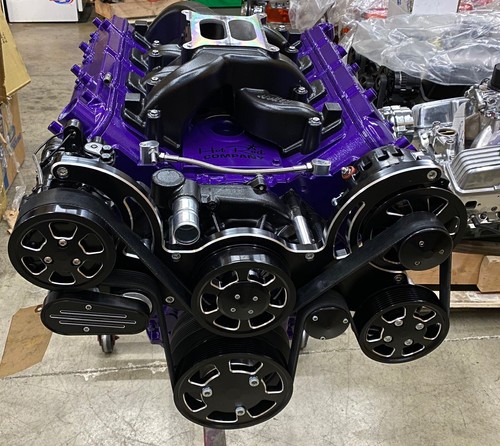
To buy correct new engine for car swap means choosing an engine that matches your vehicle’s mechanical, electrical, fuel, drivetrain, and installation requirements.
It does not only mean the engine is new.
It does not only mean the engine has good horsepower.
It does not only mean it came from the same manufacturer.
It means the engine can realistically work with your swap plan without creating unnecessary problems.
Correct Engine Means More Than Horsepower
Many buyers focus on horsepower first.
That makes sense, especially for project builds. More power sounds exciting. A bigger engine sounds better. A performance upgrade feels like a win.
But horsepower does not matter if the engine cannot be installed properly.
Before power, think fitment.
Before excitement, think compatibility.
Before price, think total cost.
A correct engine should match or be properly adaptable to your vehicle’s engine bay, transmission, mounts, wiring, ECU, cooling system, fuel system, exhaust routing, and inspection requirements.
If you are doing a direct replacement, the goal is usually to match the original engine as closely as possible.
If you are doing a custom swap, the goal is different. You may need extra planning, custom mounts, wiring changes, ECU tuning, transmission pairing, driveshaft adjustments, fuel system modifications, cooling upgrades, and inspection checks.
That is why car swap engine compatibility should be one of your main concerns before buying.
The Correct Engine Should Match Your Swap Goal
Not all engine swaps have the same purpose.
Some buyers want to replace a failed engine and restore daily-driver reliability.
Some want a stronger diesel engine for towing.
Some want a petrol engine for smoother performance.
Some want a project car build.
Some want to keep the vehicle close to factory condition.
Some want better performance.
Some want a budget-friendly repair.
The engine you choose should match the goal.
If your goal is daily-driver reliability, choose the closest correct replacement engine with confirmed fitment.
If your goal is performance, make sure the rest of the vehicle can support the added power.
If your goal is budget control, a remanufactured engine may make more sense than a brand-new engine.
If your goal is a full drivetrain refresh, you may also need to compare Automatic Transmissions, Manual Transmissions, and gearboxes.
That is how smart buyers think.
Elite Crate Motors’ Vendor Advice: Confirm These Details Before Ordering
The best time to prevent engine swap problems is before the engine leaves the supplier.
Once the engine is shipped, every mistake becomes more expensive.
So before you order from Elite Crate Motors or any trusted engine supplier, confirm the details below.
1. Confirm Your Engine Code
The engine code is one of the most important details in any engine purchase.
It helps identify the specific engine variant your vehicle uses. This is critical because one vehicle model can use multiple engine types.
If you want to buy correct new engine for car swap, start with the engine code.
Examples of engine codes and model-specific references include the Mercedes OM642 engine, BMW N57D30A engine, Volkswagen BMM engine, Kia D4EA engine, and Nissan ZD30DDTI engine.
These codes help narrow the search and reduce the risk of ordering the wrong engine.
You can usually find the engine code on the engine block, vehicle documents, service records, VIN information, or through your mechanic.
Do not skip this step.
2. Match the Vehicle Year, Make, and Model
Vehicle year matters more than many buyers realize.
A car manufacturer may change engine variants, wiring systems, emissions setups, or transmission pairings between model years. Sometimes the difference looks small on the outside, but under the hood, it matters.
That is why a proper engine swap fitment guide always starts with year, make, model, and engine code.
If your vehicle is a 2012 model, do not assume a 2015 engine from the same model line will work without checking.
If your vehicle is diesel, do not assume a petrol version shares the same mounting, wiring, or transmission setup.
If your vehicle has an automatic transmission, do not assume a manual transmission engine package will match everything easily.
Details protect your money.
3. Check Fuel Type and Displacement
Fuel type matters.
A petrol engine and diesel engine have very different systems. They use different fuel delivery, ignition, compression, sensors, exhaust components, and often different electronics.
Displacement also matters.
A 1.6L engine may not match the same components as a 2.0L engine even if both came from the same vehicle family. A 3.0L diesel may have different mounts, cooling needs, turbo setup, and transmission pairing compared to a smaller engine.
When comparing new car engines for sale, do not only look at the brand name. Look at the fuel type and displacement too.
This is especially important for diesel engines like the Mercedes OM642, BMW N57D30A, Nissan ZD30DDTI, Volkswagen BMM, and Kia D4EA.
4. Confirm Transmission Compatibility
This is where many engine swap buyers get trapped.
The engine might fit the bay, but will it work with your transmission?
Will the bellhousing match?
Will the torque converter or clutch setup work?
Will the ECU communicate properly?
Will the mounts and drivetrain alignment work?
If your vehicle has an automatic transmission, you may need to check compatibility with Automatic Transmissions and related components. If it has a manual setup, you may need to confirm the right Manual Transmissions, clutch, flywheel, gearbox, and linkage requirements.
An engine swap is not just engine-to-car. It is engine-to-drivetrain.
Elite Crate Motors offers related categories like Automatic Transmissions, Manual Transmissions, and gearboxes because many buyers need more than the engine to complete a reliable repair or swap.
5. Ask What Comes With the Engine
Not every engine is sold the same way.
Some engines may be sold as long blocks. Some may come as more complete assemblies. Some may include accessories. Some may not.
Before you buy, ask what is included.
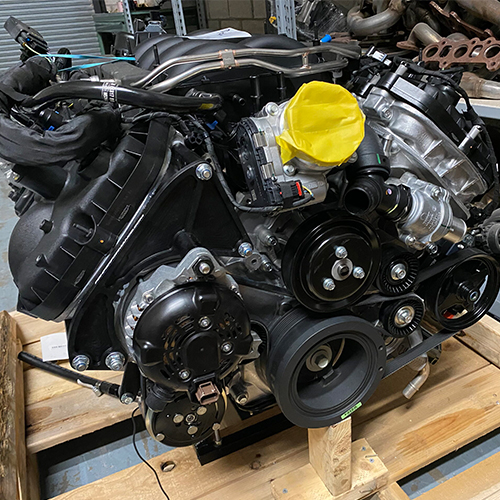
Important items may include intake manifold, exhaust manifold, turbocharger, starter, alternator, sensors, fuel injectors, wiring harness, ECU, engine mounts, oil pan, flywheel or flexplate, accessories, and brackets.
This matters because missing parts can increase the total swap cost.
A buyer may think they found discount new car engines online, but if the engine arrives without the needed components, the final cost may rise quickly.
6. Review Warranty and Return Terms
Warranty is not just a nice extra.
It is part of the buying decision.
When searching for buy new engine for car swap online, always check warranty and return terms before paying.
Ask what the warranty covers, how long it lasts, whether installation must be done by a professional mechanic, what documentation is required, what happens if the engine is not compatible, who pays return shipping, and which parts or situations are excluded.
Clear terms help protect both the buyer and the supplier.
A trustworthy engine purchase should not feel like a gamble.
New Engine vs Remanufactured Engine for a Car Swap
One of the biggest decisions buyers face is whether to choose a new engine or a remanufactured engine.
Both can make sense.
The right choice depends on your budget, the vehicle’s value, your swap goal, and how long you plan to keep the car.
When a New Engine Is the Better Swap Choice
A new engine is often the best choice when you want long-term confidence.
If the vehicle is important to your daily life, your work, your family, or your business, a new engine can give you a cleaner foundation.
Buyers who choose New Car Engines usually want fewer unknowns. They may be restoring a valuable vehicle, replacing a failed engine in a car they plan to keep, or building a dependable platform for long-term use.
A new engine may be the right choice if you want a fresh replacement, plan to keep the vehicle for years, want daily-driver confidence, want fewer unknown history concerns, have a vehicle that is still valuable, or want a clean project foundation.
For these buyers, the goal is not just to get the engine running. The goal is to get the vehicle back with confidence.
When a Remanufactured Engine Makes More Sense
A remanufactured engine can be a strong option for buyers who want value.
A remanufactured engine has typically been disassembled, inspected, cleaned, repaired, rebuilt, and tested according to the supplier’s process. It is not the same as buying a random used engine with unknown history.
For many buyers, Remanufactured Car Engines offer a smart middle ground.
They can cost less than new engines while offering more confidence than a used engine pulled from another vehicle.
A remanufactured engine may be a better choice if you want dependable rebuilt performance, need to control the repair budget, have an older vehicle that is still worth repairing, want more confidence than a used engine, or are doing a practical replacement rather than a high-budget build.
Buyers looking for remanufactured engines for car swap should still confirm engine code, warranty, fitment, and installation requirements before ordering.
Used Engines and Performance Engines
A used engine can be attractive because of the lower upfront price.
But used engines come with more unknowns. Mileage, maintenance history, storage condition, testing, and previous damage all matter.
A performance engine can be exciting, but it often requires supporting upgrades. More power may require stronger transmissions, upgraded cooling, different fuel systems, better brakes, revised suspension, custom wiring, ECU tuning, and inspection planning.
That is why the best engine is not always the most powerful or the cheapest.
The best engine is the one that fits your goal and your budget without creating avoidable problems.
The Engine Swap Compatibility Checklist
A good engine swap checklist can save you from expensive surprises.
Before ordering, check three major areas: mechanical compatibility, electrical compatibility, and system compatibility.
Mechanical Compatibility
Mechanical compatibility is about whether the engine can physically work in the vehicle.
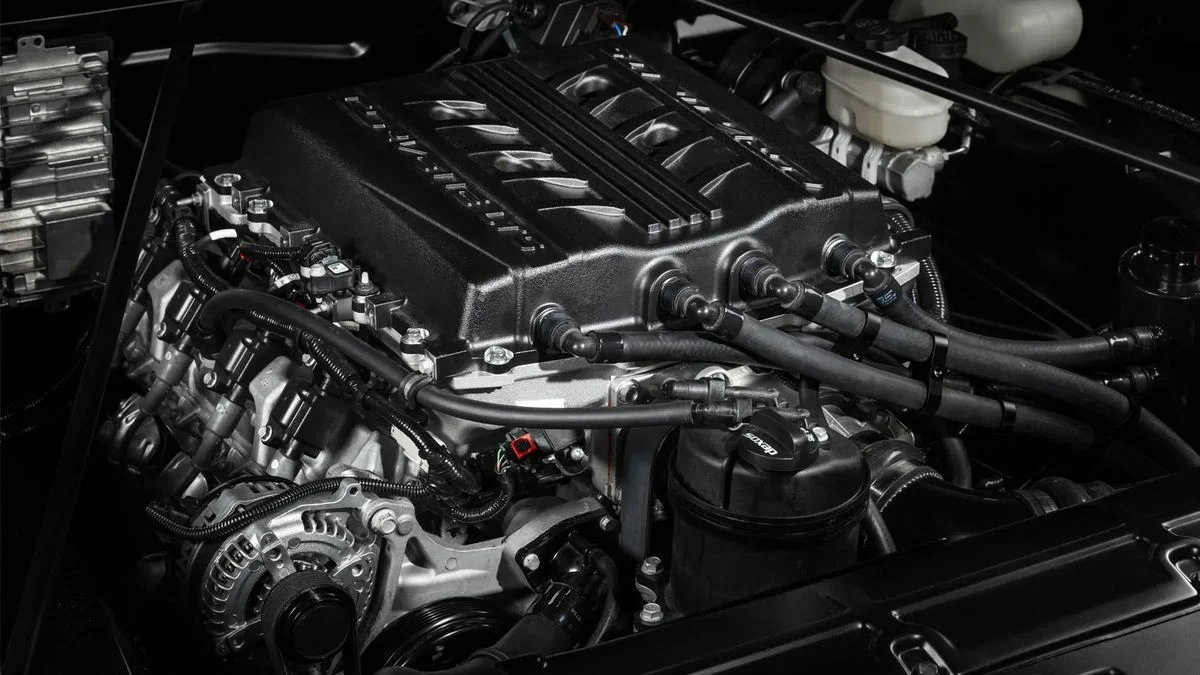
Check the engine mounts, transmission bellhousing, exhaust routing, oil pan clearance, cooling system layout, drivetrain position, intake clearance, accessory placement, steering clearance, suspension clearance, and engine bay space.
A small difference can become a big problem during installation.
For example, an oil pan that fits one vehicle layout may not clear another crossmember. A manifold may hit a steering component. A mount location may be different. These are the details that matter when choosing a new engine for car swap.
Electrical Compatibility
Modern engines depend heavily on electronics.
That means the wiring harness, ECU, sensors, immobilizer, dashboard communication, fuel injection system, and transmission controls all matter.
If the engine is electronically different from your vehicle, the swap may require more work.
Electrical compatibility can be one of the hardest parts of a swap because the engine may physically fit but still refuse to run correctly.
Before buying, ask your mechanic whether your existing wiring and ECU can work with the engine you are considering.
If not, find out what extra parts are needed.
Fuel and Cooling Compatibility
Fuel and cooling systems protect the engine.
If these systems are not correct, even a good engine can fail.
Check the fuel pump, injectors, fuel lines, radiator, hoses, thermostat, water pump, cooling fans, intercooler if applicable, and turbo plumbing if applicable.
A diesel swap and petrol swap may have very different needs. A turbocharged engine may require more cooling and different intake/exhaust planning.
If your previous engine failed because of overheating, do not install the new engine without checking the cooling system.
That is how people damage a replacement engine and then blame the engine.
A good mechanic will diagnose why the old engine failed before installing the new one.
Emissions and Inspection Requirements
Engine swaps can be affected by local rules, inspections, and emissions requirements.
This can vary depending on where the vehicle is registered.
Before changing engine type, fuel type, or emissions components, check the rules that apply to your location.
This is especially important for diesel engines, emissions equipment, ECU changes, and performance builds.
A swap that runs well but fails inspection can still become a problem.
Common Car Swap Engine Mistakes Buyers Should Avoid
Now let’s talk about the mistakes that cost buyers the most money.
Mistake 1: Buying Based on Price Alone
Price matters, but it should not control the whole decision.
A cheap engine with poor details, no warranty clarity, uncertain compatibility, or missing components can become expensive.
When comparing best engine for car swap, look at total value.
That includes condition, fitment, warranty, included parts, shipping, return terms, and mechanic approval.
Mistake 2: Ignoring the Engine Code
Engine code mismatch is one of the easiest mistakes to avoid.
Still, many buyers skip it.
They assume the model name is enough. Then the engine arrives and the mechanic finds differences.
Do not buy until you confirm the engine code.
This is especially important for buyers searching engine code compatibility because similar vehicles can use different engines across model years and markets.
Mistake 3: Forgetting Transmission Compatibility
An engine that does not pair correctly with your transmission can create major issues.
Automatic and manual setups may require different parts. Bellhousing patterns, flywheels, flexplates, torque converters, clutch systems, sensors, and ECU communication can all matter.
If you are not sure, ask your mechanic before ordering.
Elite Crate Motors also offers Automatic Transmissions, Manual Transmissions, and gearboxes for buyers who need drivetrain parts alongside the engine.
Mistake 4: Assuming Accessories Are Included
Do not assume the engine comes with every accessory shown in a photo.
Some photos may show components that are not included. Some listings may be for the engine only. Some may require you to reuse parts from your old engine.
Ask before buying.
Missing accessories can increase installation cost.
Mistake 5: Not Involving the Mechanic Before Ordering
Your mechanic should be part of the decision before the engine is ordered.
A good installer can help confirm engine code, transmission compatibility, wiring requirements, mounting concerns, and extra parts needed.
This protects you.
Many swap problems happen because the buyer orders first and asks the mechanic later.
Reverse that.
Ask first. Buy second.
Mistake 6: Not Diagnosing Why the Old Engine Failed
This is a major one.
If your old engine failed because of overheating, oil starvation, coolant contamination, turbo failure, bad fuel delivery, or timing issues, the replacement engine could face the same danger if the root cause is not fixed.
Before installing a replacement engine, your mechanic should inspect related systems.
A new engine cannot survive a bad cooling system.
A good engine cannot survive oil starvation.
A replacement engine should not be installed blindly into a vehicle that still has unresolved problems.
Best Engine Types for Different Swap Goals
Different buyers have different goals. The right engine depends on what you want the vehicle to do after the swap.
Best for Daily-Driver Reliability
For daily driving, the best choice is usually the closest correct replacement engine.
This means matching the original engine code, fuel type, displacement, transmission compatibility, and electronic systems as closely as possible.
If your goal is reliability, avoid unnecessary complexity.
A direct replacement using the right New Car Engines category is often the cleanest path.
Best for Budget-Conscious Swaps
For budget-conscious buyers, Remanufactured Car Engines can be a practical option.
They may cost less than new engines while offering more confidence than random used engines.
This is ideal for buyers who want the vehicle back on the road without overspending.
Still, the same rule applies: confirm compatibility first.
Best for Diesel Replacement Swaps
Diesel buyers often care about torque, fuel efficiency, towing ability, and long service life.
Common diesel engine examples include the Mercedes OM642 engine, BMW N57D30A engine, Nissan ZD30DDTI engine, Volkswagen BMM engine, and Kia D4EA engine.
Diesel swaps require careful attention to fuel system, turbo setup, ECU, emissions, cooling, and transmission pairing.
Do not treat diesel engines as simple plug-and-play purchases unless your mechanic confirms it.
Best for Petrol Engine Swaps
Petrol engines are common for daily drivers, performance builds, and smoother driving applications.
Buyers may search for Ford petrol engines, Toyota petrol engines, Honda petrol engines, Nissan petrol engines, BMW petrol engines, or Mercedes petrol engines.
For petrol swaps, check engine code, displacement, sensors, ECU, fuel delivery, mounts, and transmission setup.
Best for Full Drivetrain Repair
Sometimes the problem is bigger than the engine.
If your vehicle has engine and drivetrain issues, you may also need to review Automatic Transmissions, Manual Transmissions, gearboxes, and replacement auto parts.
This is where sourcing from a supplier like Elite Crate Motors can help because buyers can compare engine and drivetrain categories together.
Why Buying From Elite Crate Motors Helps Reduce Swap Risk
A good engine supplier does not only sell engines.
A good supplier helps buyers think more clearly before they buy.
Elite Crate Motors gives buyers access to categories like New Car Engines, Remanufactured Car Engines, Automatic Transmissions, Manual Transmissions, gearboxes, and replacement auto parts.
That range helps buyers compare the right product for their repair or swap goal.
Access to Multiple Engine Categories
Not every buyer needs the same engine solution.
Some need a brand-new replacement engine.
Some need a remanufactured engine.
Some need a diesel replacement.
Some need a petrol engine.
Some need a transmission or gearbox too.
Elite Crate Motors supports buyers who are comparing different paths before they order.
That is important because the best buying decision is not always obvious at first.
Product Details Help Buyers Compare Correctly
Strong product details matter.
Buyers should look for information about engine condition, compatibility, specifications, warranty, shipping, and what is included.
The more information you have, the easier it is to make a confident decision.
When buyers search trusted supplier to buy correct new engine for car swap, they are not only looking for inventory. They are looking for clarity.
That is the standard a serious engine supplier should meet.
Better Buying Control Than Dealership-Only Sourcing
Dealership sourcing can be convenient, but it may not be the most flexible or affordable option for every buyer.
When you buy from a specialist supplier, you can compare engine options directly, review categories, speak with your mechanic, and decide what works best for your vehicle and budget.
You are not locked into one dealership quote.
For buyers trying to buy new replacement engine online, that control can make a big difference.
Questions to Ask Before Buying a New Engine for a Swap
Before ordering, ask these questions:
What is my current engine code?
Is this a direct replacement or a custom swap?
Will my existing transmission fit?
Do I need the ECU?
Do I need the wiring harness?
What accessories are included?
Is the engine new, remanufactured, or used?
What warranty applies?
What does my mechanic recommend?
Are there emissions or inspection requirements?
Before starting a major repair or swap, it is also smart to check for open recalls using your vehicle information.
What is the total cost including shipping and installation?
What caused my old engine to fail?
Do I need additional parts before installation?
If you cannot answer these questions yet, you are not ready to order.
That may sound strict, but it protects your money.
The best buyers are not the ones who rush.
The best buyers are the ones who prepare.
FAQs About Buying the Correct New Engine for a Car Swap
How Do I Buy the Correct New Engine for a Car Swap?
To buy correct new engine for car swap, confirm your engine code, vehicle year, make, model, fuel type, displacement, transmission compatibility, wiring and ECU requirements, included accessories, warranty terms, and mechanic approval before ordering.
Can I Buy a New Engine Online for a Car Swap?
Yes. Buyers can purchase new car engines for sale online from a trusted supplier like Elite Crate Motors, but compatibility must be verified first. Do not buy based only on price or vehicle name.
Is Engine Code Important for a Car Swap?
Yes. Engine code is one of the most important details in an engine swap. Similar vehicles can use different engine variants, and the wrong code can create fitment, wiring, transmission, and installation problems.
Should I Buy a New or Remanufactured Engine for a Swap?
A new engine is usually best for long-term confidence and fresh replacement value. A remanufactured engine may be better for buyers who want rebuilt performance at a more affordable price. Both options require fitment confirmation.
Do I Need a New Transmission for an Engine Swap?
Not always. But transmission compatibility must be checked before ordering the engine. Some swaps may work with the existing transmission, while others may require a compatible automatic transmission, manual transmission, gearbox, clutch, flywheel, torque converter, or ECU changes.
What Is the Biggest Mistake Buyers Make When Buying an Engine for a Swap?
The biggest mistake is buying based on price or vehicle name alone without confirming engine code, fitment, transmission compatibility, wiring requirements, and installation needs.
Are Remanufactured Engines Good for Car Swaps?
Yes, remanufactured engines can be good for car swaps when they are properly rebuilt, tested, and matched to the vehicle. They can offer strong value compared to new engines, especially for budget-conscious repairs.
What Should My Mechanic Check Before Installing a Swap Engine?
Your mechanic should check engine code, mounts, transmission fitment, wiring, ECU, sensors, cooling system, fuel system, oil system, exhaust routing, and the cause of the old engine failure before installation.
Can Elite Crate Motors Help With Engine and Drivetrain Options?
Elite Crate Motors offers New Car Engines, Remanufactured Car Engines, Automatic Transmissions, Manual Transmissions, gearboxes, and related auto parts, giving buyers more options when planning a replacement or engine swap.
Final Advice: Do Not Just Buy an Engine, Buy the Right Engine
An engine swap can bring a vehicle back to life.
But only if the engine is correct.
Do not let price, excitement, or pressure push you into a rushed decision. The smart buyer checks engine code. The smart buyer confirms fitment. The smart buyer asks about transmission compatibility. The smart buyer reviews what is included. The smart buyer checks warranty terms. The smart buyer talks to the mechanic before ordering.
That is how you avoid the costly mistake most buyers make.
If you want to buy correct new engine for car swap, start with the right information and choose a supplier that understands engine replacement, fitment, and buyer confidence.
Elite Crate Motors gives buyers access to New Car Engines, Remanufactured Car Engines, Automatic Transmissions, Manual Transmissions, gearboxes, and replacement auto parts so they can plan a smarter swap from the beginning.
Because the goal is not just to make the engine arrive.
The goal is to make the engine fit, run, and give your vehicle a real second life.
Next Post: Buy New Car Engines Without Dealership Markup: The Smart Buyer’s Secret

