

If you’ve ever watched a clean launch—RPM locked, clutch released, tires hooking just enough—you already know why launch control is tempting. The problem is that most of what you see online is filmed in automatic or dual-clutch cars, not manuals.
At Elite Crate Motors, we don’t just sell engines—we deal with what happens after launches go wrong. Every month, we handle support calls from customers who were confident their car was manual transmission launch control compatible, right up until a clutch failed, a gearbox chipped a tooth, or an axle snapped.
The pattern is always the same:
“Launch control worked perfectly… until it didn’t.”
This article exists to explain why that happens, what actually defines a manual transmission launch control compatible vehicle, and how experienced builders avoid expensive mistakes.
Are you looking to get crate engines and complete powertrain solutions.
Why Launch Control and Manual Transmissions Are Fundamentally Different
Launch control was designed around computer-controlled engagement. In automatics and DCTs, the system manages torque delivery, clutch timing, and load transfer simultaneously.
Manual transmissions don’t have that safety net.
In a manual car, launch control only does one thing:
it limits RPM.
Everything else—the shock load, clutch engagement speed, drivetrain stress—is controlled by the driver and the hardware.
That’s why “manual transmission launch control compatible” isn’t a feature checkbox. It’s a mechanical reality.
What Launch Control Actually Does (and What It Does Not)
What Launch Control Handles
- RPM limiting
- Throttle smoothing (in some ECUs)
What It Does Not Handle
- Clutch engagement
- Gear shock
- Axle loading
- Differential stress
This distinction matters. Many drivetrain failures we see occur because drivers assume launch control “protects” components. It doesn’t. It only standardizes RPM.
That’s why searches like “is launch control safe for manual transmission” keep climbing—people are learning this after the fact.
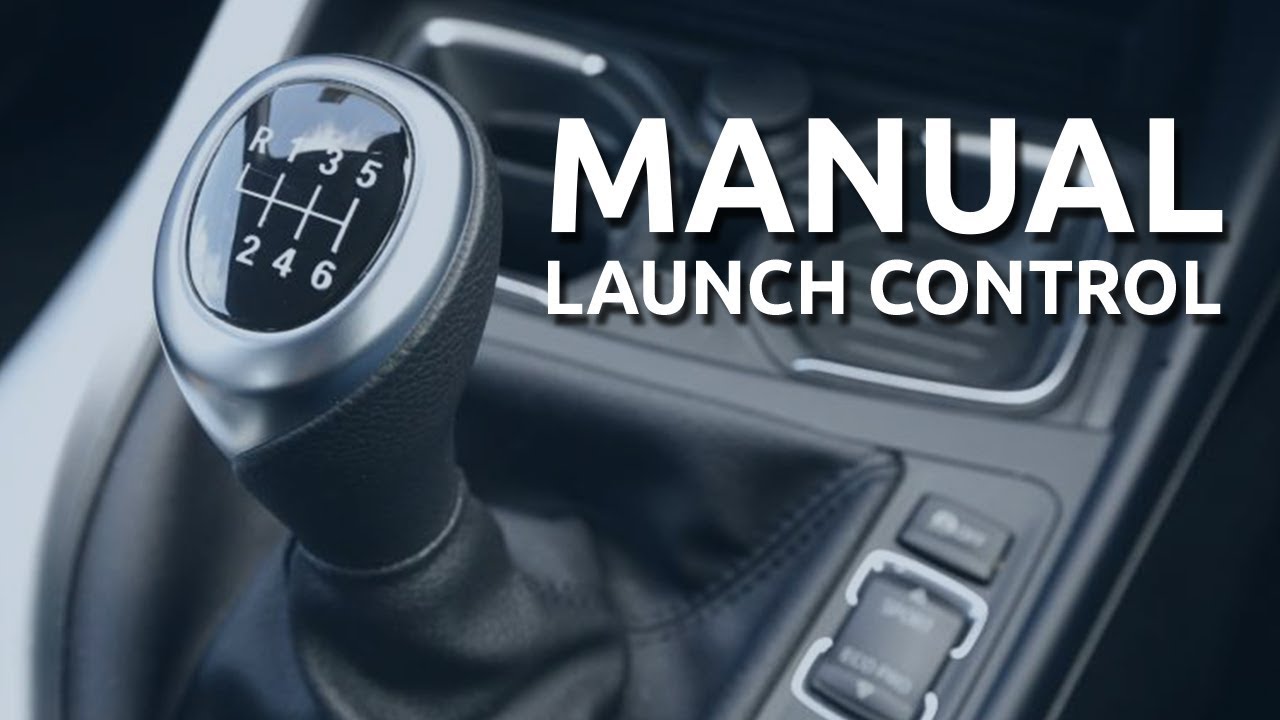
What “Manual Transmission Launch Control Compatible” Really Means
Here’s the definition we use internally when advising customers:
A manual vehicle is launch-control compatible only if every downstream component can repeatedly absorb instantaneous torque without failure.
That includes software, engine characteristics, and physical hardware. Also read about manual transmission load and torque limits.
ECU and Calibration Requirements
From real-world cases, a compatible setup requires:
- Vehicle-specific ECU tuning
- Conservative RPM targets
- Smooth torque ramp-in
Generic launch control maps are a common cause of drivetrain damage. We see this frequently in cars that “feel fine” for a few launches and then fail weeks later.
Drivetrain Strength Is the Real Limiter
One of the clearest patterns we see:
Cars with moderate horsepower but weak drivetrains fail faster than higher-power cars built correctly.
Key failure points include:
- Stock clutches not rated for repeated heat cycles
- Lightweight flywheels increasing shock load
- Manual gearsets not designed for drag-style launches
- Open differentials allowing wheel hop
If any of these are marginal, the car is not manual transmission launch control compatible—regardless of ECU capability.
Traction and Chassis Matter More Than Most Guides Admit
Wheel hop is not a nuisance. It’s destructive.
We’ve diagnosed multiple failures where the root cause wasn’t power—but uncontrolled drivetrain movement caused by:
- Soft engine mounts
- Weak suspension bushings
- Improper alignment
Launch control amplifies weaknesses. It does not hide them.
Vehicles Commonly Mistaken as Launch Control Compatible
Factory Performance Manuals
Some manufacturers include limited launch logic in manual cars. These systems are intentionally conservative and often restricted in usage frequency.
Why?
Because manufacturers understand the wear cost of repeated shock loads.
Modified Vehicles With Aftermarket Launch Control
Aftermarket ECUs can enable launch control on almost any manual car.
Compatibility depends on:
- Clutch capacity
- Gear design
- Differential type
- Torque curve
We routinely advise customers to delay using launch control until drivetrain upgrades match engine output.
Vehicles That Work Once—but Fail Later
One clean launch proves nothing.
Most failures we see occur:
- After repeated launches
- After traction improves
- After engine upgrades
This explains why “what breaks during launch control manual transmission” is such a common search query.
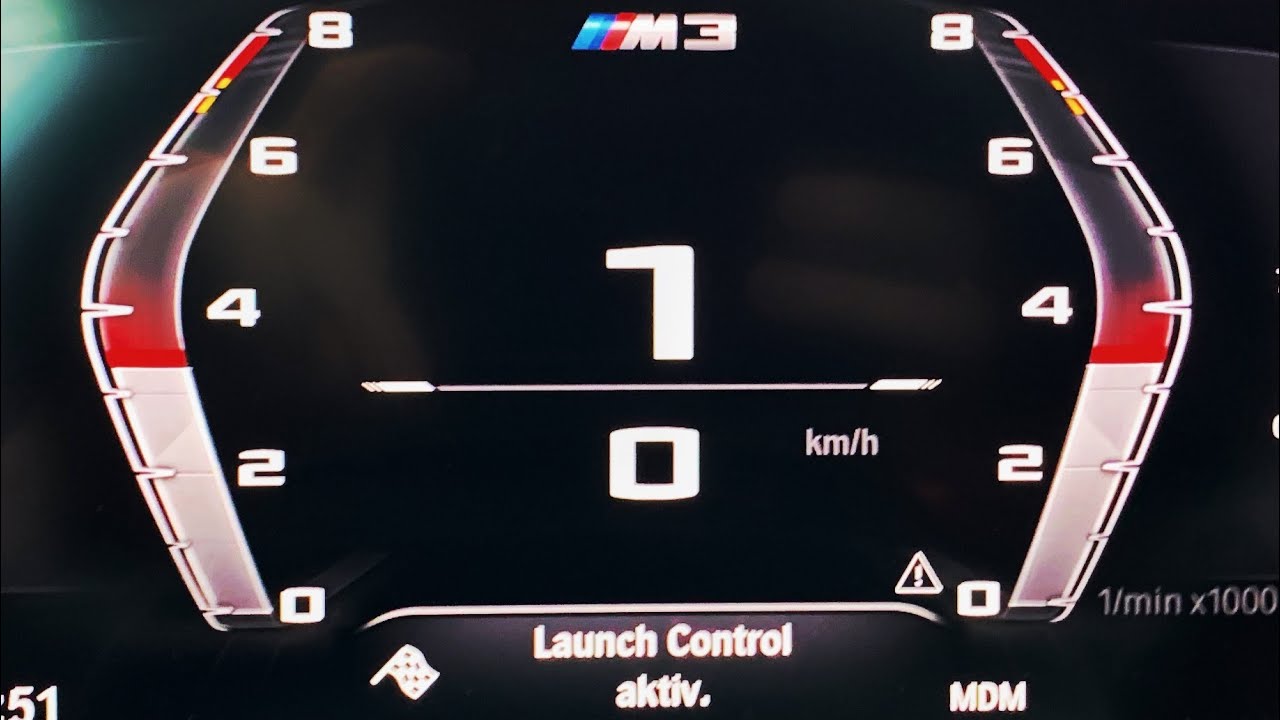
What Actually Breaks First (Based on Real Failures)
Clutches and Flywheels
Most failures begin here.
Symptoms include:
- Heat glazing
- Slippage under load
- Burnt friction material
Stock clutches are designed for drivability—not repeated thermal shock.
Manual Transmissions
Gearboxes fail through:
- Tooth chipping
- Synchro damage
- Input shaft stress
These failures often appear months later, which is why launch control is frequently blamed incorrectly.
Axles, Differentials, and Mounts
Once traction improves, shock load moves downstream.
We’ve seen:
- Axles snap cleanly
- Differential housings crack
- Mounts tear under load
You can also learn about drivetrain stress and component failure.
Engine Choice Matters More Than Most People Realize
Torque Curve > Peak Horsepower
From thousands of customer builds:
Low-RPM torque breaks parts faster than high-RPM horsepower.
Engines that hit hard at low RPM place enormous stress on manual drivetrains during launch.
Turbo vs Naturally Aspirated
- Turbo engines can be tuned to soften initial torque
- Naturally aspirated engines often deliver torque instantly
That instant delivery increases shock load.
Engine Swaps Change Everything
This is critical:
A new engine—even at similar horsepower—changes launch behavior.
At Elite Crate Motors, we regularly see launch issues appear only after engine replacement, because torque delivery no longer matches drivetrain assumptions. We offer remanufactured engines designed for performance builds.

Common Mistakes We See as a Vendor
- Launching before engine break-in
- Adding launch control without drivetrain upgrades
- Assuming ECU limits equal mechanical protection
Launch control does not bend physics.
How to Know If Your Vehicle Is Truly Compatible
Ask:
- Is my clutch rated for repeated launches?
- Has this transmission survived similar torque loads?
- Is wheel hop fully controlled?
- Is launch RPM conservative—not aggressive?
If any answer is uncertain, the setup is not yet safe.
Safe Launch Practices That Actually Work
- Use lower launch RPM than internet advice suggests
- Modulate clutch release—never dump it
- Limit launch frequency
- Allow drivetrain cooling
The longest-lasting performance cars are not the most abused ones.
Practical Buying Advice From Elite Crate Motors
When customers plan:
- Engine upgrades
- Engine replacements
- Power increases
we advise designing the entire system, not chasing features.
That’s why we focus on:
- Crate engines matched to drivetrain limits
- Remanufactured engines balanced for durability
- Complete powertrain compatibility
Horsepower is easy to buy. Reliability is engineered.
Frequently Asked Questions
Are manual transmission launch control compatible vehicles safe long-term?
Yes—when the entire drivetrain is designed for it.
Does launch control damage manual transmissions?
It can, if shock load exceeds component limits.
Can aftermarket launch control be trusted?
Yes, with correct tuning and hardware support.
Does torque matter more than horsepower?
Yes—especially at launch.
How many launches are too many?
More than your weakest component can handle.
Final Verdict
A manual transmission launch control compatible vehicle is defined by balance, not software.
When engine output, clutch capacity, transmission strength, and chassis control are aligned, launch control becomes a tool—not a liability.
That distinction is learned through experience, and it’s why informed buyers spend less in the long run.
Next Post: Adaptive Shift Automatic Transmission vs Standard Automatics: The Difference Dealers Rarely Explain

