
Description
Chevy 3.6L V6 Remanufactured Engine – Professional Overview
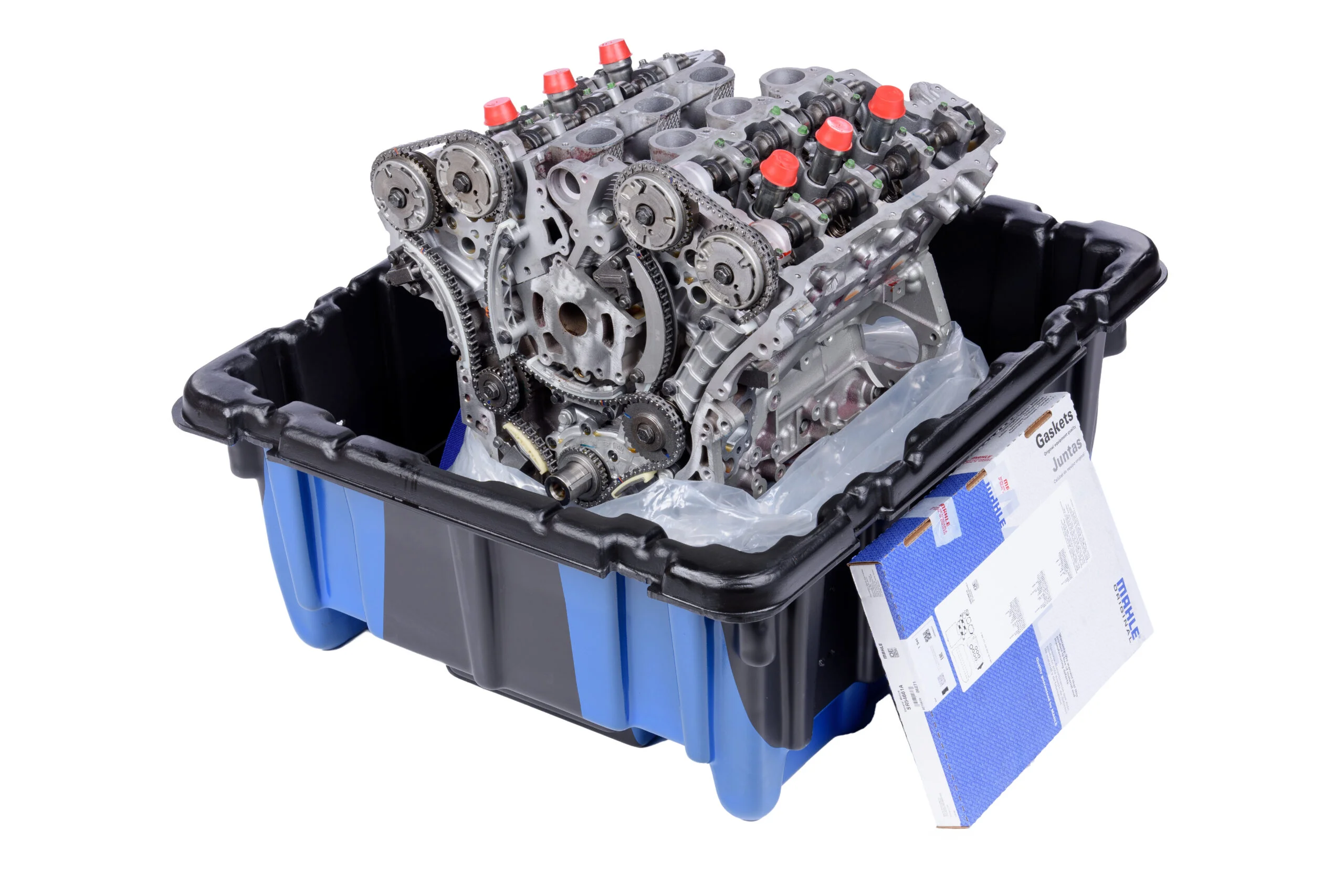
The Chevy 3.6L V6 Remanufactured Engine – 2010-2011 provides a professionally prepared replacement solution for compatible General Motors vehicles equipped with the 3.6-liter V6 engine.
The listed applications include Buick, Cadillac, Chevrolet, GMC, and Saturn, with the supplied engine specification identifying VIN codes D and V. Because GM vehicles can have different engine configurations within similar model years, confirming the vehicle application and engine identification information is essential before ordering.
Unlike an unknown-condition used engine, this remanufactured unit is completely disassembled and subjected to a structured inspection and rebuilding process. Critical engine components are cleaned, inspected, machined, and replaced as required before final assembly.
The finished engine is also subjected to SIM testing, providing an additional quality-control stage after reassembly.
For customers replacing a failed or severely worn original engine, this 2010-2011 Chevy 3.6L V6 engine offers a professionally remanufactured alternative designed around the original engine platform.
Compatibility, Applications, and Technical Details
This engine is specified for compatible 2010-2011 Buick, Cadillac, Chevrolet, GMC, and Saturn 3.6L V6 applications.
The supplied identification information lists VIN codes D and V. These codes should be considered when verifying compatibility because engine specifications can vary between vehicle configurations.
Fitment should also be confirmed through the applicable vehicle fitment information and, where available, casting numbers. Matching the replacement engine to the original vehicle configuration helps ensure compatibility with the vehicle’s mounting arrangement, accessories, electronics, and other application-specific components.
This makes proper fitment verification particularly important for repair shops and customers purchasing a replacement engine without physically comparing the two units beforehand.
The 3.6L V6 configuration is intended for applications where the corresponding GM engine specification was originally installed. Buyers should verify the complete vehicle information before ordering rather than relying on displacement and model year alone.
Remanufacturing Process and Quality Standards
Every engine is subjected to a comprehensive remanufacturing process designed to restore mechanical integrity and prepare the engine for continued service.
The process begins with complete disassembly and deep cleaning. Cast-iron components are hot tanked, while aluminum components are thermally cleaned where applicable. This removes accumulated deposits and contaminants before inspection.
Components are then carefully examined. Magnaflux testing uses magnetic particles to identify microscopic cracks and fissures in suitable metal components. Parts are also visually inspected to identify damage or conditions that could affect the finished engine.
During machining, deck surfaces are CNC machined to restore the appropriate surface condition for assembly and sealing.
The remanufacturing process includes new bearings, pistons, rings, lifters, oil pump, gaskets, Viton™ valve seals, freeze plugs, and galley plugs. The applicable timing system components are also addressed, including a new timing chain with tensioners or a new timing belt with tensioner, depending on the engine configuration.
Where applicable, a timing-driven water pump is also replaced.
Following assembly, every engine undergoes SIM testing. The cooling and oil systems are fully pressurized while the crankshaft is spun at high RPM to verify compression and overall build quality.
Engine Construction and Performance
The 3.6L V6 is a six-cylinder engine configuration used across multiple GM vehicle applications. This remanufactured engine is prepared using inspected original components together with new components specified during the rebuilding process.
Critical internal components receive attention during machining and assembly. Bearings, pistons, rings, lifters, and the oil pump are among the components included in the remanufacturing process.
Sealing and engine assembly are supported by new gaskets and Viton™ valve seals, while freeze plugs and galley plugs are replaced as part of the build.
The engine’s deck surfaces are CNC machined where required, helping establish the correct surface condition for assembly.
After final assembly, SIM testing evaluates the engine’s compression while the oil and cooling systems are pressurized. This provides an additional verification stage before the engine is supplied.
A Practical Replacement for a Worn 3.6L V6
An engine replacement represents a major automotive repair, making the condition and preparation of the replacement unit important considerations.
A professionally remanufactured engine offers a more structured alternative to purchasing a used engine with an uncertain service history. The engine is completely disassembled, cleaned, inspected, machined, rebuilt, and tested.
For this Chevy 3.6L V6 replacement engine, the listed application range covers Buick, Cadillac, Chevrolet, GMC, and Saturn vehicles from 2010–2011, with VIN codes D and V identified in the supplied specifications.
The remanufacturing process also addresses critical internal components and includes post-assembly SIM testing.
Customers can therefore use the engine’s application information, VIN codes, and available casting information as key references when determining whether this configuration is appropriate for their vehicle.
Who This Engine Is Best For
This engine is best suited to buyers looking for a professionally remanufactured 2010-2011 GM 3.6L V6 replacement engine.
It can be suitable for:
- Vehicle owners replacing a failed 3.6L V6
- Automotive repair shops performing engine replacements
- Professional technicians sourcing a remanufactured GM engine
- Vehicle refurbishment and restoration projects
- Buyers seeking an inspected and tested alternative to an unknown-condition used engine
The engine’s listed applications include Buick, Cadillac, Chevrolet, GMC, and Saturn. Exact fitment should always be confirmed using the vehicle’s identification and application information before purchase.
Technical Specifications
| Specification | Details |
|---|---|
| Product Type | Remanufactured Replacement Engine |
| Engine Configuration | 3.6L V6 |
| Displacement | 3.6L |
| Application Years | 2010-2011 |
| Vehicle Brands | Buick, Cadillac, Chevrolet, GMC, Saturn |
| VIN Codes | D, V |
| Engine Condition | Remanufactured |
| Fitment Verification | Vehicle application and available casting information |
| Cleaning Process | Hot tanking or thermal cleaning as applicable |
| Inspection | Visual inspection and Magnaflux testing where applicable |
| Machining | CNC-machined deck surfaces |
| Internal Components | Bearings, pistons, rings, lifters and other applicable components |
| Oil System | New oil pump included in remanufacturing process |
| Sealing Components | Gaskets and Viton™ valve seals |
| Freeze Plugs | New |
| Galley Plugs | New |
| Timing Components | Applicable new timing chain or timing belt with tensioner |
| Water Pump | New when timing-driven and applicable |
| Post-Assembly Testing | SIM tested |
| Compression Verification | Performed during SIM testing |
| Cooling System Testing | Fully pressurized during SIM testing |
| Oil System Testing | Fully pressurized during SIM testing |
Ordering, Fitment, and Support
Before ordering the Chevy 3.6L V6 Remanufactured Engine – 2010-2011, buyers should verify the vehicle’s year, make, model, engine configuration, and VIN information.
The supplied specification identifies VIN codes D and V, but vehicle-specific fitment should be confirmed using the available vehicle fitment information and casting numbers where applicable.
Proper verification is especially important because multiple engine configurations can exist within similar model-year ranges. Matching the replacement engine to the original configuration helps reduce the possibility of ordering an incompatible unit.
The engine’s remanufacturing process provides several quality-control stages, including component inspection, precision machining, installation of new specified components, final assembly, and SIM testing.
Frequently Asked Questions
What is the Chevy 3.6L V6 remanufactured engine?
The Chevy 3.6L V6 remanufactured engine is a professionally rebuilt replacement engine for compatible 2010–2011 GM applications. The listed applications include Buick, Cadillac, Chevrolet, GMC, and Saturn vehicles, with VIN codes D and V identified in the supplied specifications.
Which vehicles can use this 3.6L V6 engine?
The supplied application information covers 2010-2011 Buick, Cadillac, Chevrolet, GMC, and Saturn 3.6L V6 vehicles. Exact compatibility depends on the vehicle configuration, so the applicable vehicle fitment information and available engine identification details should be verified before ordering.
How is this 3.6L V6 engine remanufactured?
The engine is completely disassembled and thoroughly cleaned before inspection. Components undergo visual inspection and applicable Magnaflux testing. Deck surfaces are CNC machined, while specified internal components such as bearings, pistons, rings, lifters, oil pump, gaskets, and valve seals are replaced before final assembly.
What VIN codes are associated with this engine?
The supplied product information identifies VIN codes D and V. VIN information is an important part of the fitment process and should be compared with the vehicle’s original engine and applicable fitment information before purchasing.
Is the remanufactured engine tested after assembly?
Yes. The engine undergoes SIM testing after reassembly. During testing, the oil and cooling systems are fully pressurized and the crankshaft is spun at high RPM to verify compression and overall engine build quality.
What components are replaced during remanufacturing?
The remanufacturing process includes new bearings, pistons, rings, lifters, oil pump, gaskets, Viton™ valve seals, freeze plugs, and galley plugs. The applicable timing chain or timing belt and its tensioner are also replaced, with a timing-driven water pump replaced where applicable.
How do I verify that this engine will fit my vehicle?
Verify the vehicle’s year, make, model, engine configuration, and VIN information against the applicable fitment details. Available casting numbers can also provide an additional identification reference. If there is uncertainty, the vehicle’s complete engine information should be confirmed before ordering.


Reviews
There are no reviews yet.