



Description
Toyota 3VZE 3.0L V6 Remanufactured Engine – Professional Overview
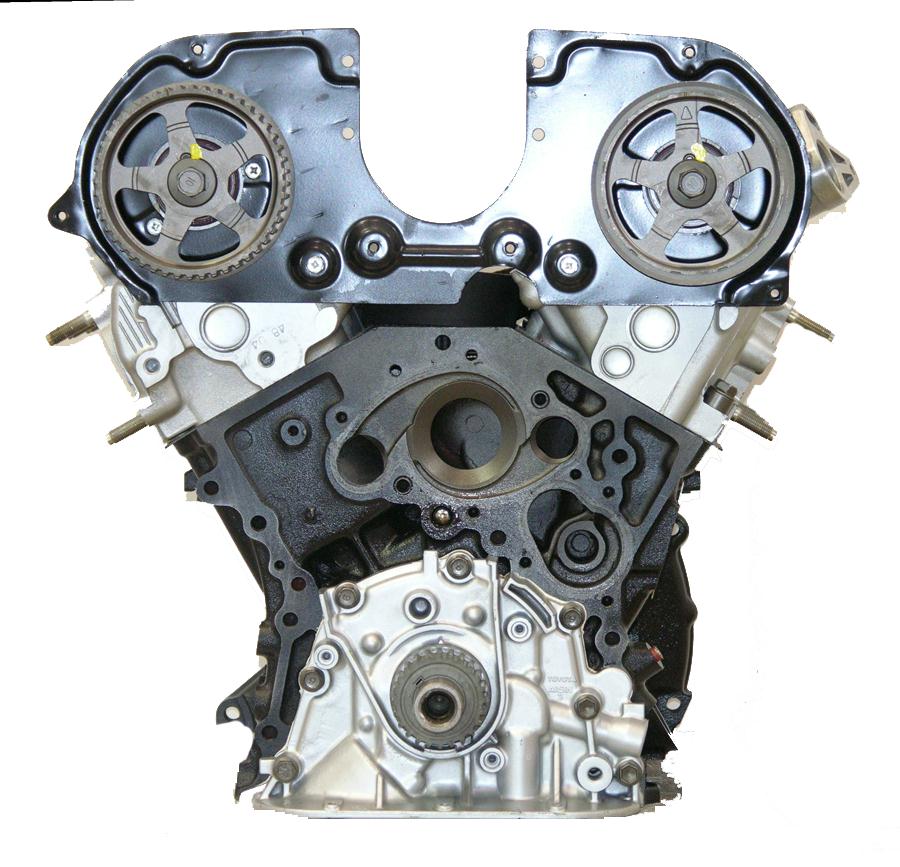
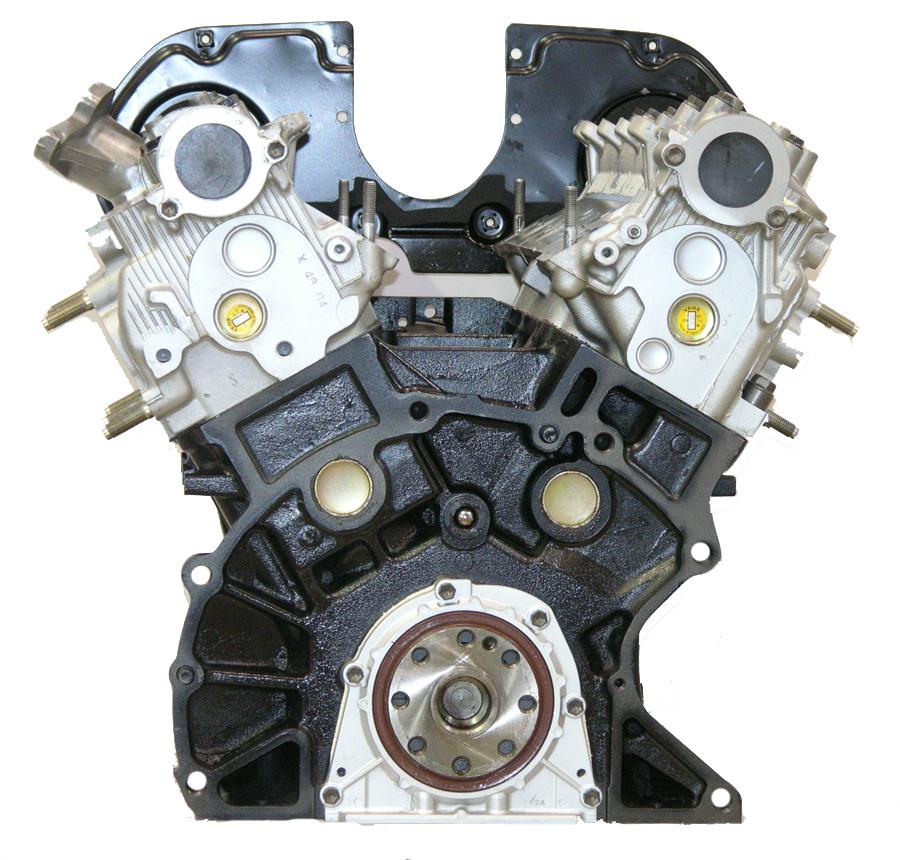
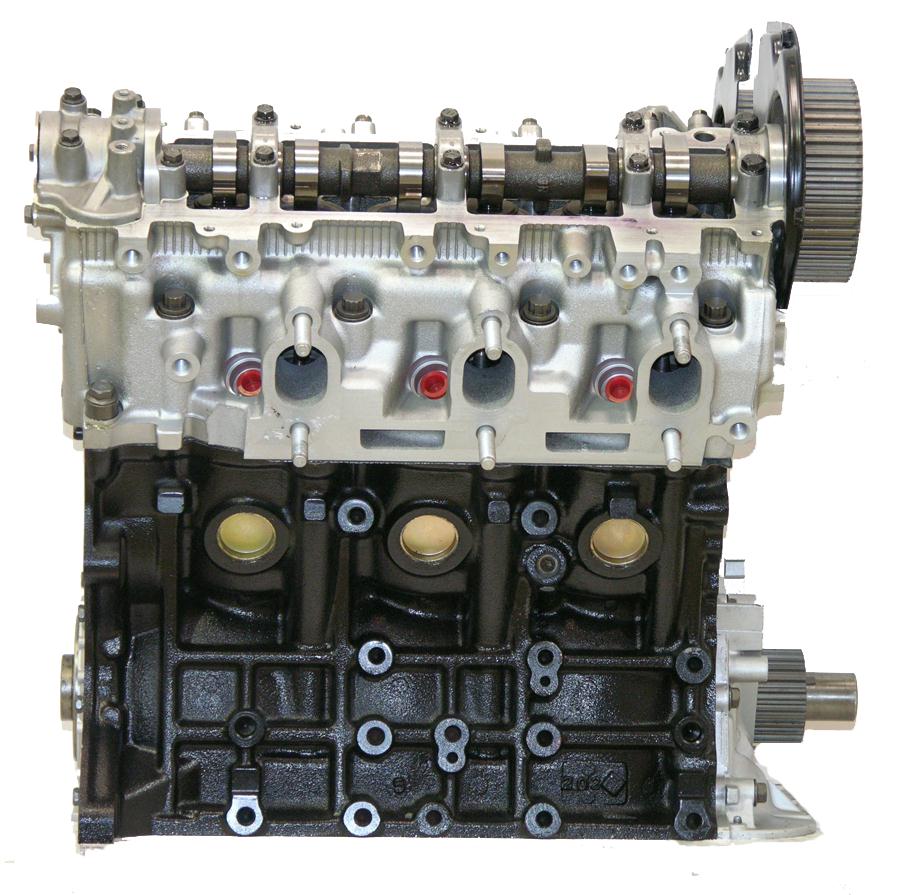
The Toyota 3VZE 3.0L V6 remanufactured engine is a replacement powerplant built around Toyota’s 3VZE 3.0-liter V6 engine architecture. It is intended for compatible Toyota vehicles manufactured during the 11/87-8/92 application period.
For owners restoring an older Toyota, replacing a worn engine, or completing a drivetrain repair, choosing the correct engine configuration is critical. Engine code, displacement, VIN information, casting identification, and vehicle application should all be considered before ordering.
This engine is supplied as a remanufactured replacement engine, rather than simply a used engine removed from another vehicle. The remanufacturing process involves disassembly, cleaning, inspection, machining, installation of new components, reassembly, and testing.
The supplied application information identifies the engine as a 3.0L 3VZE V6 with VIN code V. Because vehicle configurations can vary, buyers should verify compatibility using the vehicle fitment information and available identification or casting information before purchase.
Compatibility and Vehicle Applications
The Toyota 3VZE was used in Toyota applications during the late 1980s and early 1990s. The supplied application range for this engine is November 1987 through August 1992.
The most important consideration when purchasing a replacement engine is not simply the vehicle’s model year. Engine codes and production specifications can determine whether an engine will correctly match the original drivetrain.
This engine is identified by the 3VZE engine code, 3.0L displacement, V6 configuration, and VIN code V. These identifiers should be compared with the original engine and the vehicle’s fitment information before ordering.
For buyers replacing an existing powerplant, it is also useful to compare the engine identification information against the original block and related components. When available, casting numbers and vehicle-specific fitment information provide additional confirmation.
If you are browsing other replacement powerplants, the remanufactured engines collection can also provide alternatives across different Toyota and other vehicle applications.
Remanufacturing Process and Quality Control
A remanufactured engine is rebuilt through a controlled process intended to restore the engine’s serviceable condition rather than simply reselling a previously used assembly.
The process begins with complete disassembly and deep cleaning. Cast-iron components are hot tanked, while aluminum components are thermally cleaned where applicable. Removing accumulated deposits and contaminants allows the engine components to be properly inspected.
The next stage is inspection. Magnaflux testing uses magnetic particles to identify microscopic cracks and fissures in applicable metal components. Parts are also visually inspected for wear or other conditions that could affect the finished engine.
Critical machining operations are then performed as required. Deck surfaces are CNC machined, helping establish appropriate mating surfaces during assembly.
The remanufacturing process also incorporates new components, including bearings, pistons, rings, lifters, oil pump, gaskets, Viton valve seals, freeze plugs, and galley plugs. The applicable timing components are also replaced according to the engine’s configuration.
These procedures are important because an engine’s reliability depends on more than replacing a single failed component. Proper inspection, machining, component selection, and assembly all contribute to the condition of the completed engine.
Engine Construction and Performance
The 3VZE is a 3.0-liter V6 engine, providing the displacement and cylinder configuration associated with this Toyota powerplant.
For an older vehicle requiring engine replacement, a remanufactured assembly can provide a practical alternative to sourcing an unknown-condition used engine. The major advantage is that the engine has gone through a defined rebuilding and inspection process before being offered as a replacement.
The supplied remanufacturing process includes replacement of important wear components and precision machining of applicable surfaces. The engine is subsequently reassembled and tested rather than being sold solely on its external condition.
Another important part of the process is SIM testing. After reassembly, the engine’s cooling and oil systems are fully pressurized, while the crankshaft is spun at high RPM to verify compression and overall build quality.
This testing provides an additional quality-control stage before the engine reaches the customer.
Why Choose a Remanufactured 3VZE Engine?
Replacing an aging engine requires more than finding an engine with the same displacement. Buyers need confidence that the replacement has been properly inspected and prepared for installation.
A remanufactured Toyota V6 engine addresses this concern through a structured rebuilding process. Components are cleaned and inspected, required machining is performed, and specified internal parts are replaced before final assembly.
For older Toyota vehicles, this can be particularly useful when finding a suitable used engine with known history and condition becomes difficult.
The 3VZE identification also gives buyers an important reference point when comparing replacement engines. Rather than selecting an engine based only on vehicle make and year, the 3VZE engine code provides a more specific basis for confirming compatibility.
Buyers should still verify their vehicle’s exact application before ordering, particularly where production dates or drivetrain configurations overlap.
Who This Engine Is Best For
The Toyota 3VZE 3.0L V6 remanufactured engine is suited to several types of buyers.
Vehicle owners can use it when an original 3VZE engine has reached the point where replacement is more practical than continued repair.
Restoration projects may also benefit from a properly identified replacement engine when maintaining an older Toyota vehicle.
Professional repair facilities and engine installers can use the engine as a replacement option when servicing compatible Toyota applications.
It can also be appropriate for buyers who specifically need a 3VZE 3.0L V6 replacement engine rather than a generic Toyota engine.
The correct choice ultimately depends on verified vehicle fitment, engine identification, and the condition of the vehicle’s remaining drivetrain components.
Technical Specifications
| Specification | Details |
|---|---|
| Product Type | Remanufactured Replacement Engine |
| Vehicle Manufacturer | Toyota |
| Engine Code | 3VZE |
| Engine Type | 3.0L V6 |
| Displacement | 3.0L |
| Configuration | V6 |
| Application Period | 11/87-8/92 |
| VIN Code | V |
| Condition | Remanufactured |
| Cleaning Process | Hot tanking / thermal cleaning as applicable |
| Inspection | Visual inspection and Magnaflux testing |
| Machining | CNC-machined deck surfaces |
| Internal Components | Bearings, pistons, rings, lifters, oil pump and related components |
| Sealing Components | Gaskets and Viton valve seals |
| Engine Plugs | Freeze plugs and galley plugs |
| Timing Components | New timing chain or timing belt components as applicable |
| Quality Testing | SIM tested |
| Testing Process | Cooling and oil systems pressurized; crank spun at high RPM |
| Fitment Verification | Vehicle fitment and available casting/identification information |
Ordering, Fitment Verification, and Support
Correct fitment should always be confirmed before purchasing the Toyota 3VZE 3.0L V6 remanufactured engine.
Use the vehicle’s year, model, original engine identification, VIN information, and available casting information when comparing the replacement engine with the original application.
The supplied information identifies this engine for the 11/87-8/92 period and specifies VIN code V. However, buyers should not rely solely on the date range because individual vehicle configurations can differ.
For additional replacement options, customers can explore related Toyota replacement engines, remanufactured V6 engines, and other engines within the broader replacement-engine category.
Professional assistance with fitment verification can also help prevent ordering an engine that does not correspond to the original vehicle configuration.
Frequently Asked Questions
What engine is the Toyota 3VZE?
The 3VZE is a 3.0L V6 Toyota engine used in compatible Toyota applications during the late 1980s and early 1990s. This product is identified specifically as a 3VZE 3.0L V6 remanufactured replacement engine with VIN code V.
What years does this 3VZE engine cover?
The supplied application range is November 1987 through August 1992. Because vehicle specifications can vary within a production period, buyers should confirm the engine code, VIN information, and other fitment details before ordering.
Is this a used or remanufactured engine?
This is a remanufactured engine. The engine is fully disassembled, cleaned, inspected, machined as required, rebuilt with specified new components, reassembled, and SIM tested before being supplied as a replacement engine.
What components are replaced during remanufacturing?
The supplied process includes new bearings, pistons, rings, lifters, oil pump, gaskets, Viton valve seals, freeze plugs, and galley plugs. Applicable timing components are also replaced according to the engine configuration.
How is the remanufactured engine tested?
Each engine is SIM tested after reassembly. The cooling and oil systems are fully pressurized, and the crankshaft is spun at high RPM to verify compression and assess the overall build quality.
How can I confirm whether this engine fits my Toyota?
Start by comparing your vehicle’s production date, engine code, VIN information, and available casting or identification numbers with the product’s fitment information. For this engine, the primary identifiers are 3VZE, 3.0L V6, and VIN code V.
Why choose a remanufactured engine instead of a used engine?
A remanufactured engine has undergone a defined rebuilding and inspection process. Unlike an unknown-condition used engine, the supplied process includes cleaning, inspection, machining, installation of specified new components, reassembly, and SIM testing.


Reviews
There are no reviews yet.