Description
Chrysler Dodge Plymouth 3.8L V6 Remanufactured Engine – Professional Overview
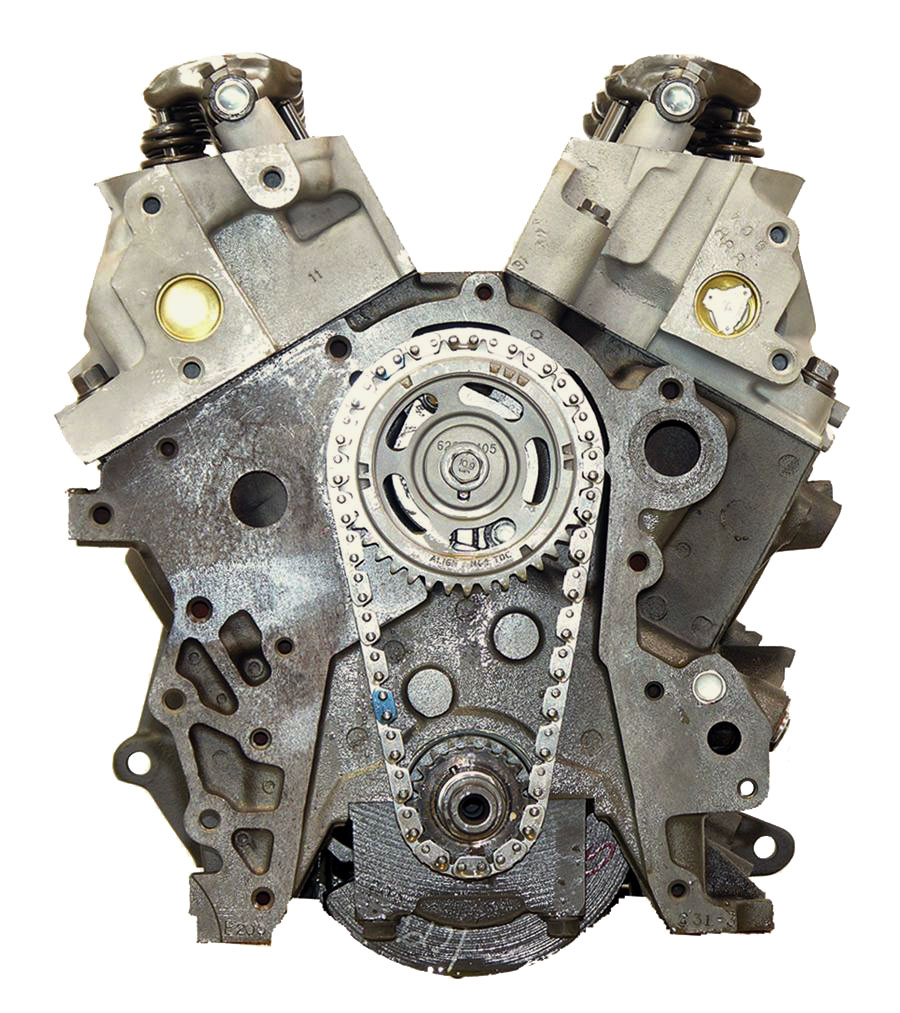
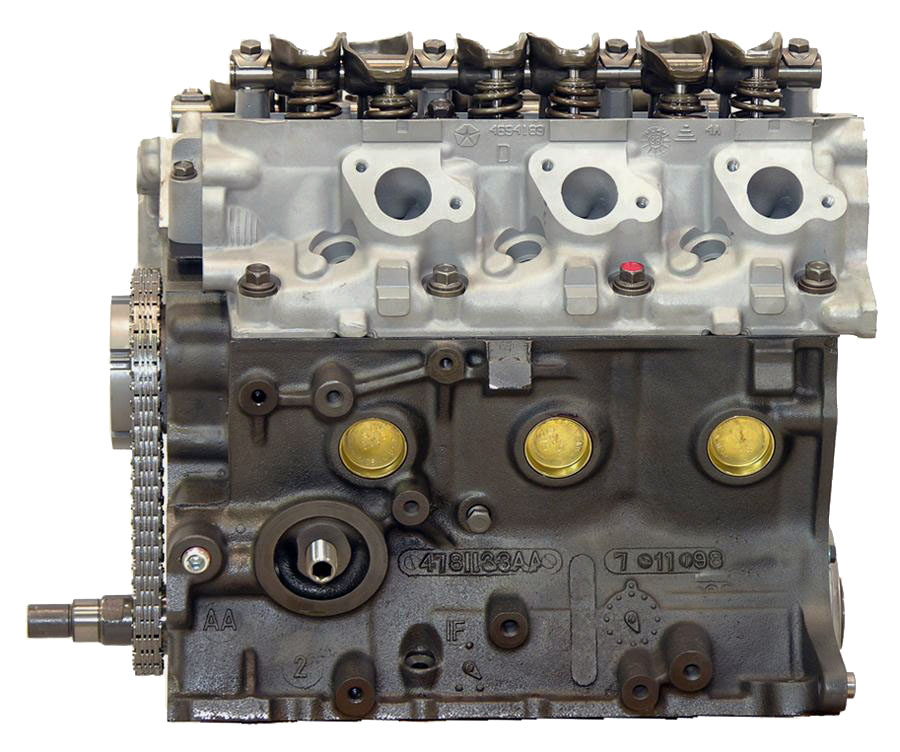
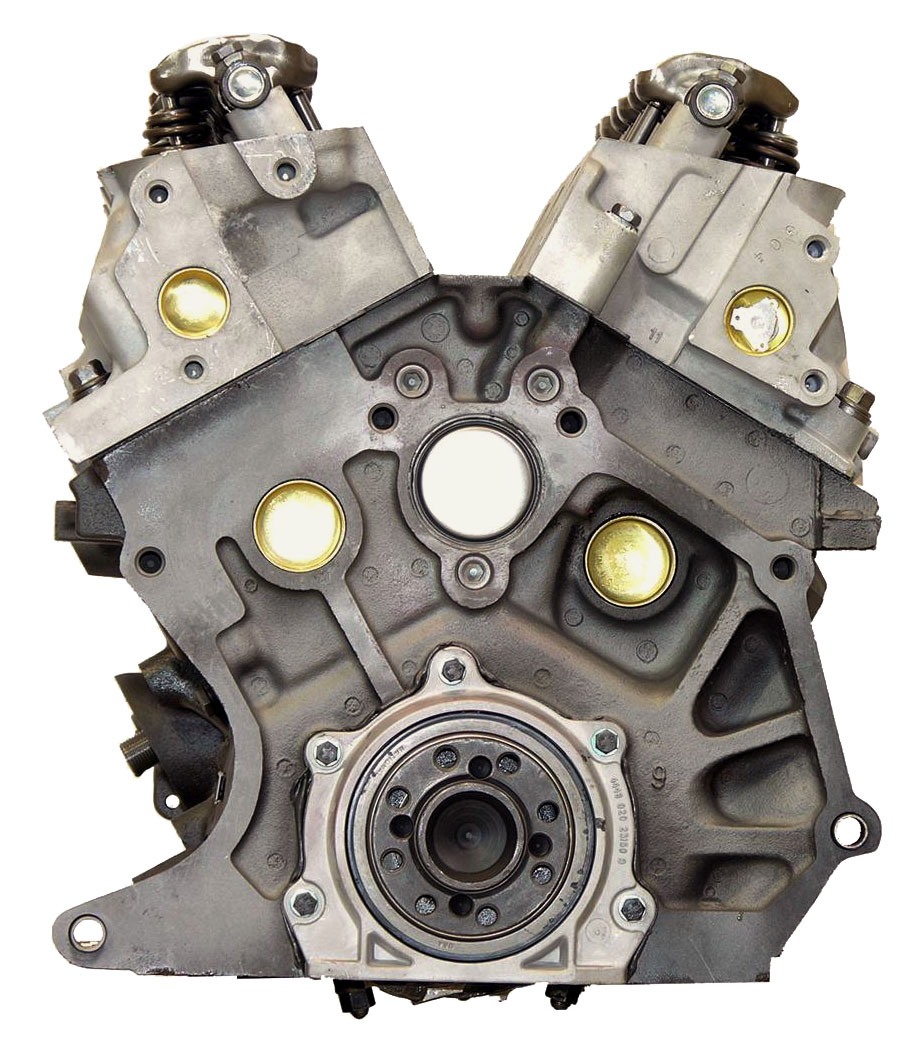
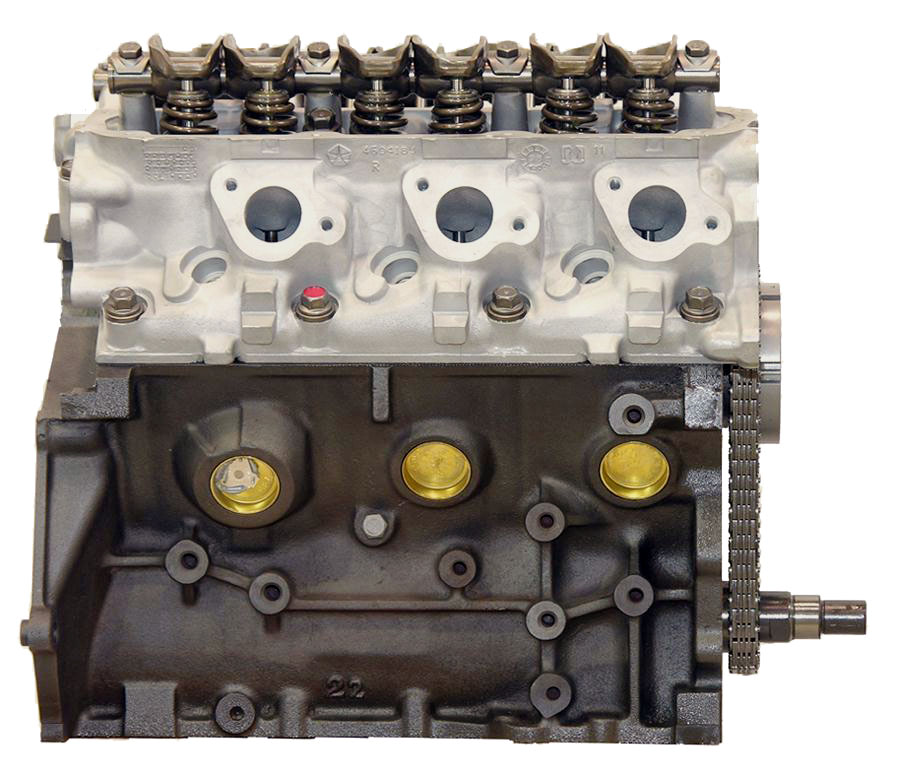
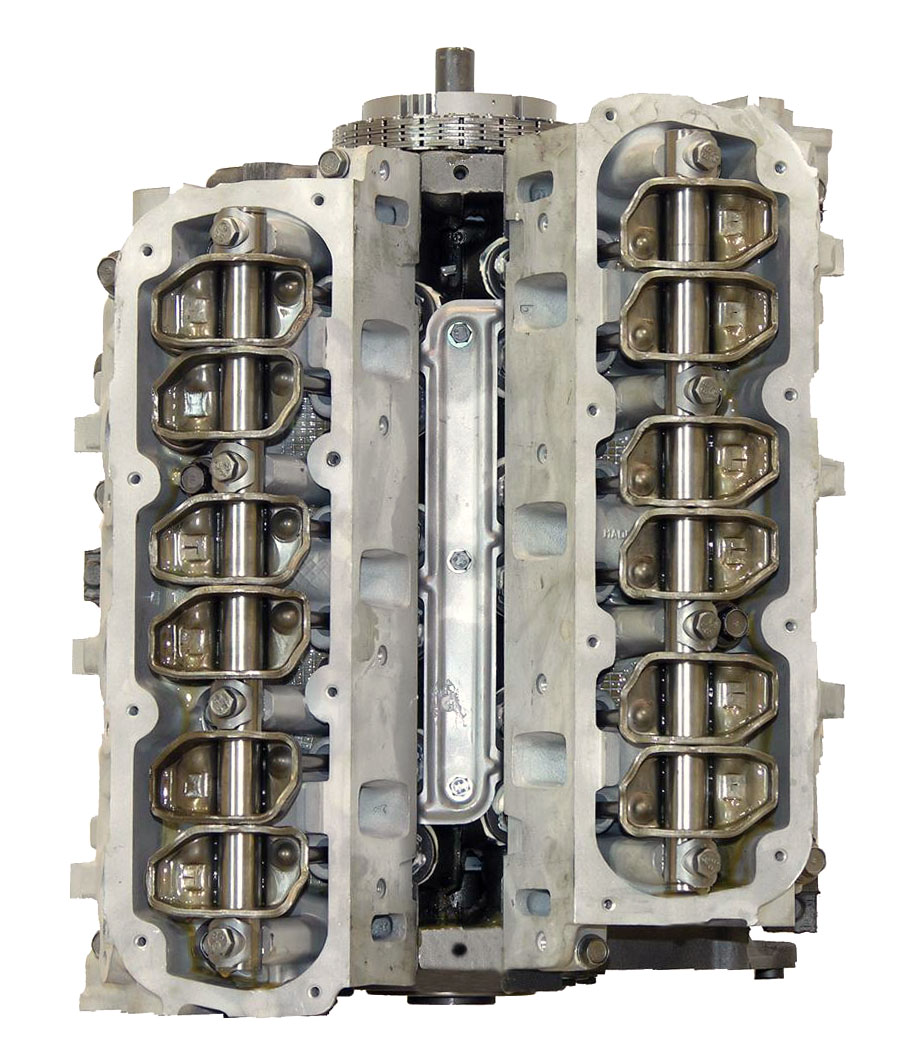
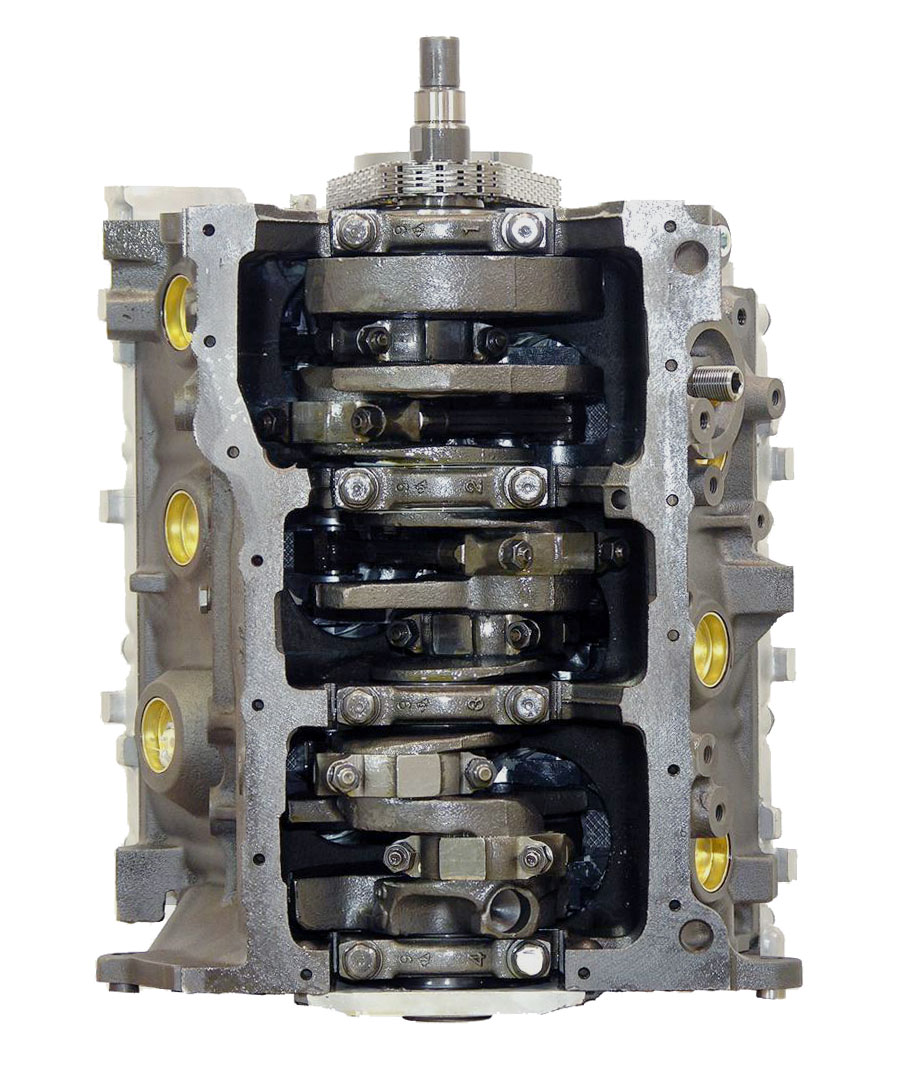
The Chrysler Dodge Plymouth 3.8L V6 Remanufactured Engine is designed as a replacement powerplant for compatible Chrysler, Dodge, and Plymouth vehicles from the 1998–2000 model years. It uses the Chrysler 3.8L V6 engine platform and is identified by several applicable block casting numbers.
This engine is intended for buyers who need a professionally remanufactured replacement rather than relying on an unknown-condition used engine. The remanufacturing process focuses on restoring the engine’s critical components and surfaces while replacing specified wear components with new parts.
The supplied application information identifies the engine as a 3.8L V6 and lists block casting numbers 133, 550, 535, and 944. Because vehicle configurations can vary, buyers should confirm the application using the vehicle fitment information and applicable casting numbers before placing an order.
The result is a replacement engine prepared through a defined cleaning, inspection, machining, assembly, and testing process rather than simply being sold in its previously used condition.
Chrysler Dodge Plymouth 3.8L V6 Remanufactured Engine – Compatibility and Fitment
This engine is listed for 1998–2000 Chrysler, Dodge, and Plymouth applications using the compatible 3.8L V6 configuration.
Fitment should always be verified before purchase. The supplied product information specifically recommends checking the vehicle fitment notes and applicable casting numbers. The listed block casting numbers are 133, 550, 535, and 944.
This additional verification is important because vehicles from the same manufacturer and model-year range can use different engine configurations or production variations.
For professional installers, repair facilities, restoration projects, and individual vehicle owners, confirming the engine configuration, model year, and casting number provides an additional layer of confidence that the replacement engine corresponds with the existing application.
If you are comparing this engine with other replacement engines in the collection, the replacement engines category can also be reviewed for alternative displacement and application options.
Cleaning, Inspection, and Machining
Every engine in this remanufacturing program goes through an extensive preparation process before final assembly.
The process begins with complete disassembly and deep cleaning. Cast-iron components are hot tanked, while aluminum components are thermally cleaned. This removes accumulated contaminants and prepares the components for detailed inspection and machining.
The next stage involves inspection. Magnaflux testing uses magnetic particles to identify microscopic cracks and fissures that may contribute to long-term engine failure. Components also receive visual inspection as part of the overall quality-control process.
Machining follows inspection. Deck surfaces are CNC machined to restore the required surface condition for proper assembly. Components that do not meet the applicable requirements are addressed during the remanufacturing process.
This combination of cleaning, inspection, and precision machining helps distinguish a remanufactured engine from a conventional used engine.
New Components and Engine Assembly
The remanufacturing process includes the installation of specified new components designed to replace critical wear items.
New components include bearings, pistons, rings, lifters, oil pump, gaskets, Viton valve seals, freeze plugs, and galley plugs. Depending on the engine’s timing configuration, the assembly also receives either a new timing chain with new tensioners or a new timing belt with a new tensioner.
When an engine uses a timing-driven water pump, a new water pump is installed as part of the process.
These components are incorporated during engine assembly rather than leaving the buyer to address the major wear components separately. The result is a remanufactured assembly prepared according to the specified rebuilding process.
Testing and Quality Verification
After reassembly, the engine undergoes SIM testing to verify its build quality.
During this testing process, the cooling and oil systems are fully pressurized, while the crankshaft is spun at high RPM. This provides a controlled way to verify compression and evaluate the completed engine assembly before it reaches the customer.
Testing is an important part of the remanufacturing process because it provides verification beyond visual inspection and mechanical assembly alone.
For buyers replacing an aging or failed engine, this testing provides useful assurance that the engine has gone through a defined post-assembly verification process.
Warranty and Long-Term Ownership
The remanufacturing program is supported by substantial warranty coverage. Each engine comes with up to 7 years and 1 million miles of warranty, with an available upgrade to Pure Care no-fault protection.
Warranty terms can provide important value when comparing a remanufactured engine with alternative replacement options. Buyers should review the applicable warranty terms and coverage conditions before installation.
A replacement engine is a significant component purchase, so warranty coverage, documented testing, and the remanufacturing process are important factors to consider alongside compatibility.
Who This Engine Is Best For
The Chrysler Dodge Plymouth 3.8L V6 Remanufactured Engine is suited to buyers who need a replacement engine for a compatible 1998–2000 application and want a remanufactured unit rather than an unverified used engine.
It can be appropriate for:
- Vehicle owners replacing a failed or severely worn engine
- Automotive repair shops sourcing replacement powerplants
- Professional installers working with compatible Chrysler, Dodge, or Plymouth applications
- Restoration and refurbishment projects requiring the correct 3.8L V6 configuration
- Buyers who value remanufacturing, component replacement, testing, and warranty coverage
The correct choice ultimately depends on vehicle compatibility, engine configuration, and confirmation of the applicable casting numbers.
Technical Specifications
| Specification | Details |
|---|---|
| Product | Chrysler Dodge Plymouth 3.8L V6 Remanufactured Engine |
| Model Years | 1998–2000 |
| Vehicle Brands | Chrysler, Dodge, Plymouth |
| Engine Configuration | 3.8L V6 |
| Block Casting Numbers | 133, 550, 535, 944 |
| Engine Condition | Remanufactured |
| Inspection | Magnaflux and visual inspection |
| Machining | CNC-machined deck surfaces |
| New Components | Bearings, pistons, rings, lifters, oil pump, gaskets, Viton valve seals, freeze plugs, galley plugs |
| Timing Components | New timing chain and tensioners or timing belt and tensioner, depending on configuration |
| Water Pump | New pump when timing-driven |
| Testing | SIM tested after reassembly |
| Testing Process | Cooling and oil systems pressurized; crank spun at high RPM |
| Warranty | Up to 7 years / 1 million miles |
| Optional Protection | Pure Care no-fault protection upgrade |
| Fitment Verification | Vehicle fitment information and applicable casting numbers |
Ordering, Fitment Verification, and Support
Before ordering the Chrysler Dodge Plymouth 3.8L V6 Remanufactured Engine, confirm the vehicle’s year, make, model, engine configuration, and applicable casting number.
The supplied product information specifically recommends using the vehicle fitment information and casting numbers for confirmation. This is particularly important when replacing an engine because physical compatibility and engine identification should be established before installation.
For buyers comparing replacement options, related remanufactured engines and other compatible engine assemblies can also be considered based on the vehicle’s requirements.
Professional installation and appropriate vehicle-specific procedures should be followed when replacing the engine. Buyers should also review the applicable warranty requirements and installation conditions to ensure coverage remains valid.
Frequently Asked Questions
Is this a new or used Chrysler 3.8L V6 engine?
This is a remanufactured 3.8L V6 engine, not a conventional used engine. The supplied process includes complete disassembly, deep cleaning, inspection, machining, installation of specified new components, reassembly, and SIM testing.
What vehicles does this 3.8L V6 engine fit?
The product is listed for compatible 1998–2000 Chrysler, Dodge, and Plymouth applications. Exact fitment should be verified using the vehicle fitment information and applicable block casting numbers before ordering.
What are the casting numbers for this engine?
The listed block casting numbers are 133, 550, 535, and 944. Casting numbers should be compared with the existing application when verifying compatibility.
What new components are installed during remanufacturing?
The remanufacturing process includes new bearings, pistons, rings, lifters, oil pump, gaskets, Viton valve seals, freeze plugs, and galley plugs. Timing components and a water pump are also addressed according to the engine’s configuration.
How is the remanufactured engine tested?
After assembly, the engine undergoes SIM testing. The cooling and oil systems are fully pressurized, and the crank is spun at high RPM to verify compression and overall build quality.
What warranty comes with this engine?
The engine comes with up to 7 years and 1 million miles of warranty. The supplied information also states that coverage can be upgraded to include Pure Care no-fault protection. Applicable warranty terms should be reviewed before installation.
Should I verify fitment before purchasing?
Yes. Engine compatibility should be confirmed before ordering. Use the applicable vehicle fitment information and block casting numbers to verify that the engine corresponds with the vehicle and existing engine configuration.


Reviews
There are no reviews yet.