

At Elite Crate Motors, we match engines and transmissions every week — from daily drivers to 600+ horsepower LS builds.
And one question comes up constantly:
“Be honest — which lasts longer? Automatic or manual?”
The answer isn’t emotional. It’s mechanical.
This is a breakdown of automatic vs manual transmission durability, based on what we see in real builds — not internet opinions.
What Durability Actually Means
Before choosing sides, define “durable.”
Does it mean:
- Highest mileage?
- Lowest repair cost?
- Best under torque load?
- Least sensitive to driver error?
Because those are different outcomes.
And durability changes depending on:
- Power level
- Vehicle weight
- Cooling system
- Driving habits
- Maintenance discipline
This is according to engineering standards recognized by SAE International.
Automatic Transmission Durability – Real-World Observations
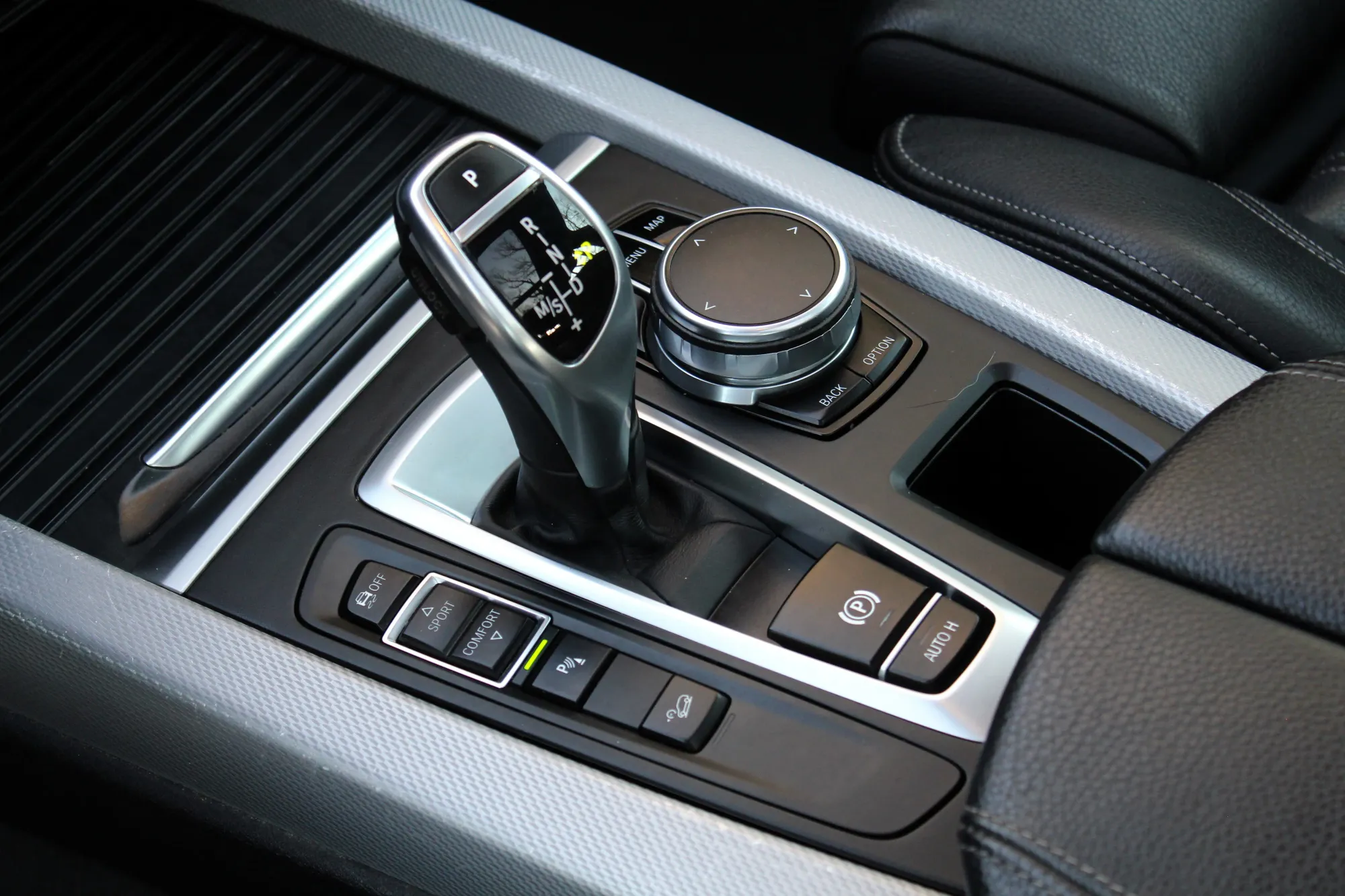
Modern automatics transmissions — especially performance units like the 4L65E and 4L80E we supply — are far more durable than 1990s-era versions.
Common Failure Points We See in Stock Automatics
- 3-4 clutch pack burn (from overheating)
- Valve body wear
- Torque converter clutch failure
- Fluid breakdown under heat
The root cause in 80% of cases?
Heat.
When fluid temperature exceeds ~220°F consistently, clutch life drops significantly.
But here’s the key:
When properly cooled and maintained, modern automatics routinely exceed:
- 150,000–200,000 miles in daily use
- 100,000+ miles in performance applications
In automatic vs manual transmission durability for high horsepower builds, automatics often survive longer because:
- The torque converter cushions shock load
- Torque is delivered progressively
- Electronic shift timing reduces mechanical stress
In boosted LS builds, that matters.
Manual Transmission Durability – Real-World Observations
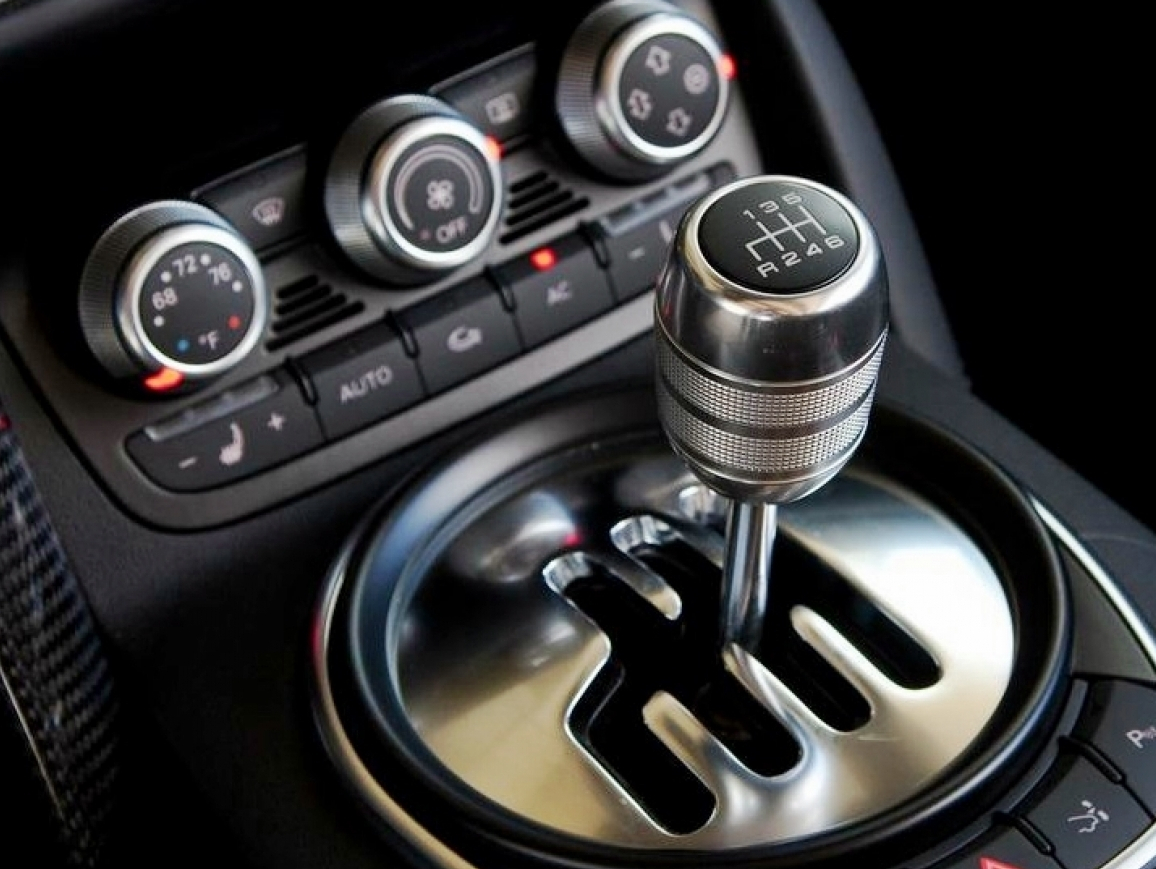
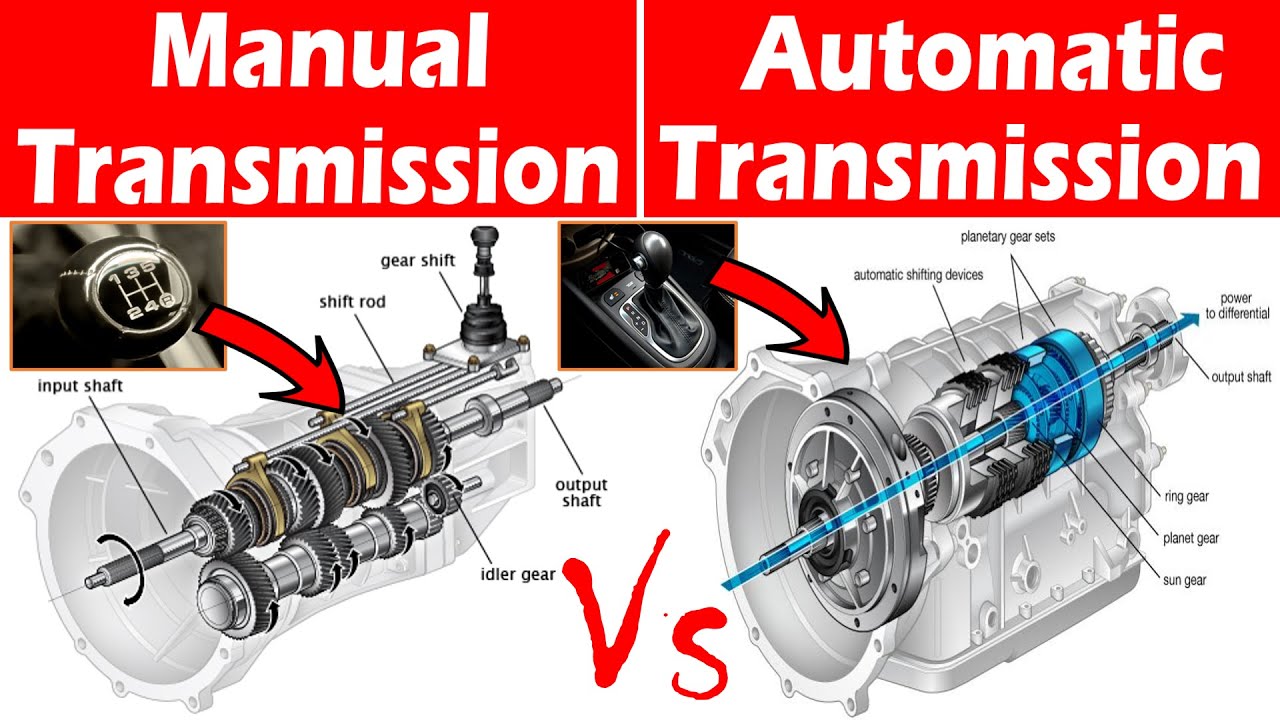
Manual transmissions are mechanically simpler.
Fewer hydraulic circuits. No torque converter. No pump.
Common failure points we see:
- Synchro wear from aggressive shifting
- Clutch disc wear
- Pressure plate fatigue
- Input shaft stress under high torque
Gearsets themselves are extremely durable.
But clutch assemblies are consumable.
In moderate power daily drivers:
- 200,000+ miles is common
- Clutch replacement every 60,000–120,000 miles
In high torque builds:
- Clutch life shortens dramatically
- Shock load becomes a primary stress factor
In automatic vs manual transmission durability under aggressive driving, driver behavior heavily influences outcomes.
Shock Load vs Torque Management
This is where most online comparisons fall short.
Manual transmissions transfer torque instantly.
Automatics absorb torque through the converter.
In drag racing or high-torque street builds:
- Manuals experience higher instantaneous shock
- Automatics distribute load more evenly
We’ve seen manual setups fail not because the gearbox was weak — but because the clutch engagement shock exceeded component tolerance.
Durability isn’t just about strength.
It’s about stress management.
Towing Applications
For customers asking about automatic vs manual transmission durability for towing, the answer depends on heat management.
Automatics:
- Generate heat
- Benefit from external coolers
- Offer smoother torque multiplication
Manuals:
- Avoid hydraulic heat
- Place more stress on clutch during incline starts
- Require skilled operation in traffic
For moderate towing with proper cooling, automatics often provide more consistent long-term durability.
For light-duty applications with experienced drivers, manuals perform very well.
Maintenance and Cost Reality
When comparing automatic vs manual transmission durability and long-term ownership cost, consider:
Automatic:
- Fluid + filter every 30k–60k miles
- Potential valve body service
- Rebuild cost higher if neglected
Manual:
- Fluid change intervals longer
- Clutch replacement inevitable
- Synchro wear possible with aggressive use
Neither is maintenance-free.
Durability improves dramatically with proactive servicing.
Performance Builds: The Honest Recommendation
At Elite Crate Motors, when pairing LS crate engines with transmissions, we use this guideline:
Under 450 HP:
- Either automatic or manual works reliably
450–600 HP:
- Built automatic often provides better long-term durability
- Manual requires upgraded clutch system
Above 650 HP:
- Platform selection becomes critical
- Underbuilt components fail regardless of transmission type
If durability under torque is your priority, automatic transmissions frequently win in real-world stress testing.
If mechanical simplicity and engagement are priorities, manuals remain excellent — within realistic power limits. You can refer to leading transmission component manufacturers like Sonnax.
So Which Actually Lasts Longer?
There is no universal winner in automatic vs manual transmission durability.
But there are patterns:
- High torque builds → Automatics often last longer
- Daily commuting → Both are durable with maintenance
- Aggressive driving → Automatics manage shock better
- Low power conservative driving → Manuals often exceed 200k miles
Durability is contextual.
Why We Focus on Proper Matching at Elite Crate Motors
We specialize in:
- LS crate engines
- Performance automatic transmissions
- Engine and transmission package solutions
When customers ask which transmission lasts longer, we don’t answer generically.
We evaluate:
- Torque curve
- Intended use
- Vehicle weight
- Cooling setup
- Maintenance discipline
Because the most durable transmission is the one matched properly to the build.
Frequently Asked Questions
Do manual transmissions last longer than automatics?
Not always. Manuals can exceed 200,000 miles in low-power daily driving, but durability depends heavily on driver behavior. Modern automatics, when maintained and cooled properly, can also last 150,000–200,000+ miles.
Are automatic transmissions less reliable?
No. Older units had issues, but modern automatics are highly reliable when serviced properly. In high-torque builds, they often manage stress better than manuals.
Which is cheaper to repair?
Manuals typically have lower service costs but require clutch replacements. Automatics can be more expensive to rebuild if neglected. Maintenance habits determine long-term cost.
Is automatic better for towing?
In most cases, yes. Automatics provide smoother torque delivery and easier operation, especially in traffic. Proper cooling is essential.
Which handles high horsepower better?
Built automatics often handle high torque more consistently due to reduced shock load. Manuals can work well too, but require upgraded clutch systems.
Final Word
The debate over automatic vs manual transmission durability isn’t about which design is superior in theory.
It’s about:
- Heat management
- Torque delivery
- Driver behavior
- Component quality
- Realistic power expectations
In modern applications, both are capable of long service life.
But durability isn’t accidental.
It’s engineered.
And at Elite Crate Motors, that’s exactly what we focus on — building drivetrain combinations designed to last.
Next Post: 4L65E Performance Transmission for Sale: High-Torque, Street-Ready, Track-Proven

