

If you’ve ever driven two vehicles with the same engine, same model year, and nearly identical mileage—yet one felt smooth while the other felt unpredictable—you’ve already experienced the difference most dealers never explain (adaptive shift automatic transmission).
At Elite Crate Motors, we don’t just sell engines and powertrain components—we deal with the aftermath of poor explanations. Every week, we speak with customers who were told “that’s just how modern transmissions behave,” only to discover later that the issue wasn’t the car—it was a misunderstanding of how their transmission actually works.
One of the most common questions we hear after an engine replacement or drivability complaint is simple:
“Why does it shift differently now than it did before?”
In many cases, the answer comes down to whether the vehicle uses a standard automatic transmission or an adaptive shift automatic transmission—and whether anyone explained the difference properly. You can browse through our store if looking for replacement engines and complete powertrain solutions.
What Dealers Rarely Say Out Loud
Modern automatic transmissions are not all built on the same logic. Two vehicles can leave the factory with the same hardware and behave very differently six months later—especially once driving habits, repairs, or engine replacements enter the picture.
Understanding the real differences between adaptive shift automatic transmission vs standard automatics isn’t just technical knowledge—it directly affects:
- Long-term reliability
- Diagnostic accuracy
- Engine and transmission replacement success
- Overall ownership cost
This isn’t theory. These are patterns we see repeatedly across customer vehicles, warranty claims, and post-installation support calls.
What Is a Standard Automatic Transmission?
How Standard Automatics Actually Operate
A standard automatic transmission follows fixed programming. Shift points are determined by measurable inputs such as:
- Engine RPM
- Vehicle speed
- Throttle position
- Load
Those inputs trigger pre-set responses. The logic does not evolve over time.
From a diagnostic standpoint, this predictability is valuable. When a shift issue appears, it’s usually mechanical or electronic—not behavioral.
Why Standard Automatics Still Matter
In real-world applications, standard automatics are often the better choice for:
- Commercial vehicles
- Fleet operations
- High-mileage daily drivers
- Vehicles undergoing engine swaps or long-term service cycles
They are easier to evaluate, easier to reset, and less sensitive to inconsistent driving behavior.
This is why buyers researching standard automatic transmission reliability often end up prioritizing simplicity over refinement.
The Trade-Off
What standard automatics don’t offer is adaptability. They won’t adjust shift timing based on driver behavior, road conditions, or long-term usage patterns. Efficiency gains are limited to factory calibration.
What Is an Adaptive Shift Automatic Transmission?
Adaptive Shift Automatic Transmission Explained Clearly
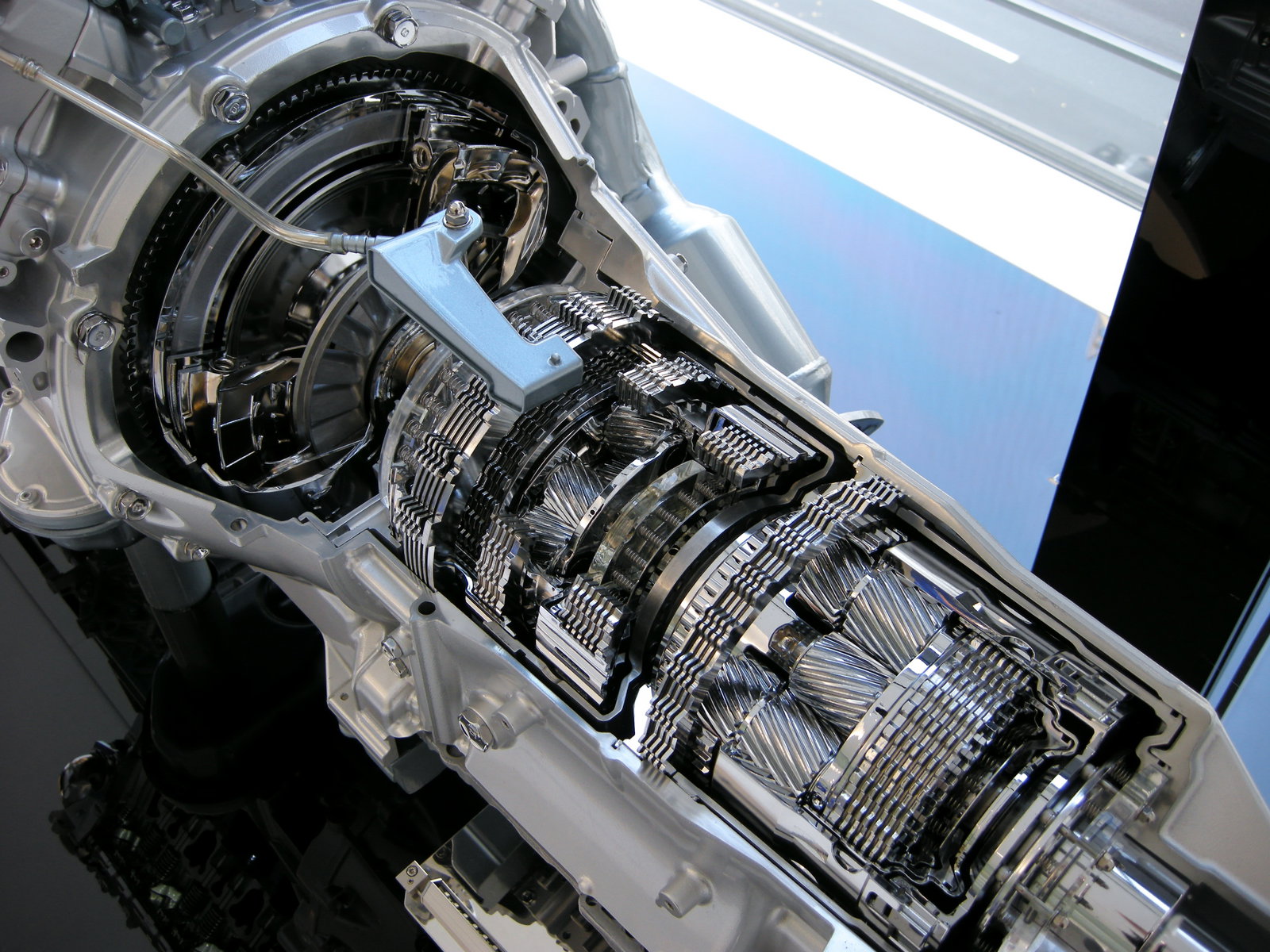
An adaptive shift automatic transmission actively learns from the driver. Over time, it modifies shift behavior based on:
- Throttle application habits
- Braking patterns
- Load conditions
- Driving environments
This learning process is controlled by the transmission control module (TCM) and is continuously refined unless reset.
That’s why many drivers search how adaptive shift automatic transmission works—because the behavior feels personal, and sometimes unpredictable. Read more about adaptive transmission control systems.
What We See After Repairs or Engine Replacements
Here’s a common scenario we encounter:
A customer installs a remanufactured engine. The vehicle runs well mechanically, but the transmission begins shifting harder or later than before. The assumption is often that something went wrong during installation.
In reality, the adaptive transmission is trying to reconcile new torque characteristics with old learned behavior.
Without a proper reset and relearn procedure, the system is working with outdated assumptions.
Adaptive Shift Automatic Transmission vs Standard Automatics: Real-World Differences
Shift Behavior Over Time
- Standard automatic transmissions behave the same on day one and day one thousand
- Adaptive shift automatic transmissions evolve based on how the vehicle is driven
This explains why searches like adaptive shift automatic transmission changing shift points are so common after service events.
Driving Feel and Responsiveness
Adaptive systems can feel smoother and more responsive under consistent conditions. However, mixed driving styles—such as alternating between aggressive and conservative driving—can confuse the learning logic.
Standard automatics remain predictable regardless of driver variability.
Fuel Efficiency Reality
Adaptive shifting can improve fuel efficiency, but only when driving habits are consistent. In stop-and-go or mixed-use scenarios, the efficiency benefit is often overstated.
This is why data around adaptive shift automatic transmission fuel efficiency varies so widely.
Long-Term Wear Considerations
One important distinction we see in real diagnostics:
Adaptive systems can temporarily mask mechanical wear by compensating through shift behavior. Standard systems do not.
This means adaptive transmissions may delay visible symptoms—but when problems surface, they are often further developed.
What Dealers Rarely Explain About Adaptive Shift Systems
“It’s Normal” Isn’t a Diagnosis
Hard shifts following:
- Battery disconnection
- Engine replacement
- Transmission service
may be normal if adaptive memory is relearned correctly. If not, those symptoms can persist and worsen.
This is why adaptive shift automatic transmission hard shifting after repair is such a frequent concern.
Why Adaptive Memory Resets Are Not Optional
When we assist customers after engine delivery, one of our first questions is always whether the adaptive memory was reset.
Skipping this step is one of the most common—and expensive—mistakes we see.
When Adaptive Logic Delays Repairs
Adaptive systems can reduce torque or alter shift timing to protect failing components. While this can extend short-term drivability, it often delays accurate diagnosis.
By the time the issue becomes obvious, repair costs are higher.
You can learn more about vehicle transmission behavior and diagnostics.
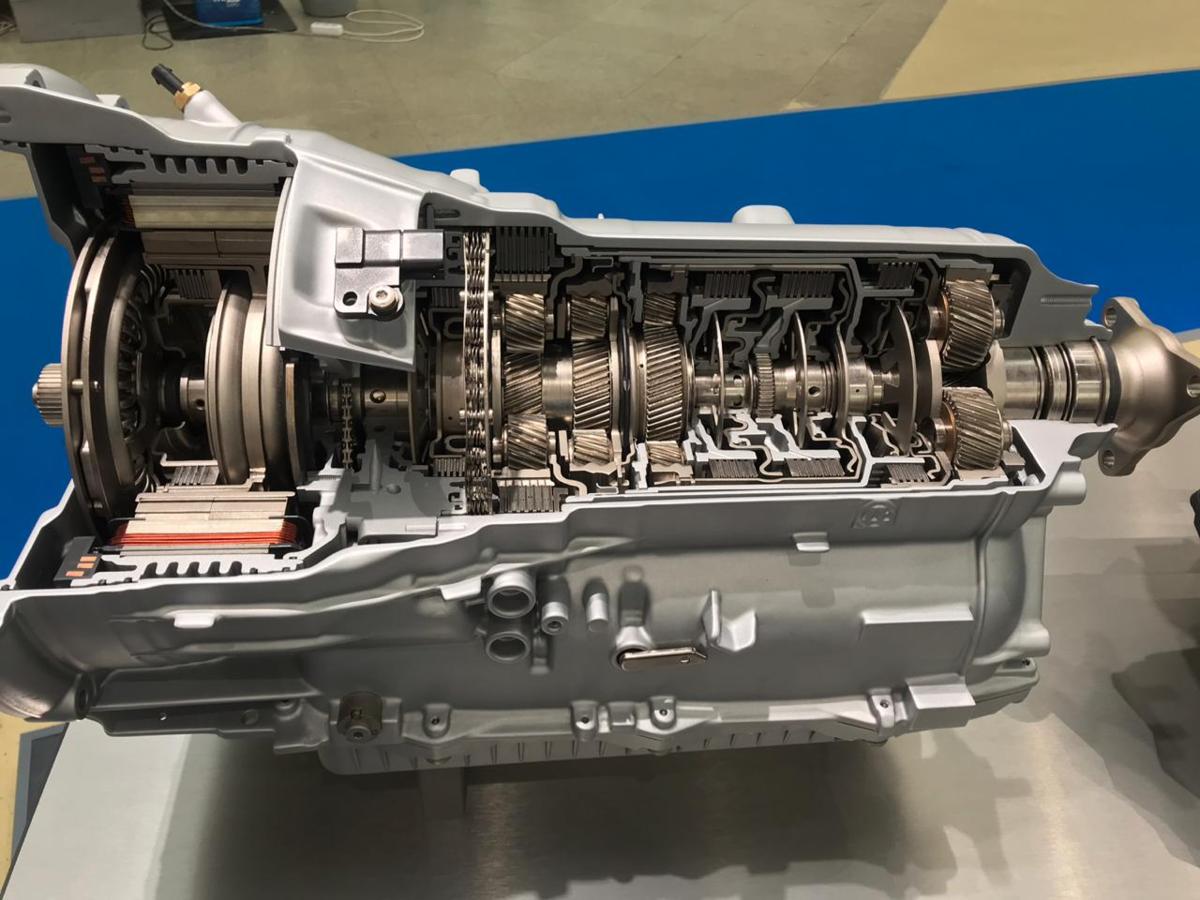
Engine Replacement and Adaptive Transmissions: What Buyers Must Know
Installing a new or remanufactured engine changes:
- Torque curves
- Throttle response
- Load characteristics
An adaptive transmission must relearn these inputs. Without that process, the system is operating on incorrect assumptions.
That’s why engine replacement with adaptive shift automatic transmission has become a growing search topic.
Choosing the Right System for Your Use Case
When a Standard Automatic Makes More Sense
- Fleet or commercial use
- Frequent engine servicing
- Long-term cost control
- Diagnostic transparency
When Adaptive Shift Is the Better Fit
- Long-term personal ownership
- Consistent driving patterns
- Comfort-focused driving
- Proper maintenance and calibration
Adaptive systems are not unreliable—but they are unforgiving when procedures are skipped.
Practical Buying Advice From Elite Crate Motors
Before purchasing an engine or transmission, buyers should ask:
- Will adaptive memory be reset and relearned?
- Is the engine fully compatible with the existing transmission logic?
- Who is responsible for post-installation calibration?
We consistently see better outcomes when buyers understand the system before parts are installed—not after symptoms appear.
Frequently Asked Questions
Is adaptive shift automatic transmission bad for longevity?
No — improper relearning is the real issue.
Can adaptive shift behavior be reset?
Yes, and it should be after repairs or replacements.
Does adaptive shifting affect towing?
Yes — calibration matters.
Will a new engine change adaptive shift behavior?
Absolutely.
Do all modern automatics use adaptive shifting?
Most do, but not all.
Final Verdict: The Difference That Actually Matters
The real difference between adaptive shift automatic transmission vs standard automatics isn’t technology—it’s expectation management.
Standard automatics reward simplicity and predictability.
Adaptive systems reward consistency and correct procedures.
Understanding that distinction is what separates smooth ownership from unnecessary expense—and it’s the difference informed buyers rely on when making powertrain decisions.
Next Post: Complete Crate Engine Swap Kit Explained: What You Get and Why It Saves You Thousands

